Former American Airlines Chief Commercial Officer is spending the next six months at United running the ‘Kinective Media’ program there.
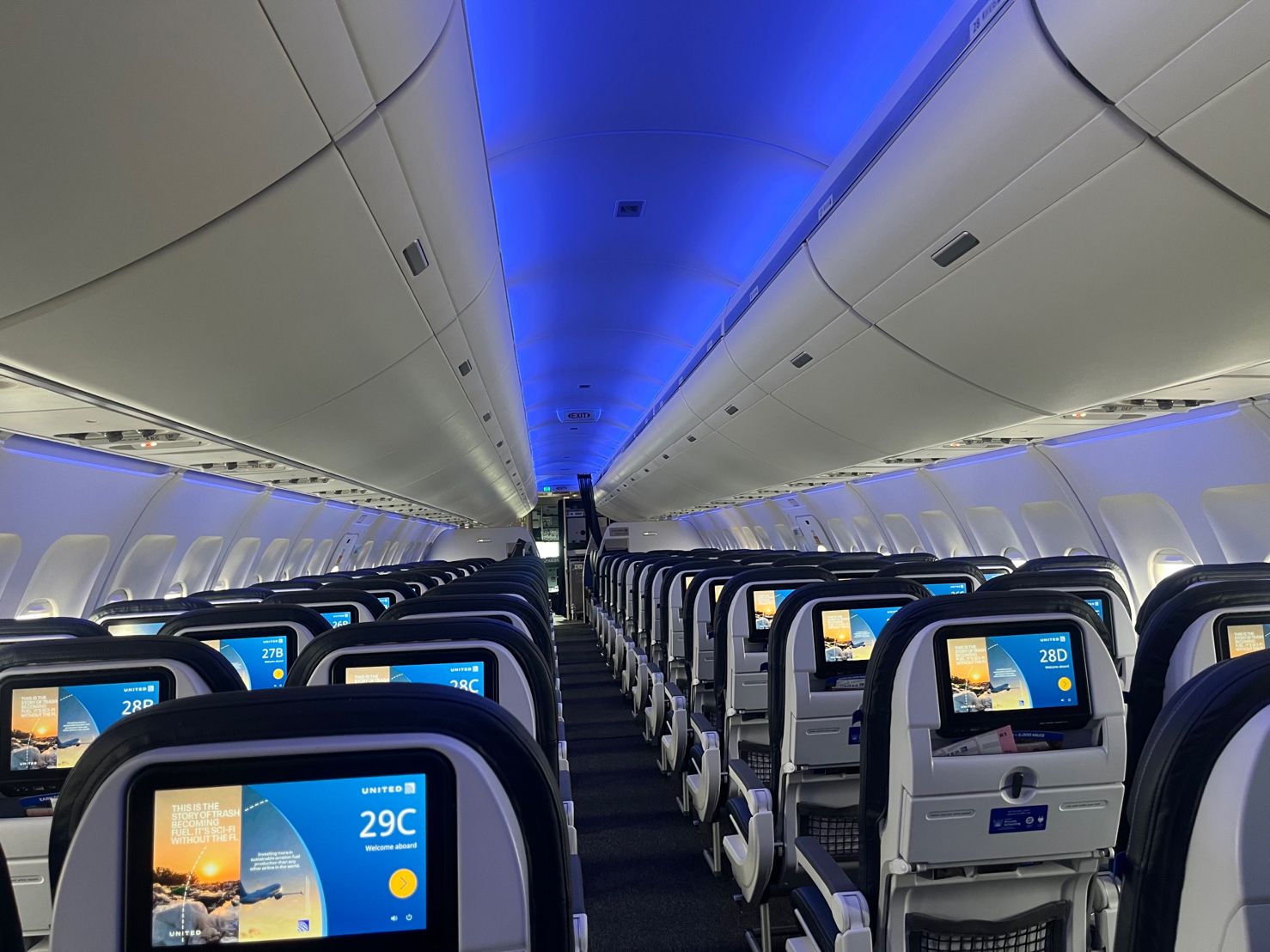
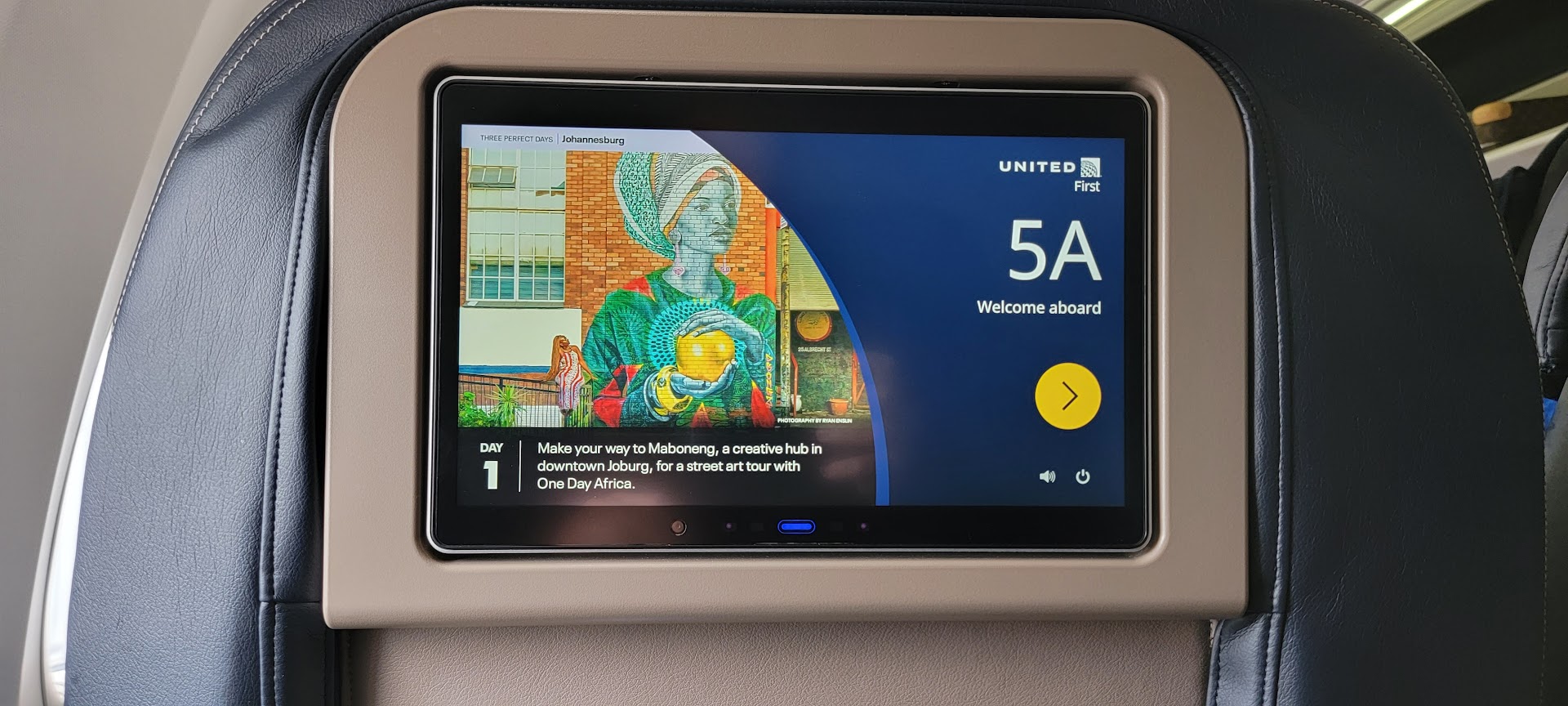
The head of United’s efforts to monetize eyeballs in the cabin through targeted advertising is out. United’s plan for seat back screens and high speed wifi wasn’t just about a premium customer experience, it was about driving revenue by bringing the right ads to the right high-end customers whose attention is at least partially captive for long periods of time.
This was supposed to be among the most effective, highest yield ad plays possible given the demographics of passengers and extreme amounts of information the airline has about its customers from MileagePlus and credit card transaction data. But it hasn’t worked out yet.
Raja has been out of the airline industry for more than a year and a half, so it’s natural to harken back to the controversial end of his tenure at American now that he’s publicly back working with an airline. But I have to take issue with this claim by One Mile at a Time,
Raja was fired from American, and was the architect of the strategy that… well, put American into the mess that it’s in right now.
Vasu Raja was the face of a distribution strategy that tried to move customers into direct booking, and tried to get agencies to use modern retailing technology that allowed sales of more than just tickets. It also backed away from high cost, high touch, discount deals with companies where the airline thought it would sell the same seats for more money elsewhere. But they used sticks more than carrots, and chased away business. I criticized it at the time.
This was top to bottom the Americn Airlines strategy, the strategy of the CEO and Board, but Raja was the one that fell on his sword as American’s financial returns continued to lag the industry. It’s also, though, very much not the reason American finds itself struggling relative to competitors.
American reversed its changes in distribution and it didn’t increase revenue. The airline has declared victory and moved on, saying that managed travel is back. They’re spending a lot on commissions and travel agency servicing now but they aren’t making more money.
When they cut off agencies that didn’t shift to direct sales from the lowest fares, that didn’t hurt managed business travel – it hurt American getting points redemptions through the Amex and Chase travel portals. Those are two of the biggest agency platforms in the world. That was a mistake that did cost them passengers.
The airline does need to move agencies to ‘new distribution capability’ – just selling tickets (low margin) and not selling ancillaries like seat assignments (high margin) isn’t a great business for American or something they want to be spending more on. And having the agency intermediate their relationship with customers, where they don’t even have passenger contact information, means they can’t take care of customers well when schedules change (angering their customers) and they can’t sell to those customers, sign them up for AAdvantage, or get them to apply for credit cards.
The overall drive to push to direct sales channels wasn’t wrong. But the timing pressure didn’t work, the technology was at times still too clunky, and they made strategic errors like cutting off bank points redemption channels that filled planes.
Raja was the face of the strategy but it’s bizarre that the CEO could throw him overboard and not take responsibility for it himself. It’s probably true that either Isom or Raja had to go! And it’s not surprising that Isom didn’t want it to be him.
In fact, what’s actually wrong with American Airlines dates back far longer than the distribution stratgy Raja led.
- American levered up the balance sheet to fund $12 billion in stock buy backs. That put them in a financial hole and increased their costs.
- They walked away from big markets like New York and Los Angeles – they didn’t have a competitive product, and these were competitive markets, but it meant they didn’t have relevance where customers spend the most money and charge volume on their credit card went from number one in the industry down to number three.
- They retired too many planes, deferred widebodies, and were left without aircraft to fully utilize gates in Chicago or to take advantage of the boom in European travel that was benefiting Delta and United. And they pulled premium seats out of planes, so they had high costs and not a ladder that could encourage customers to buy up and spend more money.
- CEO Robert Isom’s vision spent too many years explicitly focused on chasing Spirit and Frontier, getting the direction of the industry completely wrong.
Within that there’s a lot more that went wrong in the culture and with the product, but at a top level there was a long-term failure that gave them the wrong planes, the wrong hard and soft product, and bad relations with employees. They’ve finally realized that they need to be in the premium business because that’s what customers want and because with their high costs a downmarket strategy can’t be successful.
Reining in distribution costs wasn’t a bad idea, but fundamentally the shift that American tried – and went too far, too fast with considering the state of technology – was about direct merchandising to customers in order to increase revenue. They weren’t anti-travel agent as much as wanting to turn the agency channel into a higher revenue one – not just a high touch, high cost, low margin business.
The efforts did not work, but that’s only one of a small number of failures under American over the past dozen years. I often found myself disagreeing with Raja in his moves at American, from It became a scapegoat, but with Raja gone from American now for nearly two years it is no longer possible to pretend that the distribution strategy was the core of the airline’s problems. They reversed the strategy and failed to grow revenue.
The funny thing is that American’s JetBlue partnership (and Alaska partnership) was Raja. If the Biden administration hadn’t killed the JetBlue deal, American would be more competitive in New York and driving more lucrative card revenue. So things could have worked out very differently at American for both him and for the airline. It’ll be interesting to see what progress he can drive on efforts to monetize customer attention at United.
More From View from the Wing
Link da fonte