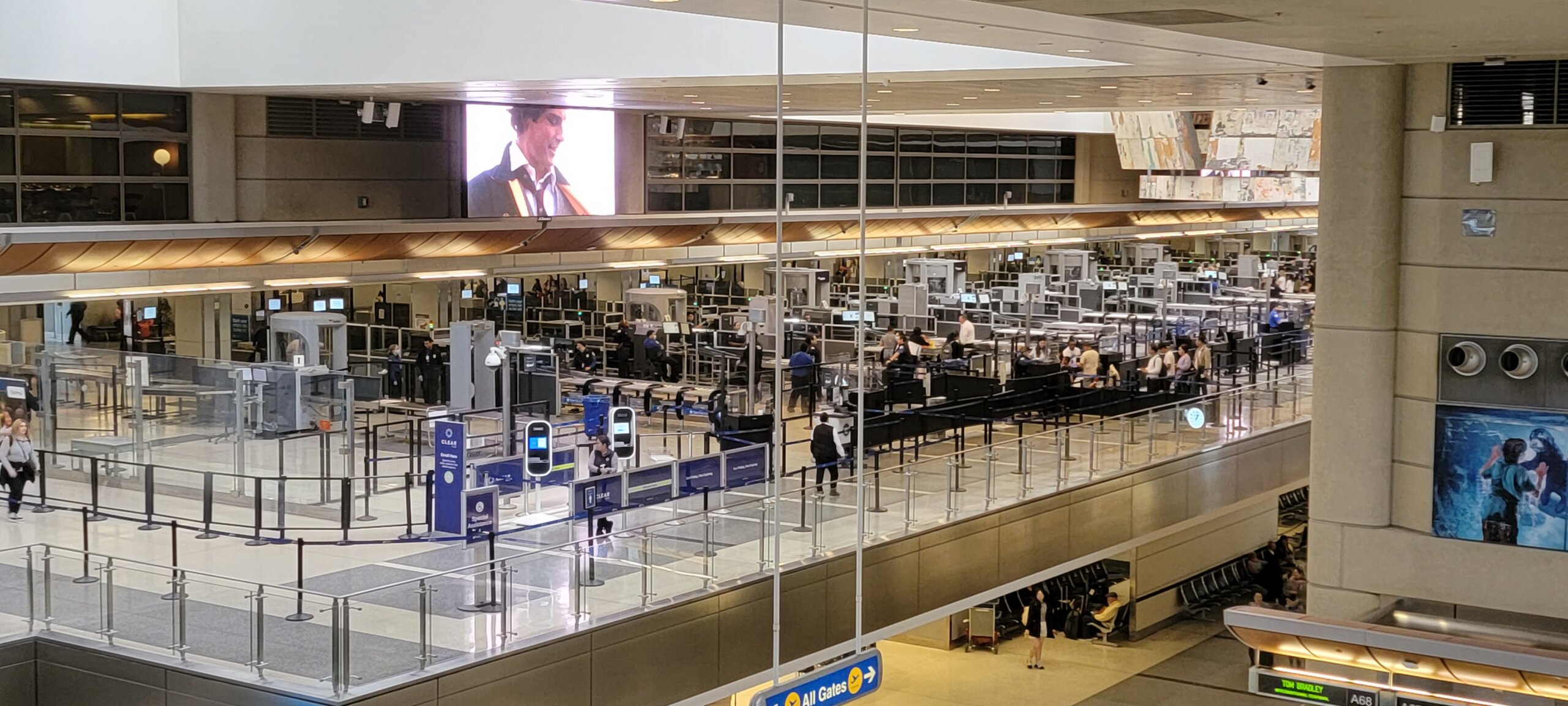
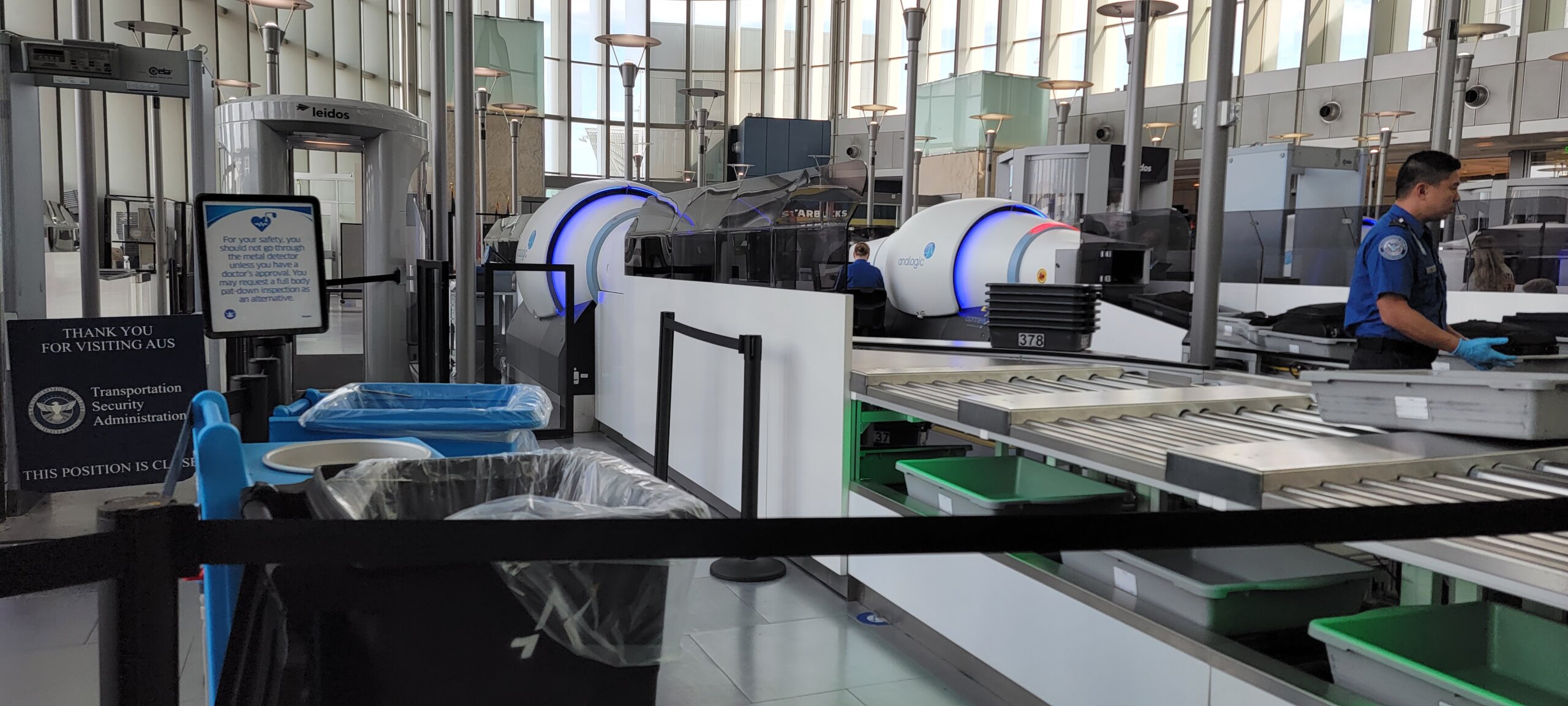


TSA is sending airline passenger lists to ICE multiple times a week. Every passenger gets screened for citizenship status, and this has been going on since March. U.S. immigration checks these lists against its own databases to identify people “subject to deportation and detention,” and then can send agents to airports. Everyone who flies is being checked, then people are being arrested and deported.
- TSA’s ‘Secure Flight’ prescreening program receives passenger identity and itinerary information from airlines to check against security watchlists. This was supposed to be a terrorism check for travel security.
- The “ICE matching” program repurposes an existing security screening program into an immigration-enforcement one.
This is a bulk surveillance effort dressed up as “targeting.” The input is everyone who flies. It’s not targeted. We’re all being checked, and the government hasn’t disclosed how many arrests it even yields for this.
To be sure, sharing airline passenger data between government agencies has already been happening. For its stated mission, data was transmitted with the Terrorist Screening Center for identity matching. And mission-creep extended this to certain law enforcement agencies for investigation and enforcement, and to public health authorities for communicable disease.
The name matching system is heavily error-prone, and the correction mechanism is weak. TSA owns the pipeline, airlines originate much of the data, ICE acts on the match, and travelers don’t have a place to go for error correction due to bureaucratic ping poing (especially when it’s politically convenient to emphasize arrests and downplay false positives).
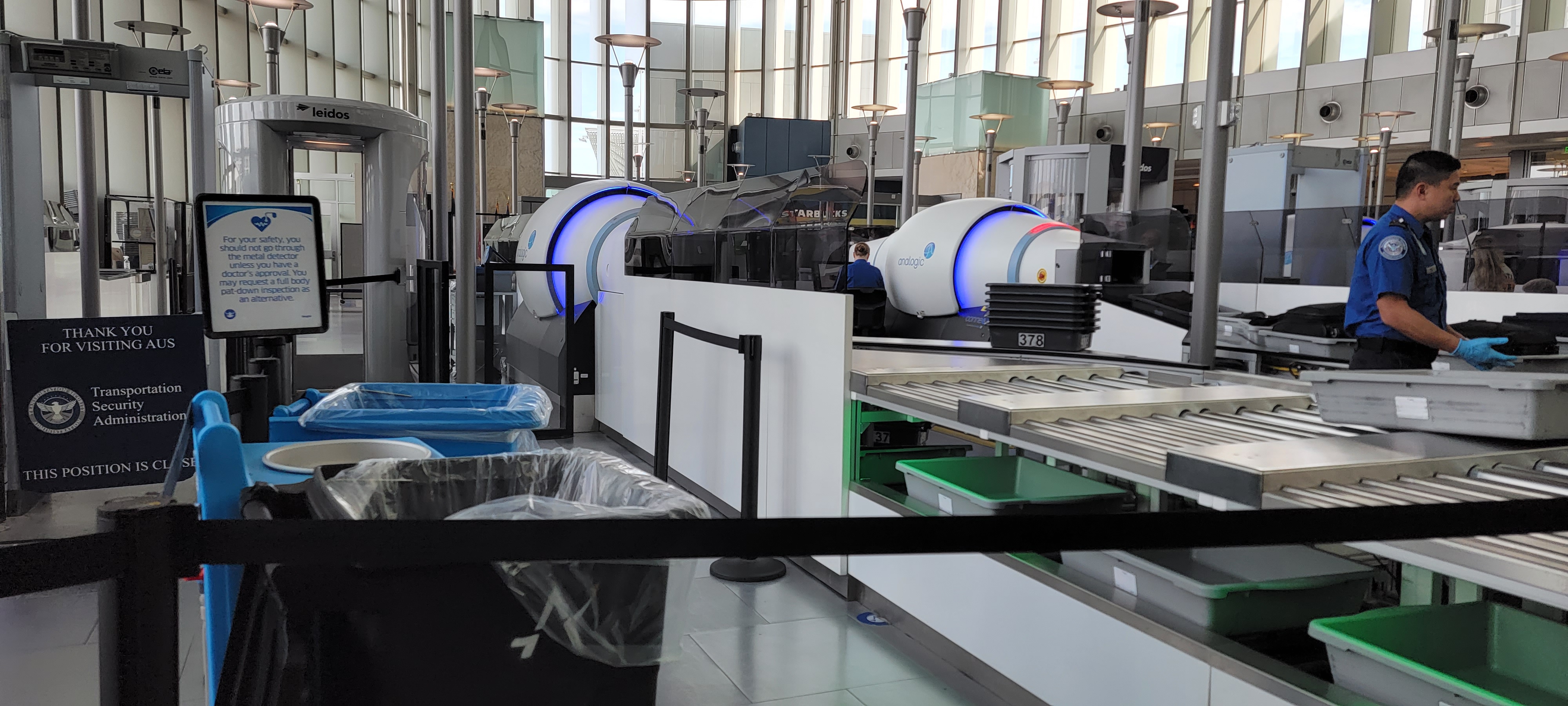
And airports are a terrible place to debug identity disputes (detention first, sort later). At least Secure Flight has an opaque redress path, while the ICE process has no obvious traveler-focused, time-sensitive redress process. And it turns movement into a compliance lever.
Airport travel is becomes a choke point for detentions – no longer just transportation, but a compliance checkpoint for civil enforcement, re-engineering mobility into an enforcement tool. It seems like what logically follows is:
- Bulk data feed becomes normal
- Pressure to expand fields (to increase match quality and reduce embarrassment). “Names only” generates false positives. The obvious “fix” is to include more identifiers in data sharing.
- Then move to biometric.
- And expand sharing to more agencies. That means warrants and probation/parole sweeps, child support enforcement, tax debt collections, protest policing and “extremism” watchlists.
There slippery slope here isn’t today it’s immigrants, tomorrow it’s everyone for anything. It’s the sequence of building and sharing the travel roster, beefing it up to become more robust, and using it for more purposes. That’s a shift from the aviation security purpose to domestic movement screening.
Supporters would say that if someone has a valid final removal order, catching them at an airport is operationally efficient and avoids long fugitive searches. TSA already receives passenger information for security screening, this is just using existing data against people committing crimes.
One Mile at a Time expresses concern but says “I have to be balanced. We live in a democracy, and not in my imaginary dream world. Trump promised the largest mass deportation in history, and that’s what we’re getting.” No. This is bad. And even if deportations is your goal, this is a terrible way to do it.
What’s happening here is searching everyone to find targets, rather than focusing on targets. If you really do prioritize enforcement here, a better way to do it – instead of sharing a full travel roster – is
- ICE submits a narrowly scoped list
- TSA returns “hit/no-hit”
- Build in robust protections for accuracy. Require multi-factor match and human review before any airport action (minimize name-only errors). Publish auditing metrics: false positives, true positives, detentions, outcomes.
- Impose hard limits on use, prohibiting secondary purposes and any not authorized in statute.
- Keep enforcement out of checkpoints, to avoid distraction from aviation security purposes.
Turning aviation security into a catch-all monitoring system, and airports into law enforcement checkpoints, seems bad for both the real purpose of TSA and for civil liberties.
More From View from the Wing
Link da fonte