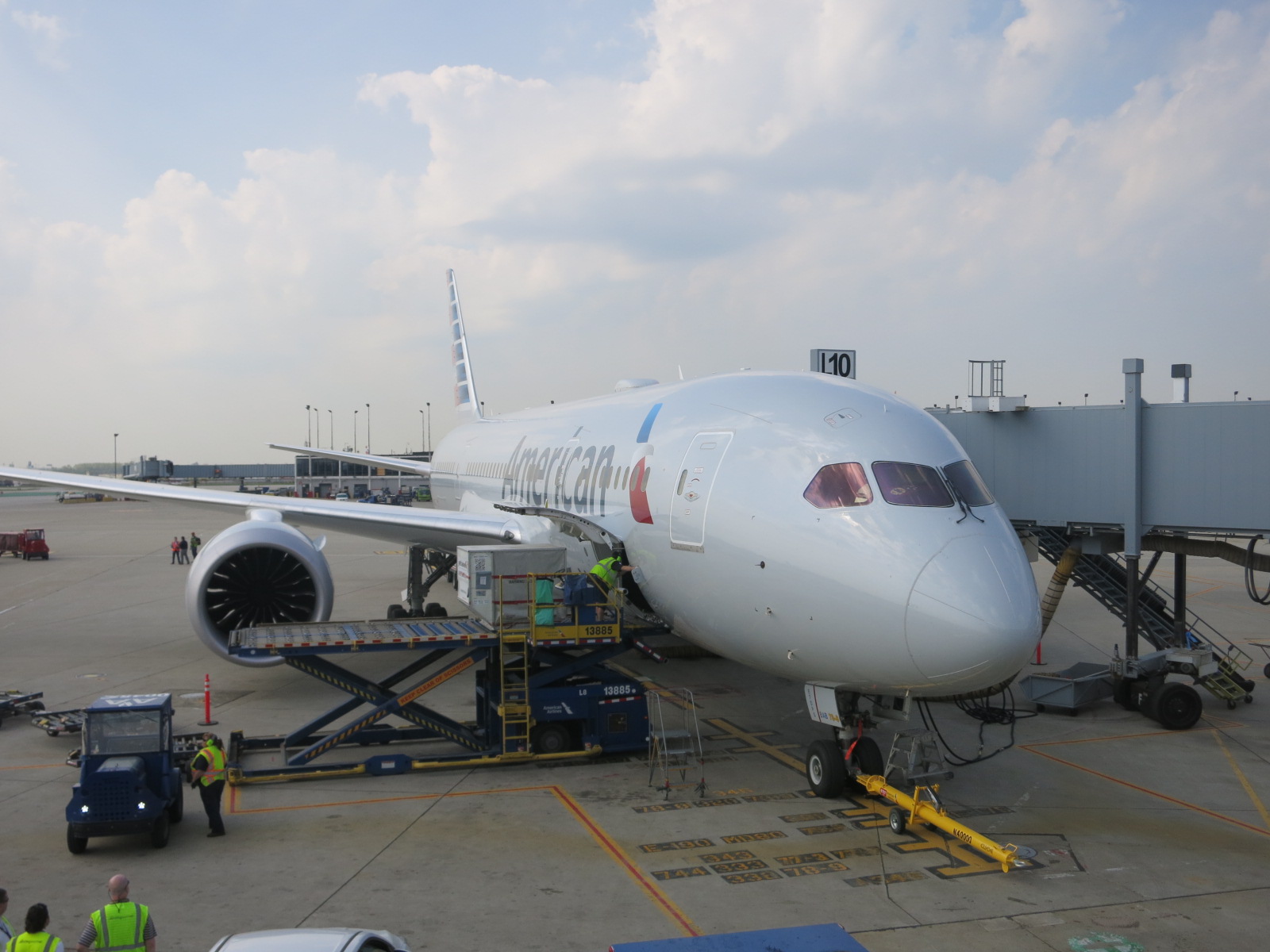
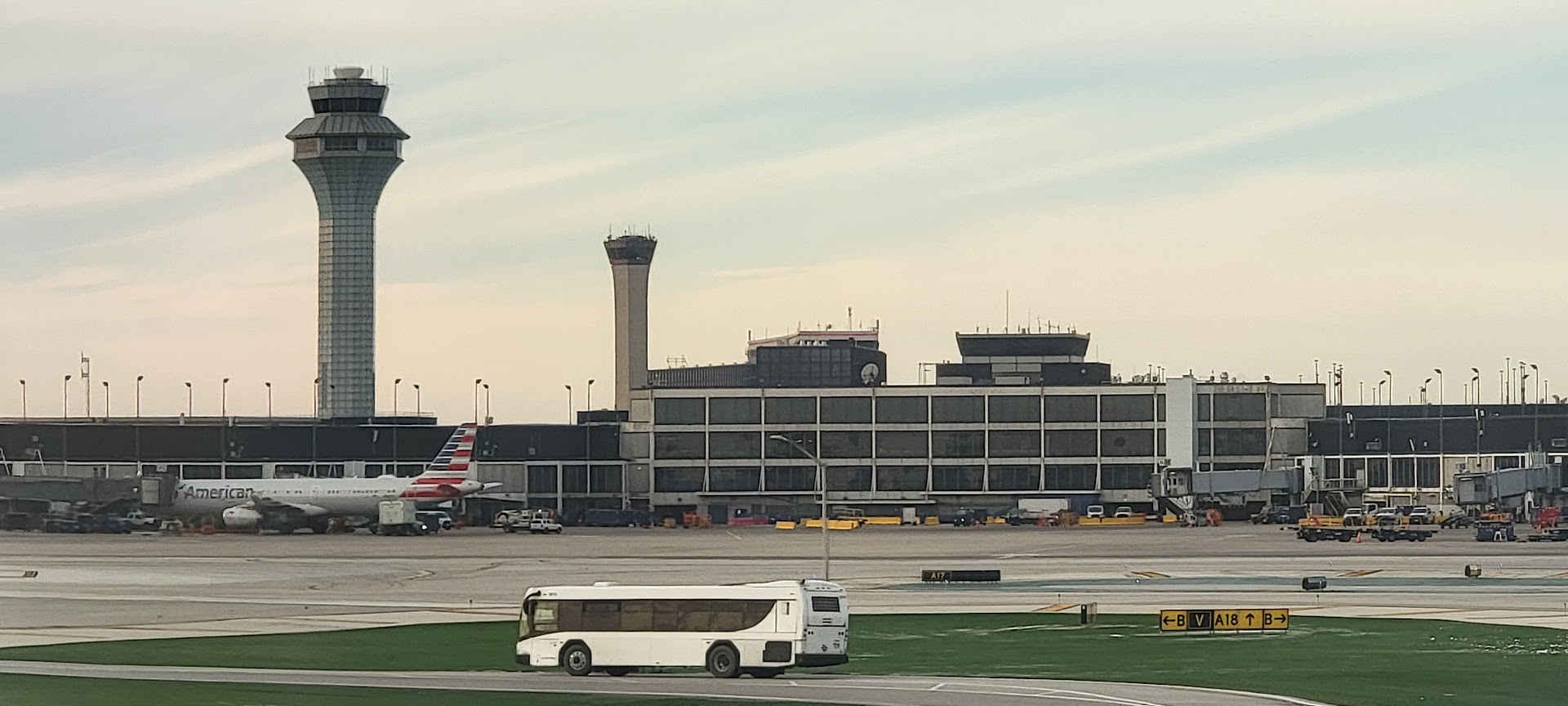
Internal slides leaked from United Airlines reveal its aggressive strategy to dominate Chicago O’Hare, as their leadership openly mocks American’s hub there as “temporary” underscoring how American’s strategic missteps have cost hundreds of millions in losses.
American Airlines and United are locked in a major battle at Chicago O’Hare. Both are growing capacity significantly, with American finally building back its schedule to pre-Covid levels and its larger rival at the airport offering a larger schedule than ever before.
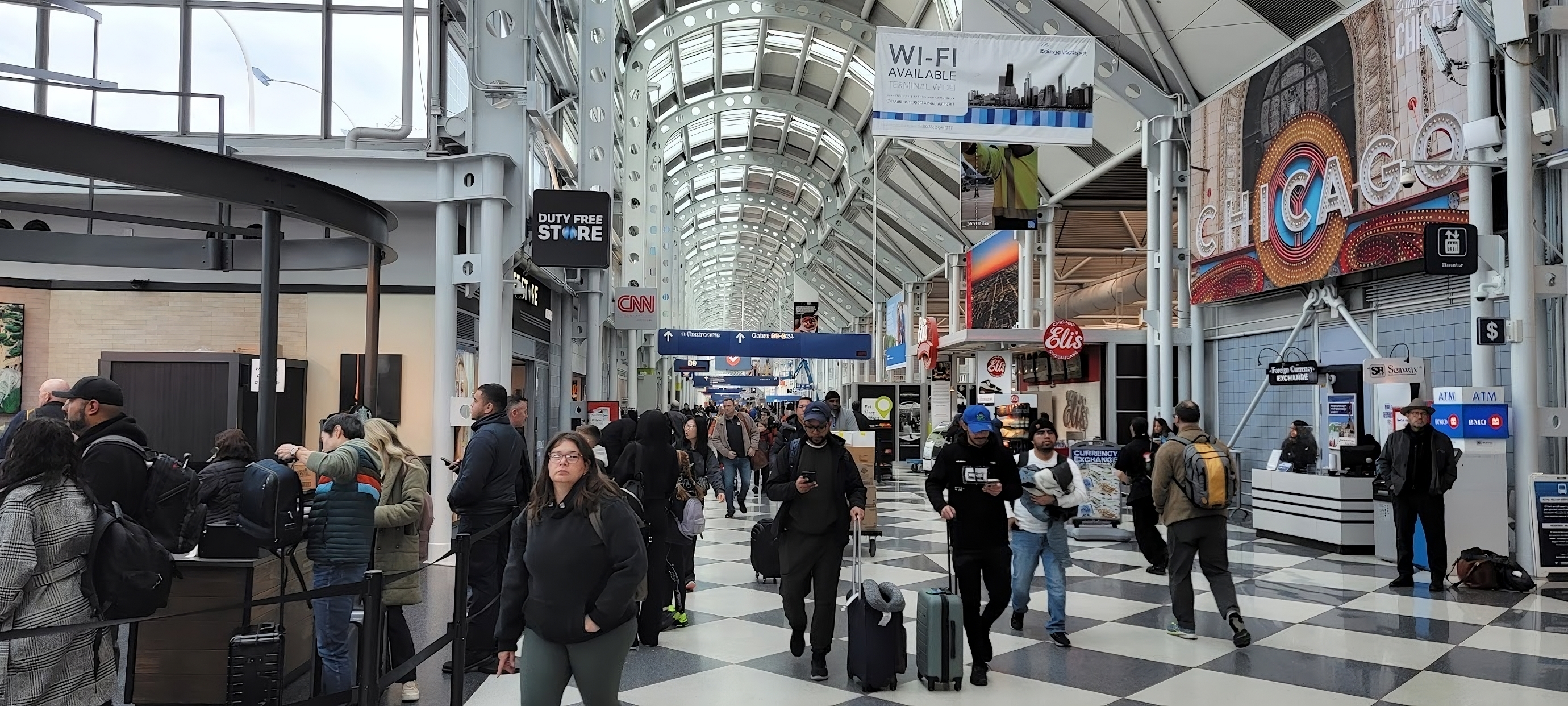
United wants to drive out American, protect the gates its gotten because of its relative growth, and consolidate its position. That’s great for flyers in the meantime, since they’ll have more options and lower fares. But it’s also a classic antitrust dumping situation, where their goal is driving out a competitor in order to raise prices later.
On Wednesday United’s CFO talked about American’s O’Hare hub as “temporary.” Meanwhile, aviation watchdog JonNYC drops a set of internal slides that United shared with employees showing how the carrier has gained at American’s expense in the city.
Ten years ago, United says, American served more Chicago customers than they did. However United has taken a big lead since the pandemic. And they claim they’re making money at O’Hare, while American is losing money.
Stop stop he’s already dead pic.twitter.com/20i9gpptkb
— JonNYC (@xJonNYC) February 19, 2026
— JonNYC (@xJonNYC) February 19, 2026
“Stop, stop! He’s already dead!” comes from The Simpsons Season 8, Episode 14: “The Itchy & Scratchy & Poochie Show” (1997). Scratchy is being brutally and repeatedly hurt, and a little boy in the audience starts crying out: “Stop, stop! He’s already dead!”
The harm is depicted with cartoonish excess, while the kid reacts like it’s real. It’s become a meme where a person or company is clearly losing and everyone keeps piling on, so that the criticism becomes repetitive and gratuitous.
Last year United CEO Scott Kirby claimed American was losing $800 million a year at O’Hare while they now say American lost $511 million in 2025.
In truth, this has a lot to do with how costs get allocated and how revenue – especially from cobrand credit card customers – gets allocated. When you attribute Chicago-based cardmember spend to Chicago flights (rather than spreading them out evenly across the system) American’s numbers look better, though Chicago still underperforms – and it underperforms for exactlly the reasons that these charts suggest.
By ignoring Chicago, American has become less relevant to Chicago customers, and no longer earns as much of their spend (this is part of why American’s co-brand has fallen from number one in charge volume a decade ago among airlines down to number three).
Some of what United offers is a bit misleading or lacking in context, though.
- United seats per departure were quite low at the start of the timeline in the charts under then-CEO Jeff Smisek (and, ironically, partly attributable to American’s current network chief who was VP of Network at United back then). They had downguaged domestic flying across the board, and reversing this was a primary element of the strategy Kirby outlined when he went to United. That wasn’t a Chicago-specific thing.
- Meanwhile, United’s seats per departure are also much greater because they’re much more heavily international.
American’s failure to restore Chicago is primarily a function of retiring too many planes during the pandemic. They retired their Boeing 757s and 767s, Airbus A330s, and Embraer E190s. (They also deferred delivery of Boeing 787-9s.) This kept them from taking advantage of the boom in travel to Europe. But it also prevented rebuilding their Chicago schedules.
American Airlines is behind at O’Hare because United has pursued a growth strategy broadly, while American overconstrained itself and could not grow (and has shied away from flying where they’ve had to compete). That cost American profits from its co-brand credit card. They’ve been less relevant to customers in Chicago, Los Angeles and New York – incredibly important markets for card spend.
United’s strategy for Chicago is an interesting one:
- They’re far more profitable than American, because of past blunders by American
- So they’re in a much better position to add capacity at O’Hare that loses money, but also bleeds American
- Meanwhile they trash talk American’s decision to build back at O’Hare to financial analysts, creating pressure of American to walk away.
- Their bet is they can put enough pressure on American to keep them from regaining scale, even though for American this is their best path to profits with their credit card (and selling miles to Citi is the primary source of profits).
American has to get back to scale in Chicago. Their position is too valuable – based on recent gate sales by Spirit, each gate could be worth $15 million, and Chicago’s spend market is a huge driver for credit card deals. American actually understands this and laid it out for employees last month.
But if United convinces analysts that American’s growth there burns too much cash – if they can force American to burn cash – then Wall Street could pressure American to back off.
All of this is American’s fault, due to past strategic blunders. The question is whether they’ll have the space to reverse those choices.
More From View from the Wing
Link da fonte