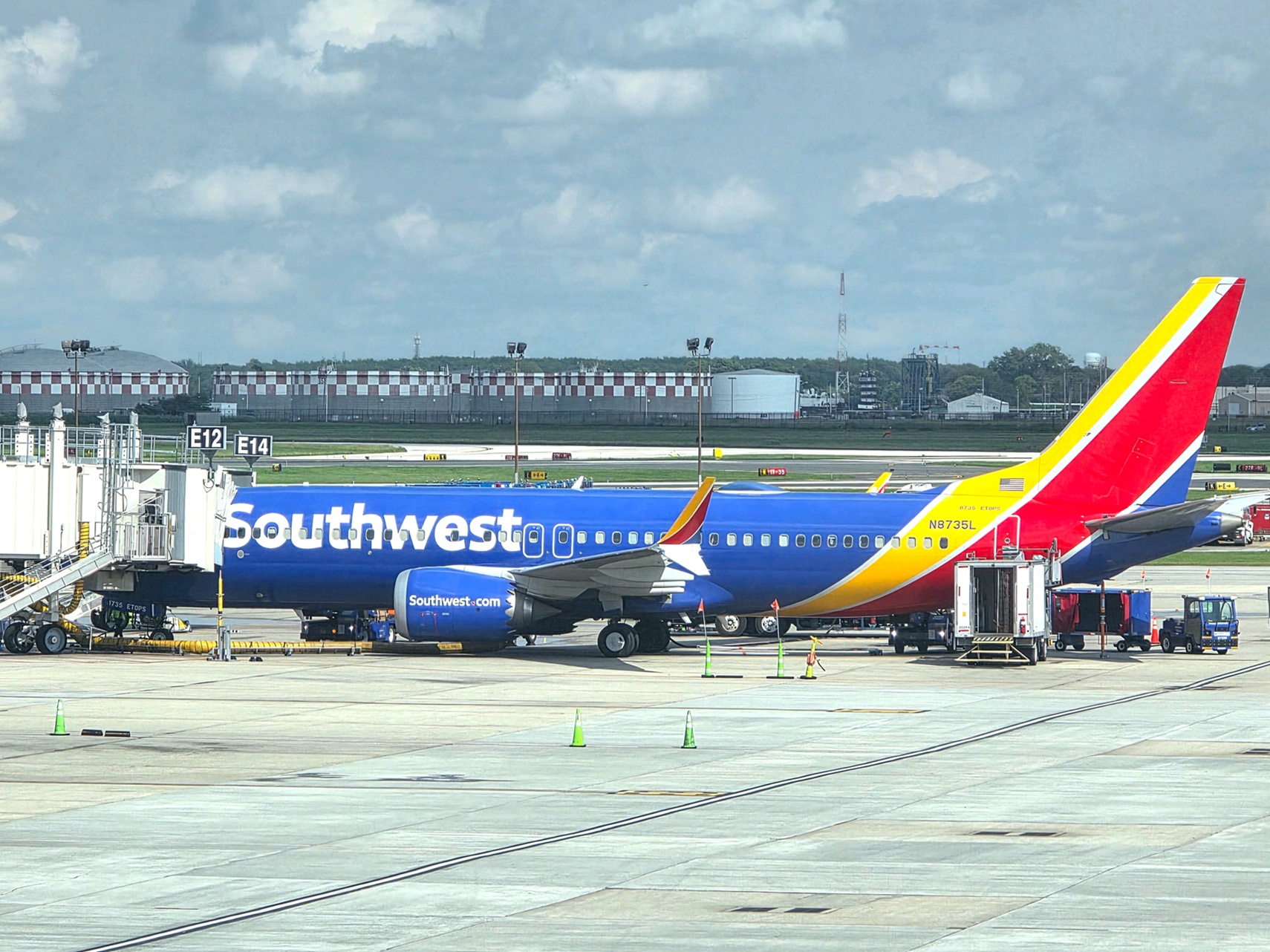

A Fifth Circuit judge literally laughed when the TSA insisted it isn’t equipped to refund the 9/11 security fee to millions of travelers—while defending a $48 million penalty against Southwest for allegedly failing to refund that same fee. The fight boils down to a simple question: when a passenger cancels and never flies, who has to send the money back—an airline, or the government that collected the fee?
Índice
Here’s How Southwest Has Been Harming Passengers
TSA says Southwest collected the September 11th Security Fee from passengers who later canceled their trips and received a travel credit. Some of those credits expired unused, and Southwest kept the money. But the law requires a cash refund of the security fee for unused trips.
The agency conducted two audits of Southwest covering 2015 – 2019, back when Southwest credits used to expire (before becoming non-expiring, and now under the new anti-consumer Southwest they expire again). They calculated approximately $48 million in refunds and penalties due.
49 U.S.C. § 44940 authorizes TSA’s passenger security fee and includes a provision that TSA may refund fees paid by mistake or paid in excess of what was required. And 49 CFR 1510 specifies that airlines impose and collect up to $5.60 per one-way and $11.20 per round trip.
If the passenger changes the itinerary, that’s “subject to … refund of the security service fee” as appropriate. This isn’t the airline’s money, they’re fees collected “in trust” for the government. When a passenger cancels and never flies, the security fee is not “due” so it must be returned to the passenger.
Southwest Says They Don’t Have To Give Passengers The Money
The airline argues that by giving a travel credit, the “refund already happened.” At oral argument they suggest that federal law doesn’t impose an extra, second-step obligation to cut a check later just because the passenger let the credit expire.
They argue that it’s TSA that should be doing any refunds. It’s a federal fee that airlines collect for TSA. The statute says TSA ‘may’ refund amounts paid by mistake or in excess. If the fee isn’t properly owed once travel never occurs, then what exists is essentially an overpayment, and the government has refund authority. They shouldn’t be punishing an airline for not running a national refund program for the government’s fee.
The government argues airlines are supposed to refund passengers and then offset those refunds against later remittances to TSA.
The Judge Laughs At TSA
TSA’s lawyer defended the agency’s position by effectively saying: TSA isn’t built to cut refunds directly to “millions of passengers” even though TSA is pursuing a $48 million penalty because Southwest should have done that exact same thing.
One of the Fifth Circuit judges immediately and audibly laughed, because the government’s stance sounds like: “We can’t do this at scale, but we’re fining you for not doing it either.”
Ultimately this affects how a court evaluates the fairness of the agency’s stance. If TSA says passengers are entitled to refunds, TSA won’t do them, so they’ll penalize airlines who don’t do it fir us that can look like an agency using enforcement to conscript private parties into administering a federal refund program. Of course it’s the airlines who collected the money from customers, who have the relationship with customers, and the contact details of whom is owed, and who hold funds due to the agency.
There’s More Than Just $48 Million At Stake
This isn’t just the $48 million that TSA is assessing against Southwest – it’s the precedent that expired credits mean a cash-refund obligation for airlines. That affects the whole airline industry. This matters to customers for whether they can expect real money back for the TSA fee when they cancel.
The Fifth Circuit oral argument of Southwest Airlines v. TSA argued on Thursday is available online.
More From View from the Wing
Link da fonte