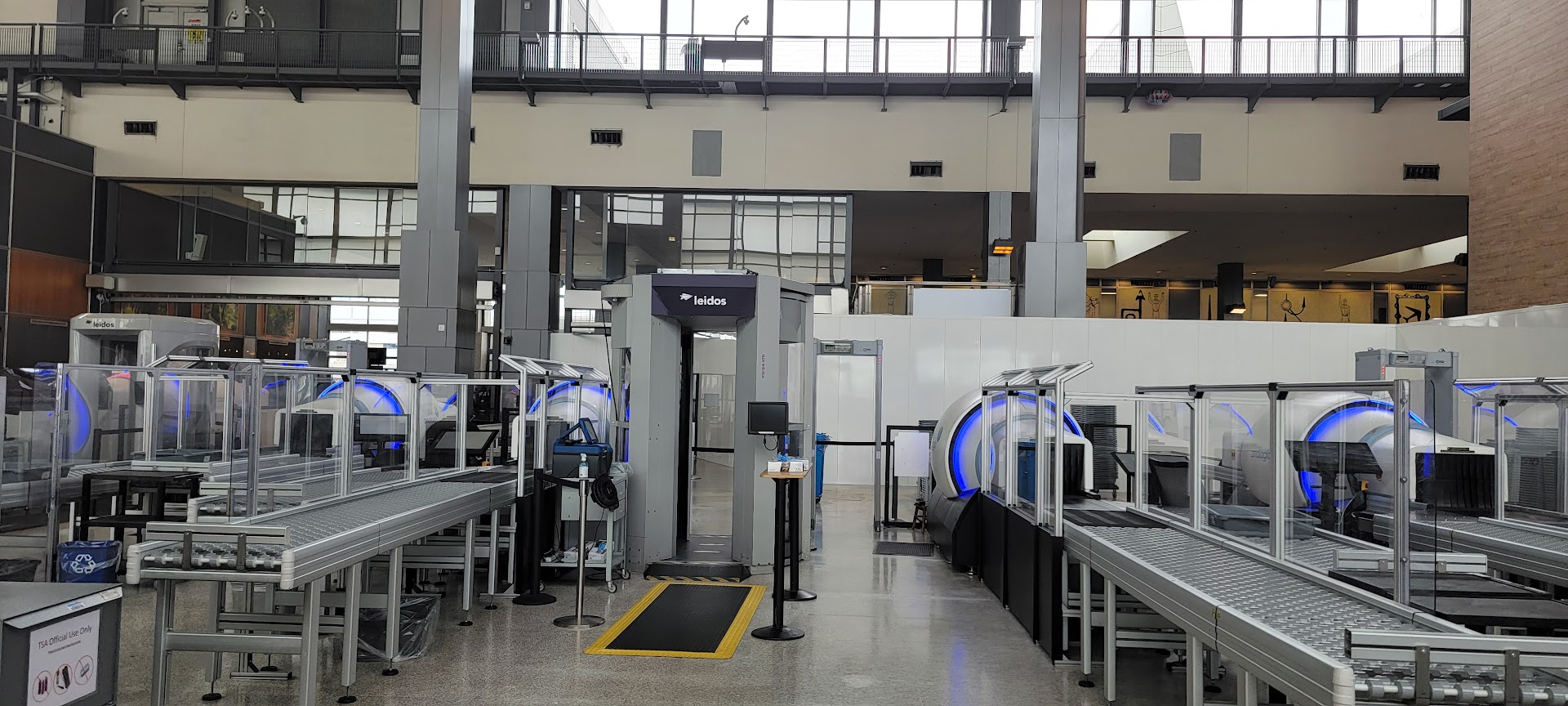
JetBlue’s CEO says New York LaGuardia is now simply too expensive to operate from after the airport’s stunning rebuild—an admission that should worry anyone who cares about cheap fares and real competition.
The problem isn’t that airports are getting nicer; it’s that America builds infrastructure slowly and at enormous cost, then forces airlines to absorb it through higher per-passenger fees that low fare carriers can’t make work. That makes air travel much less affordable, and much less competitive.
CEO Joanna Geraghty had choice words for New York LaGuardia, saying it’s now simply too expensive for her airline to fly from. Although much of the reason for the decline
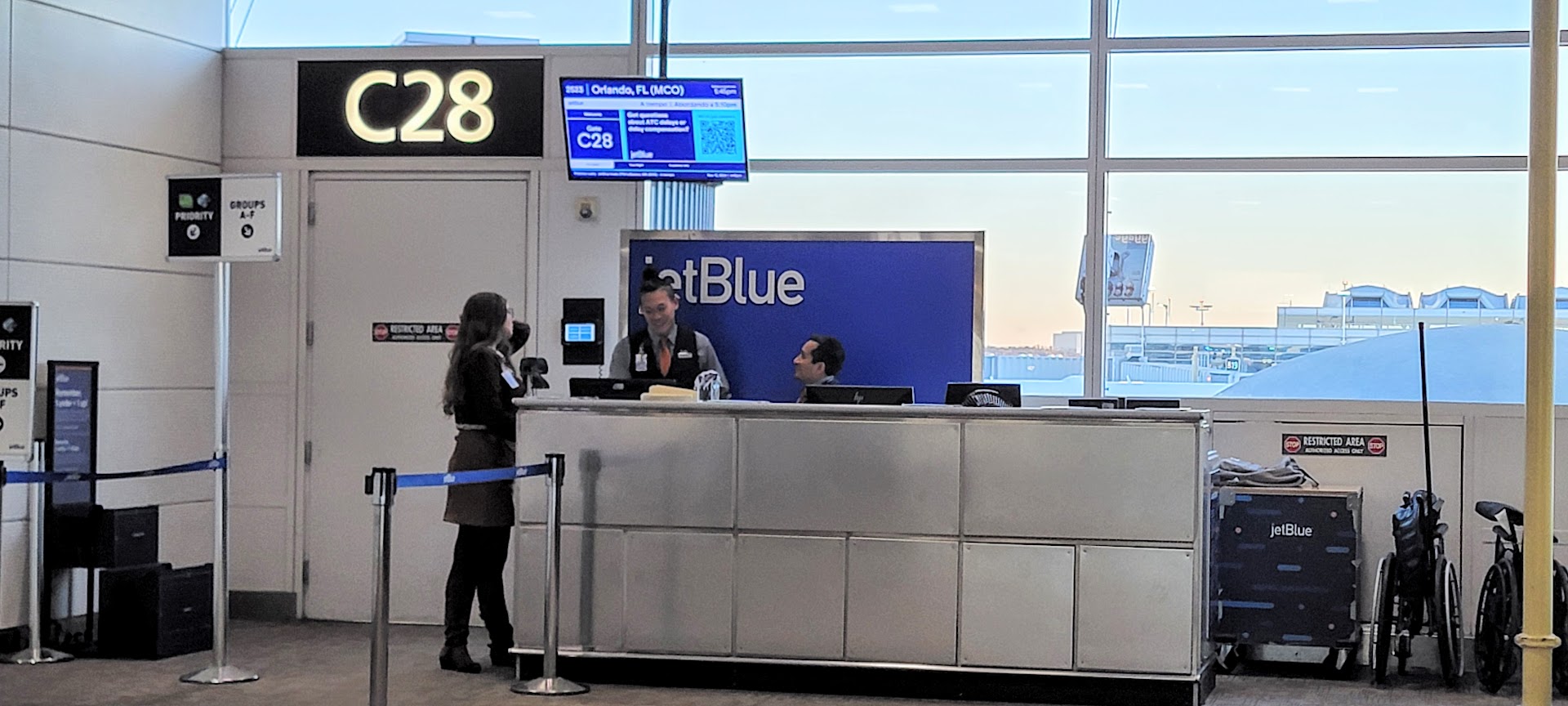
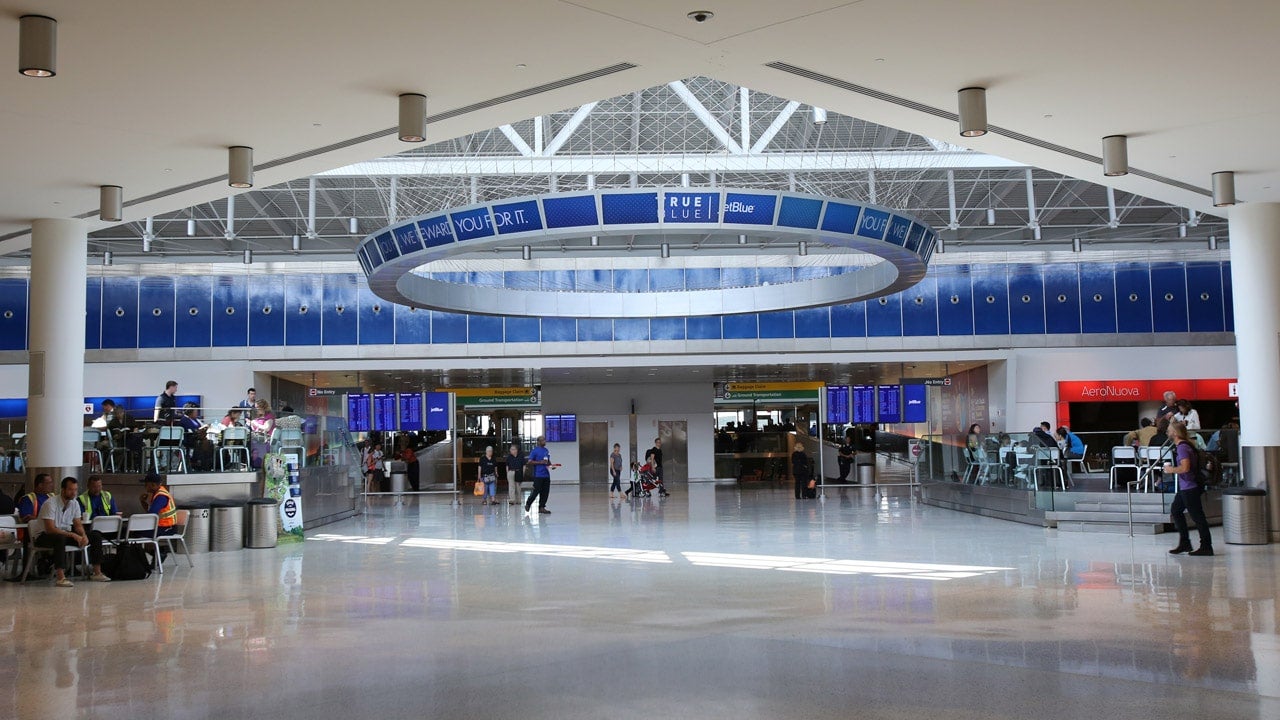
Everybody loves big, beautiful terminals. I mean, LaGuardia, it’s amazing. If you fly out of LaGuardia, it’s beautiful. It is incredibly expensive to operate out of LaGuardia, so much so that we had 50 flights at one point, and we have 13 now.
The decline of JetBlue service at LaGuardia is mostly about losing their partnership with American Airlines. LaGuardia flights are limited by slots, and JetBlue was operating American Airlines slots! The portfolio they do have was cobbled together in part with the assistance of government (such as obtaining remedy slots when US Airways sold most of its LaGuardia operation to Delta).
Meanwhile she complains about Newark costs. Those high costs at Newark service to protect her new partner United from low cost competition there. Ulta-low cost carriers have a hard time making New York airports work because when your cost per emplanement is $50, you can’t sell $99 fares and make money.
Newark. Newark is now the most expensive airport in the JetBlue system. London Heathrow is second. So while they are more Terminal A in Newark, which is the new terminal.
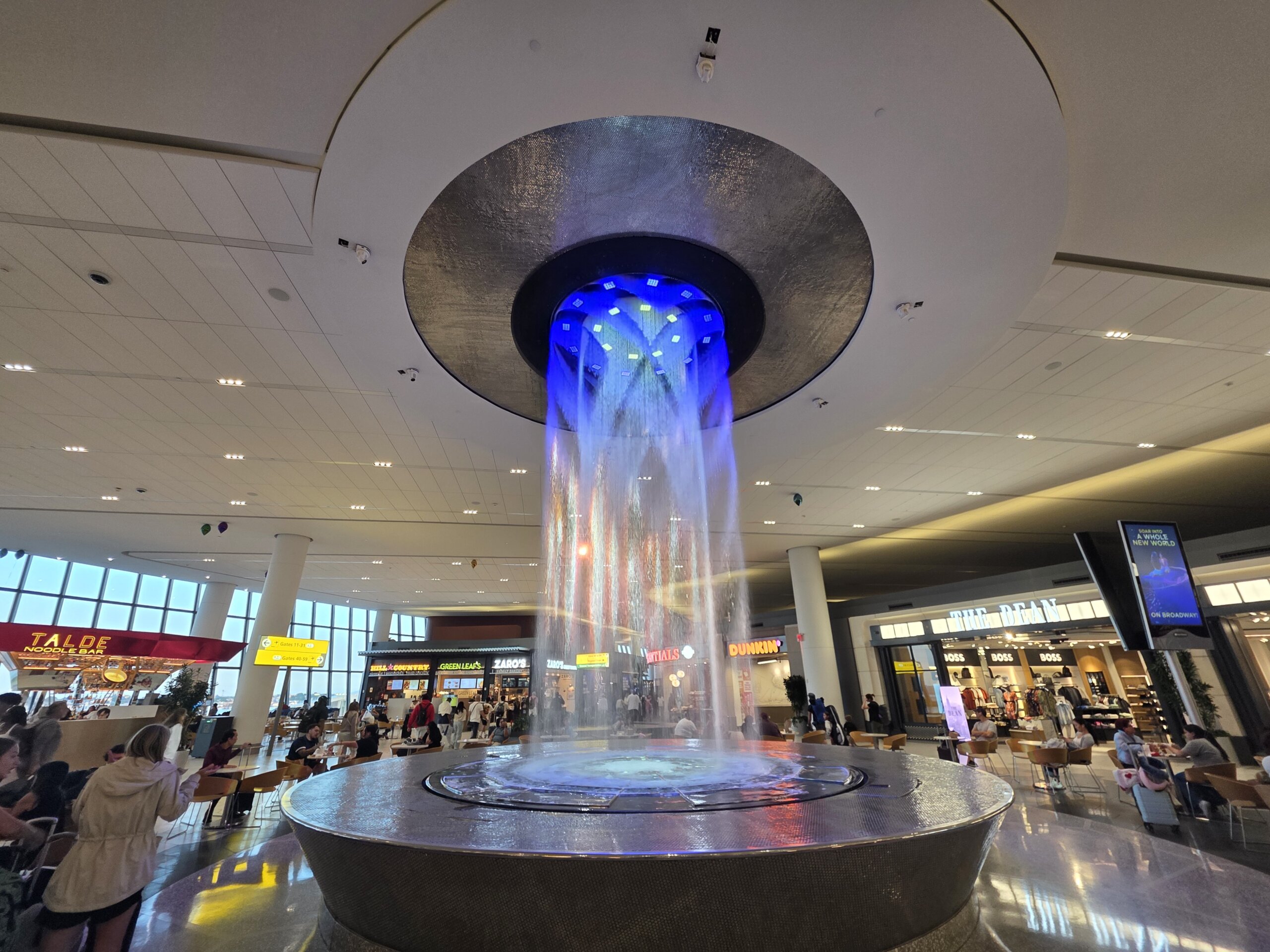
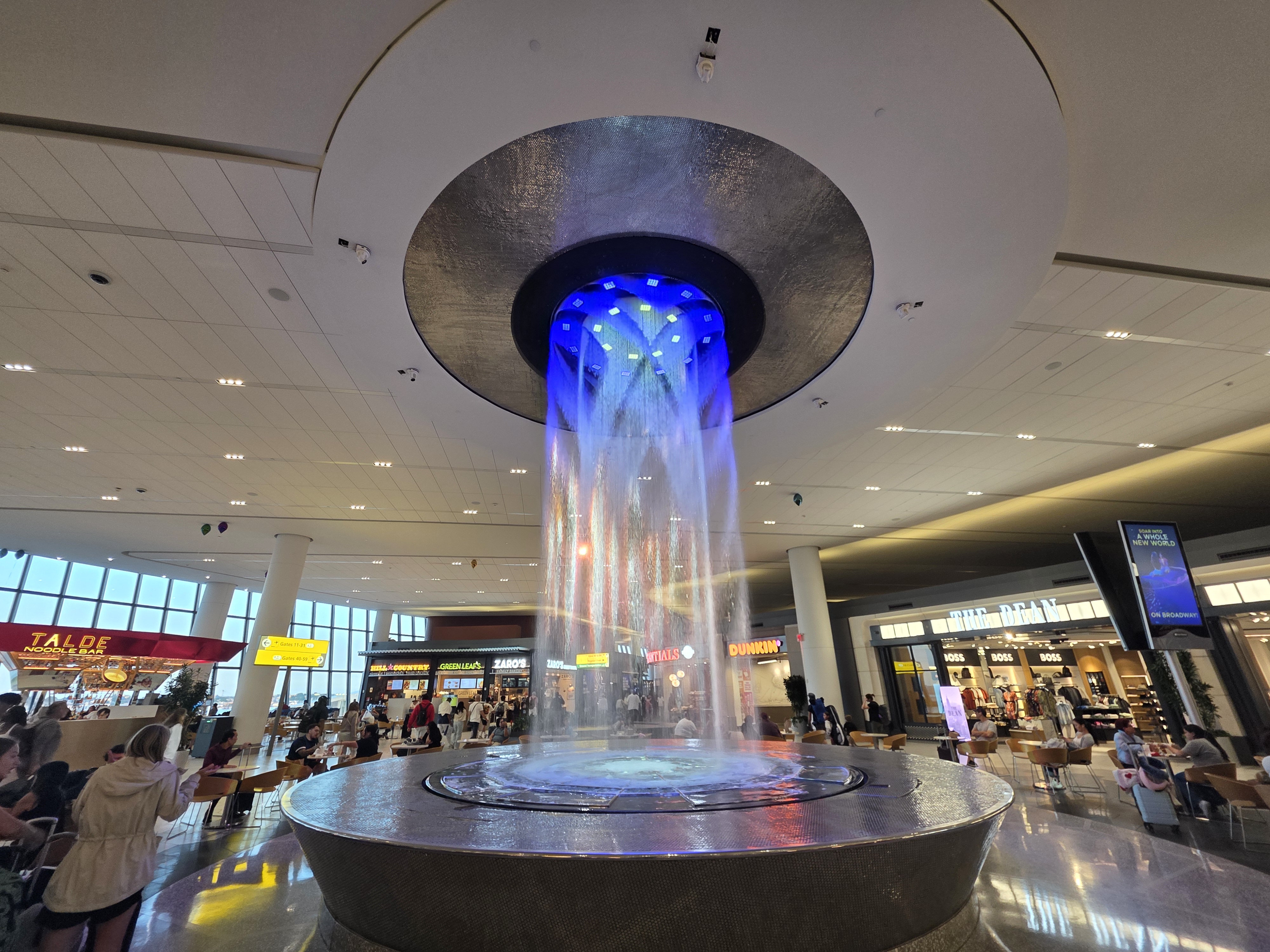
So while the customer experience is amazing and concessions are great and whatnot, when the cost of operating an airport become too expensive, it puts a ton of pressure on the airline. Because as much as I would love to pass those costs on to all of you as a customer, there’s 0.0 chance you’re going to take an incremental, I don’t know, $30 fee on your ticket because you get to see a water fountain and you have a slightly better restaurant. …That’s a generic water fountain comment, by the way.
That comment about a water fountain was another complaint about New York LaGuardia, by the way.
What struck me odd was this idea she has that low cost hubs elsewhere make it okay to have high cost hubs in the Northeast, but that JetBlue doesn’t have those (except she talks about having one at Fort Lauderdale).
We don’t have large hub operations in cities that are in the middle of the country or down south that can offset the more significant costs in the Northeast.
That’s simply not how the economics works. Airlines don’t make money in ‘the middle of the country or down south’ and are therefore fine losing money in the Northeast. Either they make money in the Northeast or it doesn’t make sense to serve those markets.
JetBlue CEO explains how high NYC airport costs have prevented non legacy carriers from growing there
by
u/vman3241 in
jetblue
The point about high airport costs being a problem is real. It’s why frontier can’t make New York work. Ironically, this actually helps JetBlue! But high cost airports really only work with: (1) very high revenue premiums, or (2) big credit card deals.
Geraghty has argued that she can’t get premium credit card revenue because JetBlue is small. It doesn’t fly everywhere. But that’s also a choice. And they have partnerships. American Airlines has almost no footprint to Asia, and take out summer seasonal flying and London Heathrow there’s surprisingly little to Europe even – they rely on partners. So what’s different?
JetBlue has historically chosen not to have a competitive frequent flyer program, and not to have robust partnerships until recently. That was a mistake. It meant they weren’t attracting card spend in the most important spend market in the country, even though being based in New York they have more of an opportunity than most.
Historically, JetBlue hasn’t had an offering that’s attractive to card customers, and therefore they haven’t attracted the kind fo spend that other airlines can. That’s not about size: Alaska Airlines has been similar-sized to JetBlue but card revenue has been more significant for them for decades!
She complains about her situation, how it’s not fair and how JetBlue is small because she wants something. Her framing at the Skift Aviation Forum in December was that because JetBlue is a smaller airline, “the government needs to pay attention and start looking for opportunities to kind of talk things our way in areas that they can.” But JetBlue has been flying for 26 years. They’re not a new market entrant!
[O]ur ask of airport authorities and others is to recognize that sometimes you do have to put your finger on the scale for the small guy, because if you don’t, then they can’t succeed.
What airline was given the assets that JetBlue was by the government? They were literally handed a portfolio of slots at New York JFK with the assistance of Senator Chuck Schumer.
The government shouldn’t have blocked their Spirit Airlines acquisition (but they’re better off because they did) and the government shouldn’t have blocked their passenger-friendly American Airlines partnership (but they now partner with United).
So what’s the problem?
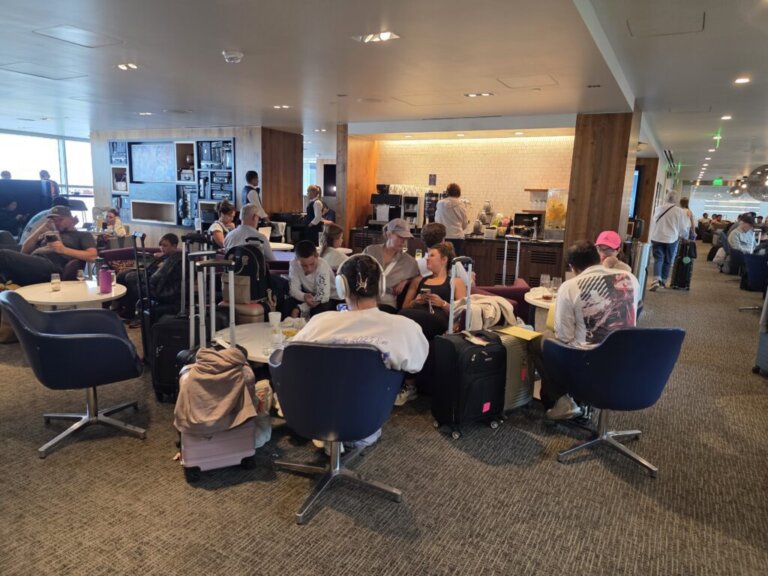
- JetBlue hasn’t had a domestic first class product. They haven’t had lounges. Mint is only on a subset of their fleet. JetBlue has a revenue problem, because they haven’t catered to premium passengers.
- You need premium passengers and premium spenders to make New York City cost structures make sense. And JetBlue is belatedly addressing this.
- But the Port Authority of New York New Jersey doesn’t help. But it goes far beyond them. Geraghty complains about airport authorities but the issue is much larger.
The Empire State Building took one year and 45 days from the start of construction to its opening. We used to build things in this country. Now we pride ourselves on not building things.
- New York JFK’s terminal one wll take a decade to build. The LAX Landside Access Modernizatoin Project will take a decade as well. And that doesn’t include years of planning, review and permitting prior to start of construction.
- In Washington, D.C. Amtrak’s Union Station is undergoing a $10 billion renovation, that will probably cost more, and is not even projected to be complete until the 2040s.
- California high speed rail is a 20-year, $100 billion boondoggle that will probably never be built as-intended.
- Oakland’s airport took a mere five months to build. Now adding 16 gates could take decades,
There are just too many veto points for building along the way, most of them created by the well-meaning National Environmental Policy Act.
Environmental review created too much ‘citizen participation’. Large-scale projects drag on for years and cost far more than their counterparts in Europe. Federal agencies signing off on projects add too many costs, too.
You have Environmental Impact Statements, Public Review and Comment Periods (followed by supplemental Environmental Impact Statements), and then Legal Challenges.
An insufficient National Environmental Policy Act analysis alone is reason for courts to start the process over. And multiple agencies must coordinate and work through disagreements and communication issues. And California rules go even further. These rules aren’t about the environment, in fact they are now used to stymie environmental projects and they’re used by the fossil fuel industry to stymie green energy projects.
Large public infrastructure is broken in this country. That’s true. It limits capacity – we simply can’t expand. And it drives up costs, limiting choices. Where Geraghty is correct is the implied point that when costs are so high, only premium businesses serving premium customers can survive. And that’s the opposite of the democratic goals the system was ostensibly meant to support.
More From View from the Wing
Link da fonte