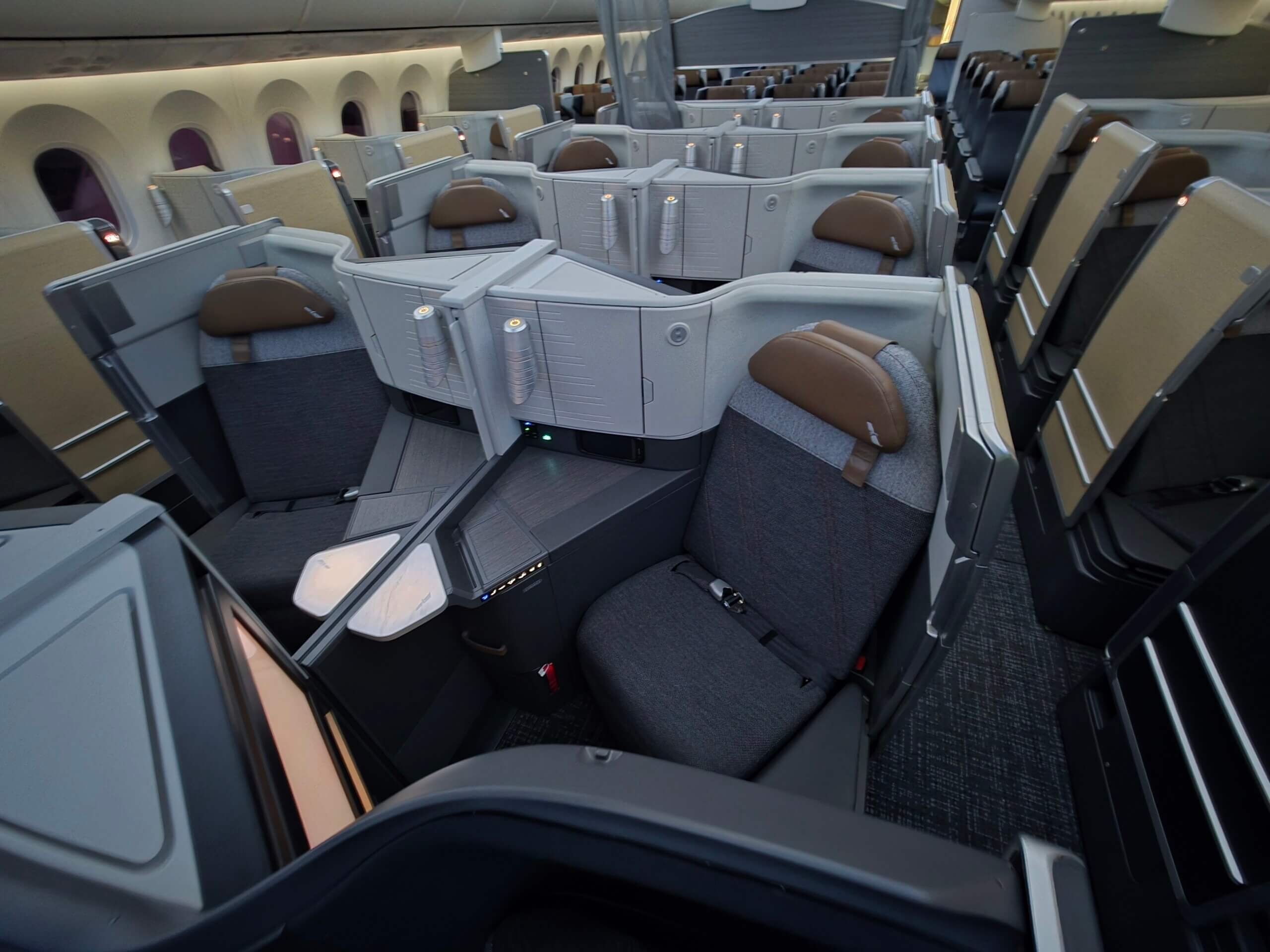
American Airlines has been spending real money on “premium” — new suites, new lounges, better champagne, better policies — but the company has lacked anything resembling a mission that connects it all. In a leaked recording from a post-earnings employee meeting, that finally changes: leadership frames Chicago as an existential fight with United, and ties winning the market directly to loyalty and credit card economics, and that easily extends to the need for a premium service culture.
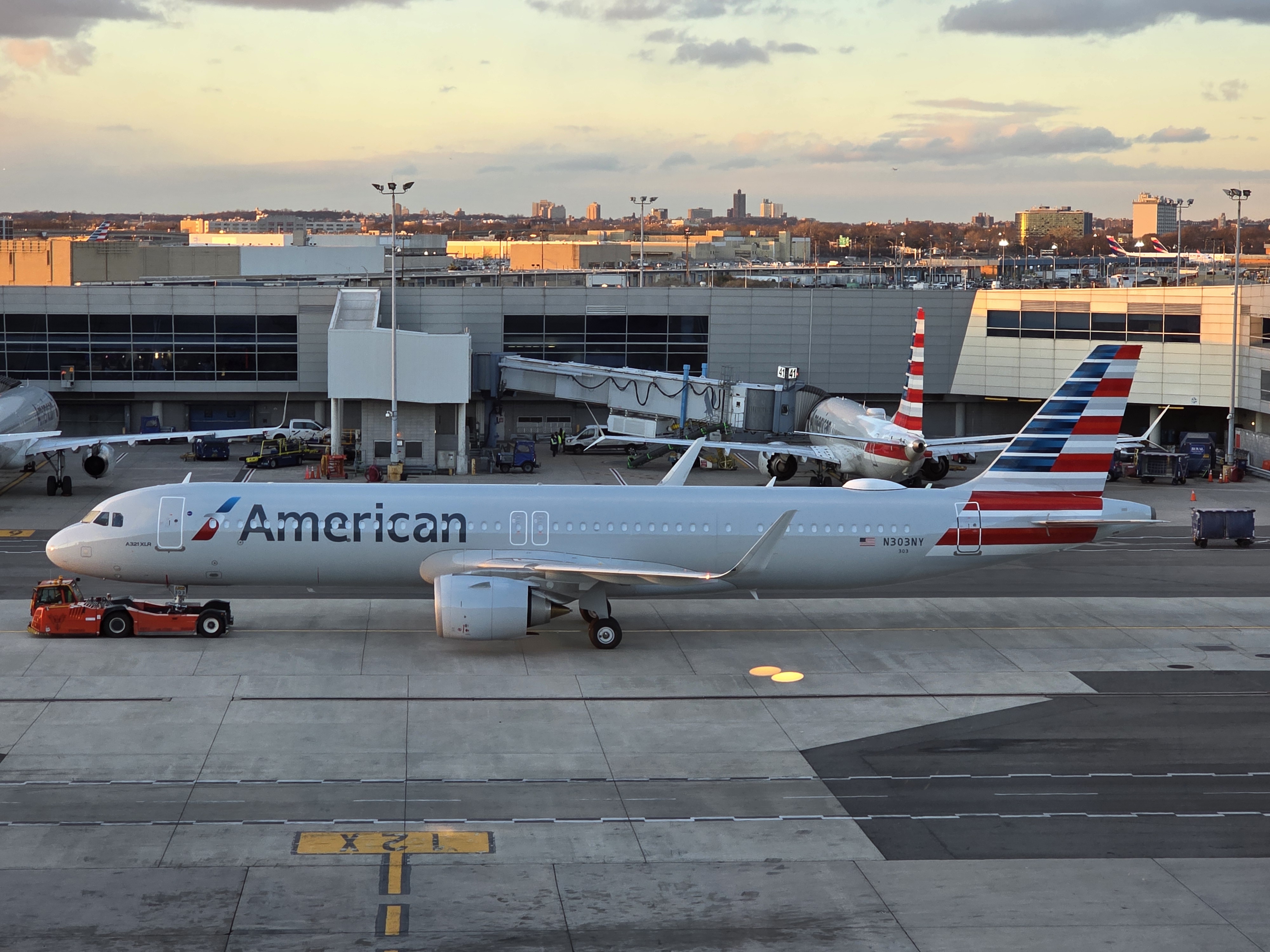
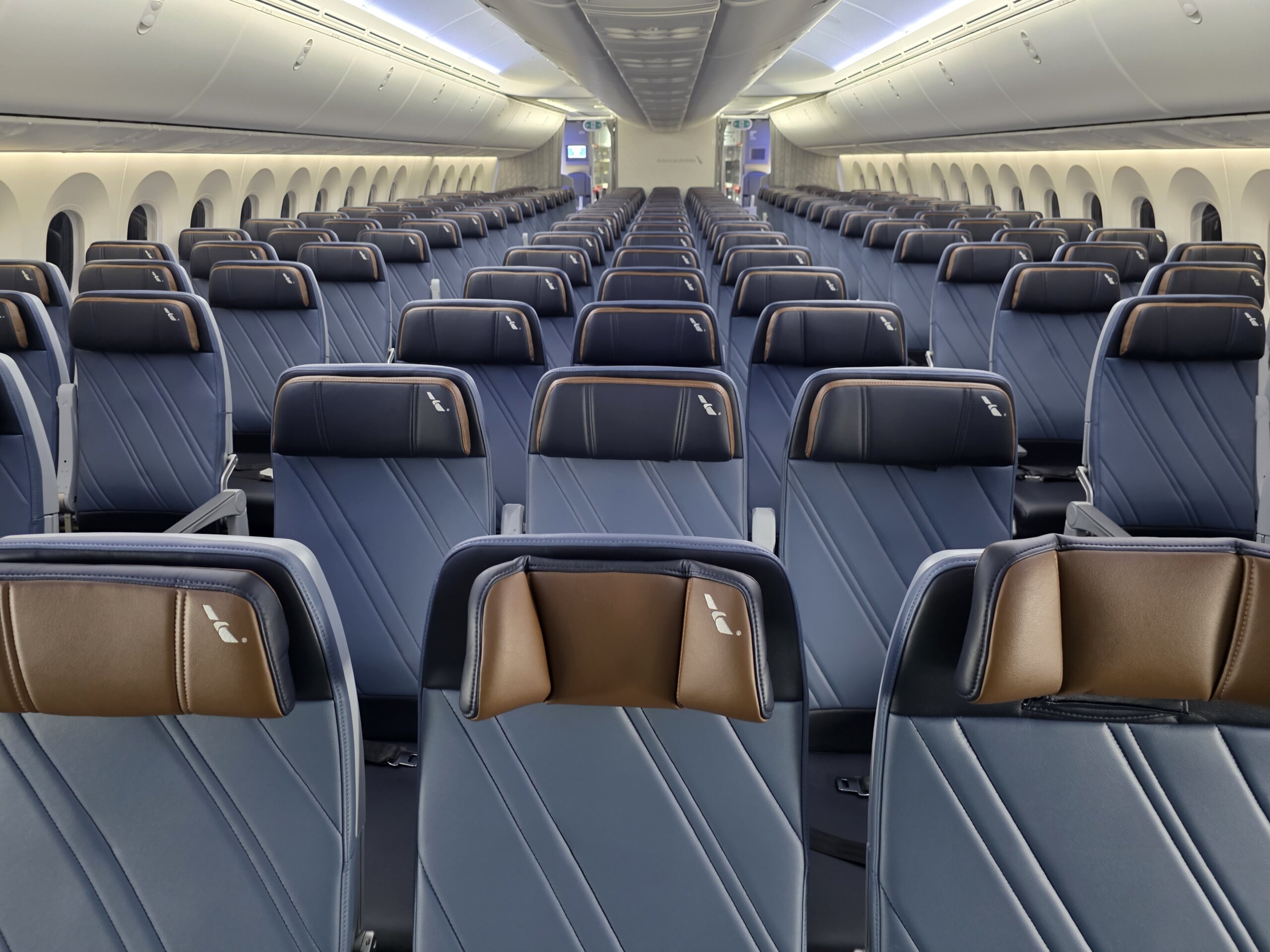
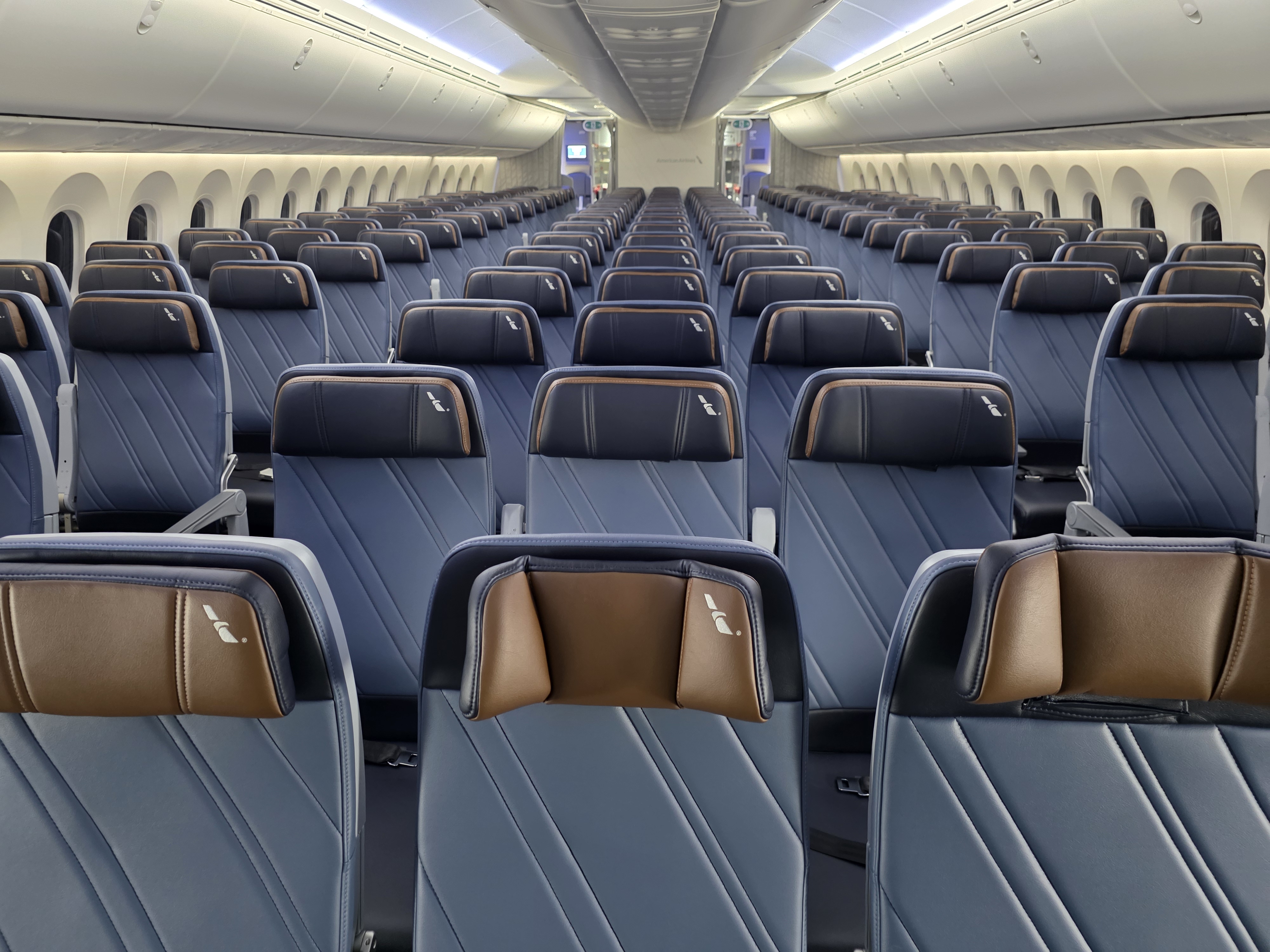
The airline has been making significant premium investments – from a new business class suite to new lounges to better champagne and modest improvements in food along with better policies like making standby easier for passengers.
However it’s largely seemed like disconnected efforts because other than a nod to the word ‘premium’ CEO Robert Isom hasn’t been out on the front lines articulating a vision for employees of:
- What’s at stake employees need to see themselves as part of an existential fight for the future of the airline, a mission that’s bigger than themselves
- How service delivery matters for success and the kind of experience they need to give their customers so customers will pay a premium for the product, which turns into profits, after years of being told they’re fighting against Spirit and Frontier and also (by the previous CEO) that their contributions don’t affect profit.
- That this matters for employee pay with generous profit sharing formulas in place, borrowed from Delta, delivering a product that drives more revenue means higher pay. It’s taking this year’s barely-existent profit sharing and turning it into the nearly two months of extra pay Delta announced this year.
And it’s been disconnected because he hasn’t articulated a vision for where they’re going as an airline to customers – that it’s a long journey, but the kind of reliability, product and service goals that they have – where each investment and policy change can be seen as a step along the way towards something better.
The lack of a clear mission statement has hobbled the airline for years. But after Thursday’s earnings call, at their employee “State of the Airline” meeting, in a recording that I reviewed I heard what’s come closest to a rallying cry that I’ve heard from an American Airlines executive in the past 13 years.
Chief Commercial Officer Nat Pieper told employees that things had started to track right – that “prior to [winter storm] Fern, the first 3 weeks from a revenue perspective were like nothing we’ve ever seen.” He talked about this across the board, and several record revenue days for their domestic operation in the proceeding two weeks.
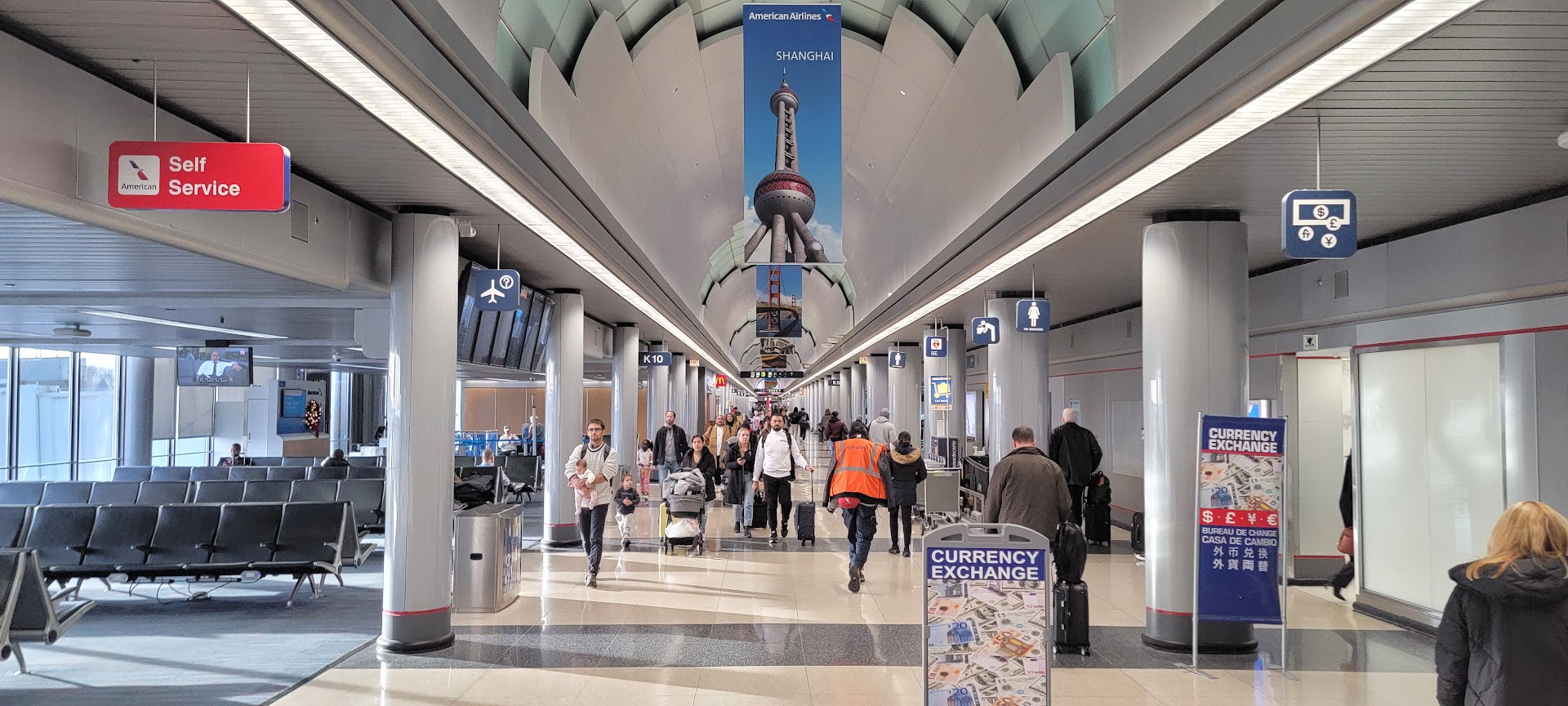
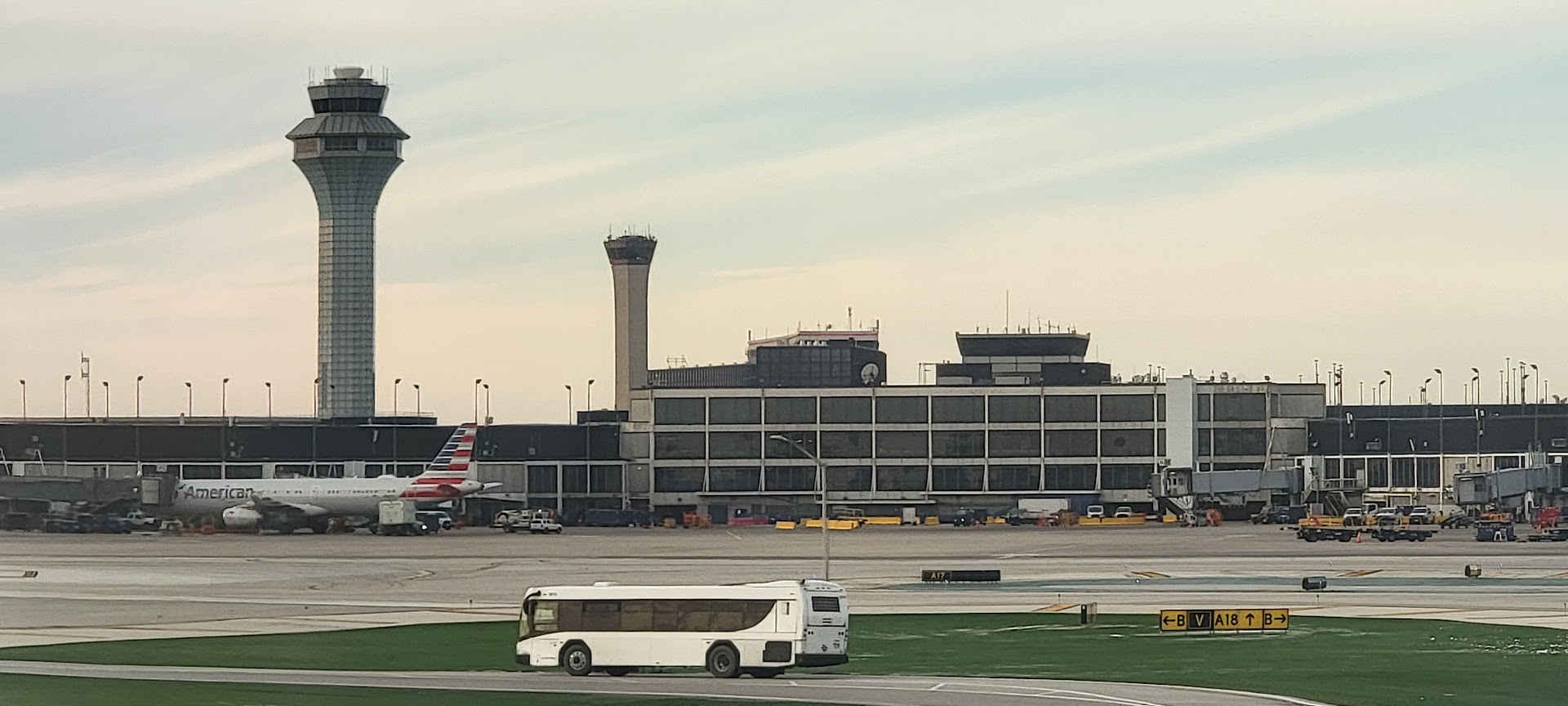
Then he turned to Chicago, where the stakes are clear. American Airlines is the number two carrier. They’re trying to build back to where they were in Chicago before the pandemic. (They hadn’t done this because they retired too many planes during the pandemic and just did not have the aircraft, and they lost Chicago gates because of it.)
As they announce new flights, United announces new flights to flood capacity. United is trying to bleed American in Chicago and force them to stay much smaller. And United announced big capacity growth Chicago the morning of American’s earnings call to ensure that analysts questioned the viability of American growing there. That came after United CEO Scott Kirby drew “a line in the sand” in Chicago during his own earnings call earlier in the month.
Talking about Chicago, Pieper started by repeating Robert Isom’s talking points about how long the airline has served the city, but then he actually explained why Chicago is important and will make money for American:
Chicago is one of the best markets from a loyalty perspective and it’s growing like crazy. 20% [growth in] enrollments over the last 9 months, 20% credit card acquisitons over the last 9 months. We’re shifting local share also magically 20%. Fortunately it’s the same so I can remember them, but it’s a really good momentum story.
American makes money on its credit card. Chicago is an incredibly important spend market. American has fallen behind in New York and Los Angeles and can’t fall behind in Chicago – already spend volume on their credit card has gone from number one in the airline industry down to number three.
The economics of Chicago flights will actually look better with Citi credit card deal revenue attributed relative to spend rather than spread out across flights in the system.
Then Pieper called out United: their “common enemy” and implored everyone to come together as a team.
Our competitor chose to announce yet another frequency add right before our call this morning. What emboldened me the most about that was a quote from them that basically their network head said ‘I don’t care what they do.’ I saw that, and I thought about it, I’m competitive as you know. And I read that and I said ‘no, actually I think you know exactly what we’re doing and you care about what we’re doing because you took the time to actually announce it to try to pre-up what we’re doing.
We can win in Chicago, team, but it’s gotta be a big team effort. It’s an audacious schedule that we’re saying we’re gonna go to 550 departures. We need the network team, the ops team, our incredible Chicago team working together to be able to produce this schedule and get the financial returns we want. Our revenue management team, we’ve got to fill airplanes. Alliance partners, we’ve got to get partner heads on these flights, crews, etc. it’s an all-team effort.
The good news is common enemy is one of the things that throughout life and history has been a very effective rallying cry. We can win in Chicago, we’ve got a schedule to do it, and I’m really excited with all of the pieces we have in place to go get on the field and go restore American there to where we want to be.
That’s a start, and a message that needs to be repeated, over and over.
- There’s a reason to go and fight. Adding capacity in Chicago isn’t about vanity or ‘strategic flying’ it’s important to the core business, because it’s how they’re relevant to earn the credit card revenue that drives profits.
- They’re in an existential fight. And to win, everyone needs to come together to execute, and to deliver service to customers so that customers prefer to fly American.
- And the management team will give employees the tools to satisfy customers – the products, policies and support to be a premium service airline.
- And when those things come together, everyone – shareholders, customers, and employees – all win.
Now the test is whether American repeats this message relentlessly — and backs it with the tools, staffing, and accountability needed to turn “common enemy” into a premium product that actually makes them competitive in Chicago – and beyond.
More From View from the Wing
Link da fonte