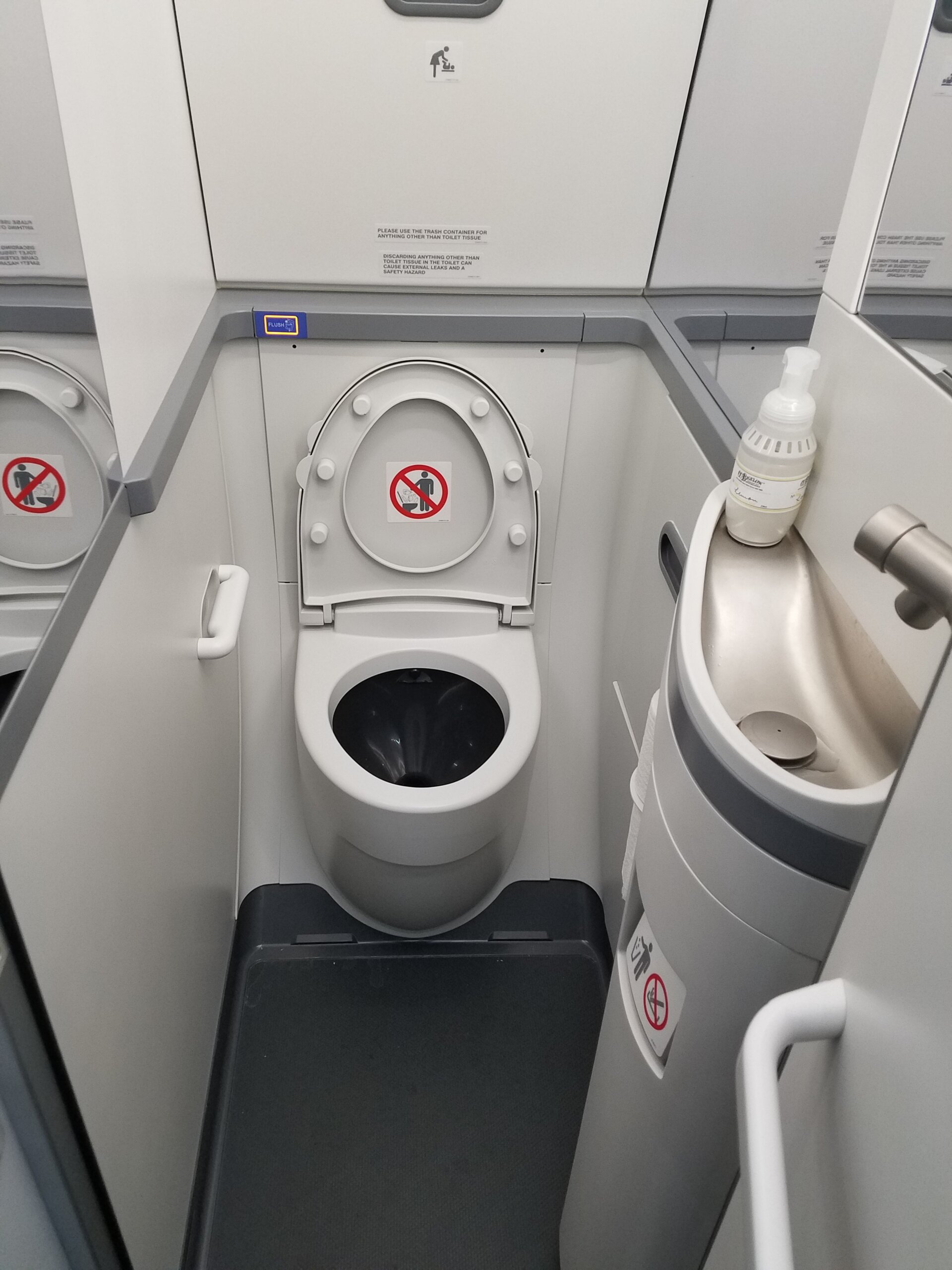
A passenger kept wanting to use the lavatory during a flight delay, and a flight attendant kept refusing to allow it. The flight attendant was fired, and they’re suing the airline over what they say is an unfair dismissal. Can you go to the bathroom when the seat belt sign is off? And can an airline fire a flight attendant for refusing to let passengers take care of basic needs?
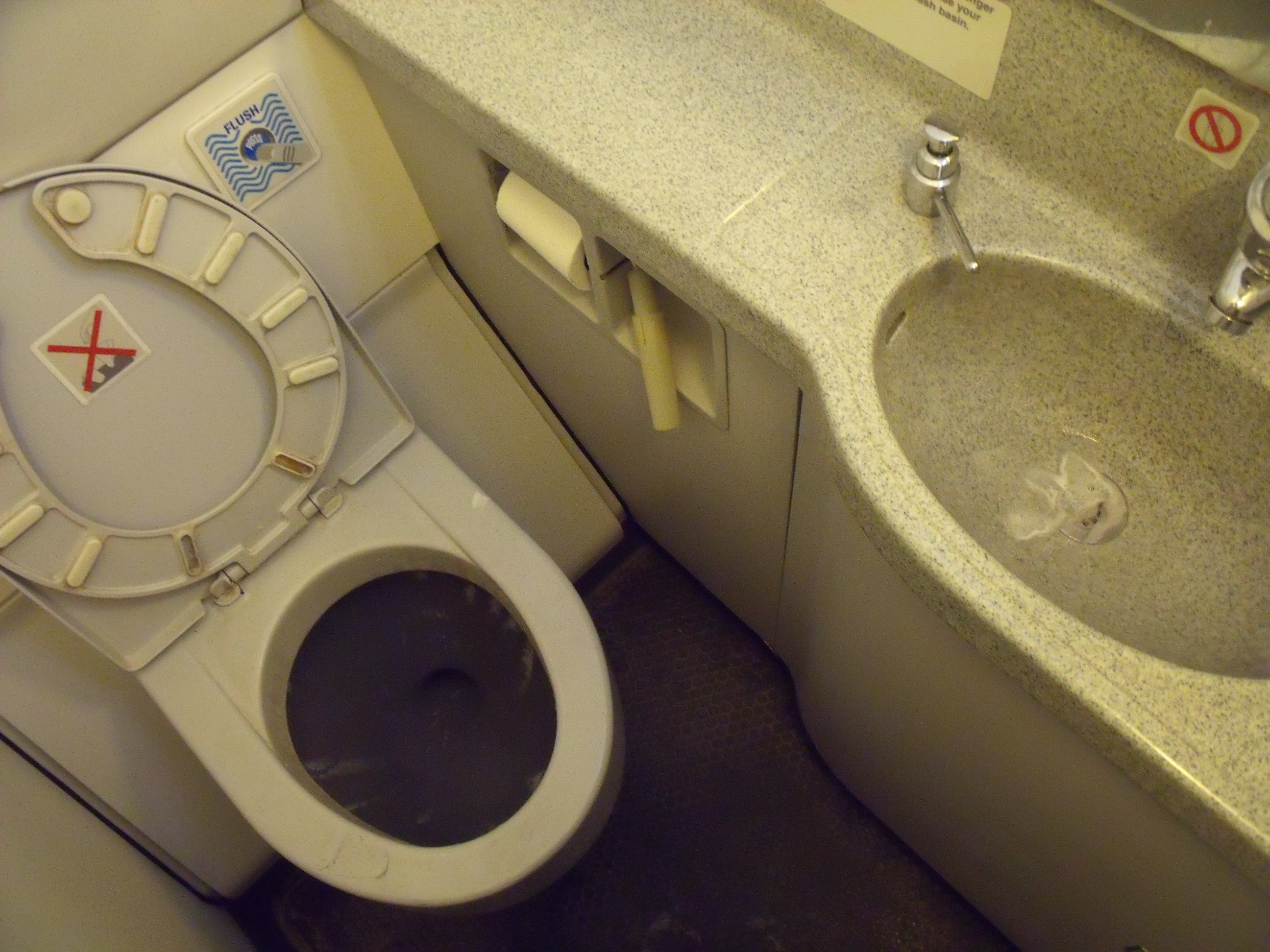
The flight attendant responsible for refusing toilet access to a passenger on Aer Lingus flight 515 from Marseille, France to Dublin, Ireland on April 9, 2024 is pressing their case against the airline at Ireland’s Workplace Relations Commission.
- The flight was delayed. The inbound aircraft was late due to a problem with the plane’s auxiliary power unit, and the flight was further delayed on the ground in France.
- There were no bathrooms in the area of the terminal where passengers were waiting. So a male passenger in his 30s, who needed to go, asked a flight attendant if he could use the lavatory after boarding.
- The ranking cabin crew member refused “on safety grounds” because the aircraft was refueling. The passenger responded under his breath “oh for f*’s sake.” The passenger tried to push past the flight attendant “to use the toilet during fuelling” and, after “two verbal warnings,” the captain decided to serve a “Dip 1” disruptive passenger warning.
- The passenger was told that after refueling but before pushback there would be a window to use the lavatory. They weren’t told when this window was, and didn’t go.
- However they really needed to go and after takeoff, but while the seatbelt sign was still on, they got up and tried to use the lavatory. They were sent back again. Another flight attendant, seated in the jump seat at the lavatory, thought this was “strange.”
You can’t go to the toilet. I’ll tell you whenever you can go to the toilet.
- The flight attendant wanted to record the passenger’s name for the written warning. They should have been able to identify the passenger from the manifest. But they decided they needed the passenger’s boarding pass. So they had a strategy: trade lavatory access for the boarding pass, telling another crewmember:
He won’t be allowed to go to the toilet unless he gives the boarding pass.
- By the time the passenger was allowed access to the lavatory (after drink service), the plane was halfway to Dublin – and they were in tears.
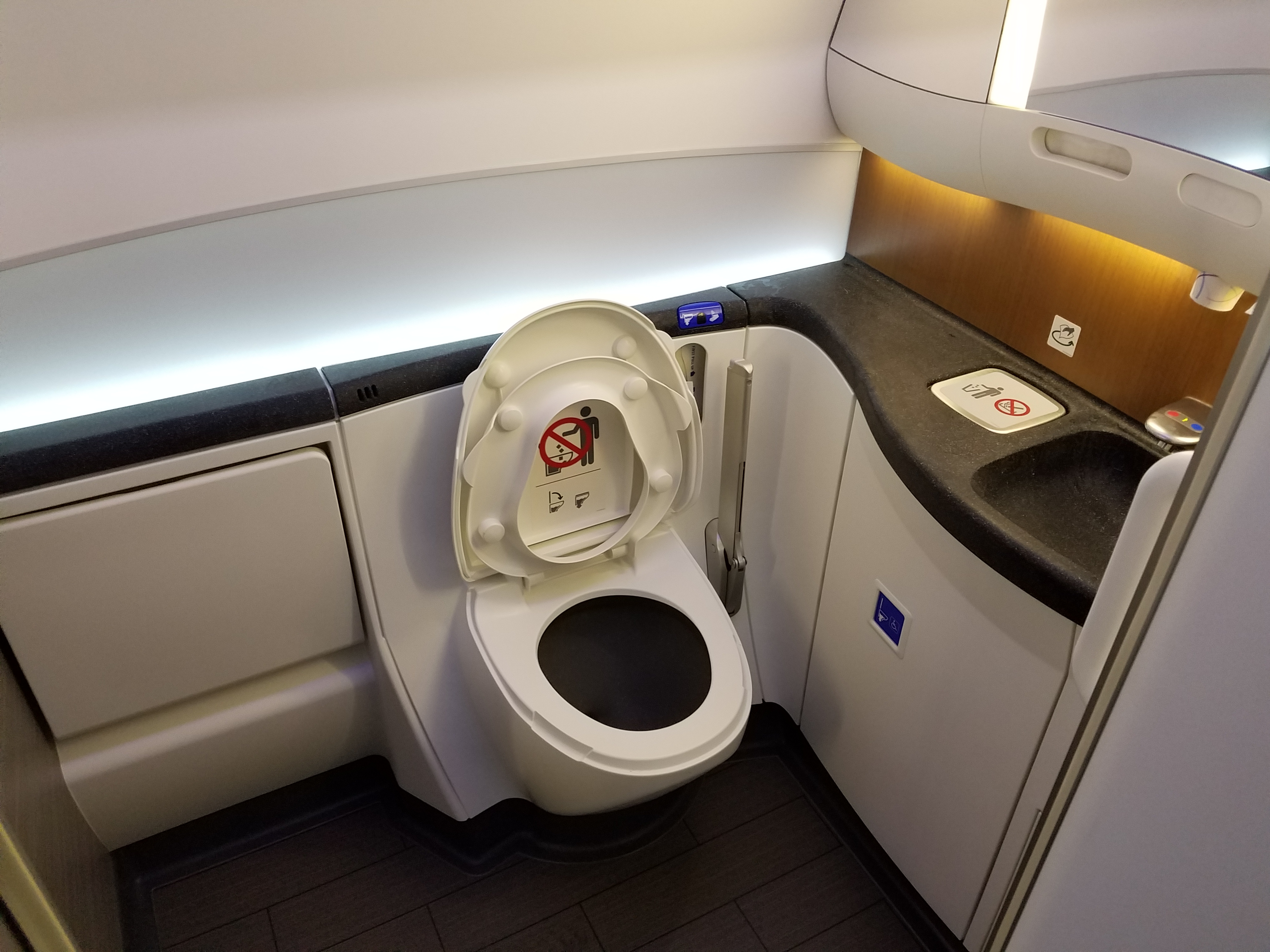
Other flight attendants and passengers testified as witnesses that the flight attendant refusing lavatory access was “aggressive,” “angry,” “extremely unprofessional,” engaging in “threatening behaviour,” and having “snapped” and “flipped out.”
Conflict didn’t end with lavatory access, though. It continued after the flight. Outside of Dublin airport terminal 2, near the taxi stand, the flight attendant was witnessed to have shouted at the passenger, “You think you’re mister big man now, do you big fella?”
For their part, the flight attendant said they were “triggered” by the customer and under personal strain.
- The passenger first asked to use the lavatory during refueling. The European Union Aviation Safety Agency wants passengers to be able to evacuate as quickly as possible when refueling. Fasten seat belt signs have to be off, and passengers should be instructed not to have them fastened. There’s no actual rule that lavatories cannot be used. However that’s a procedure allowable at the airline level to manage aisle congestion and evacuation readiness.
- The passenger was heavily scolded, and waited to be told they could use the lavatory but that permission never came. They didn’t actually ask during the window where they might have been allowed (while the aircraft was still at the stand, prior to pushback).
- The passenger got up before the seat belt sign was turned off. Passengers should remain seated when the seat belt sign is on. In my experience, they use the lavatory all the time anyway. A flight attendant might say ‘the seat belt sign is on’ not ‘you may not use the lavatory’. Some passengers mistake the first statement for the second, but they do not mean the same thing. Basically, flight attendants figure they’ve done their duty, and covered themselves and the airline, and if anything happens the passenger was warned.
- ‘No toilet unless you hand over the boarding pass’ is, of course, improper and the airline considered this inappropriate, disproportionate, and unprofessional.
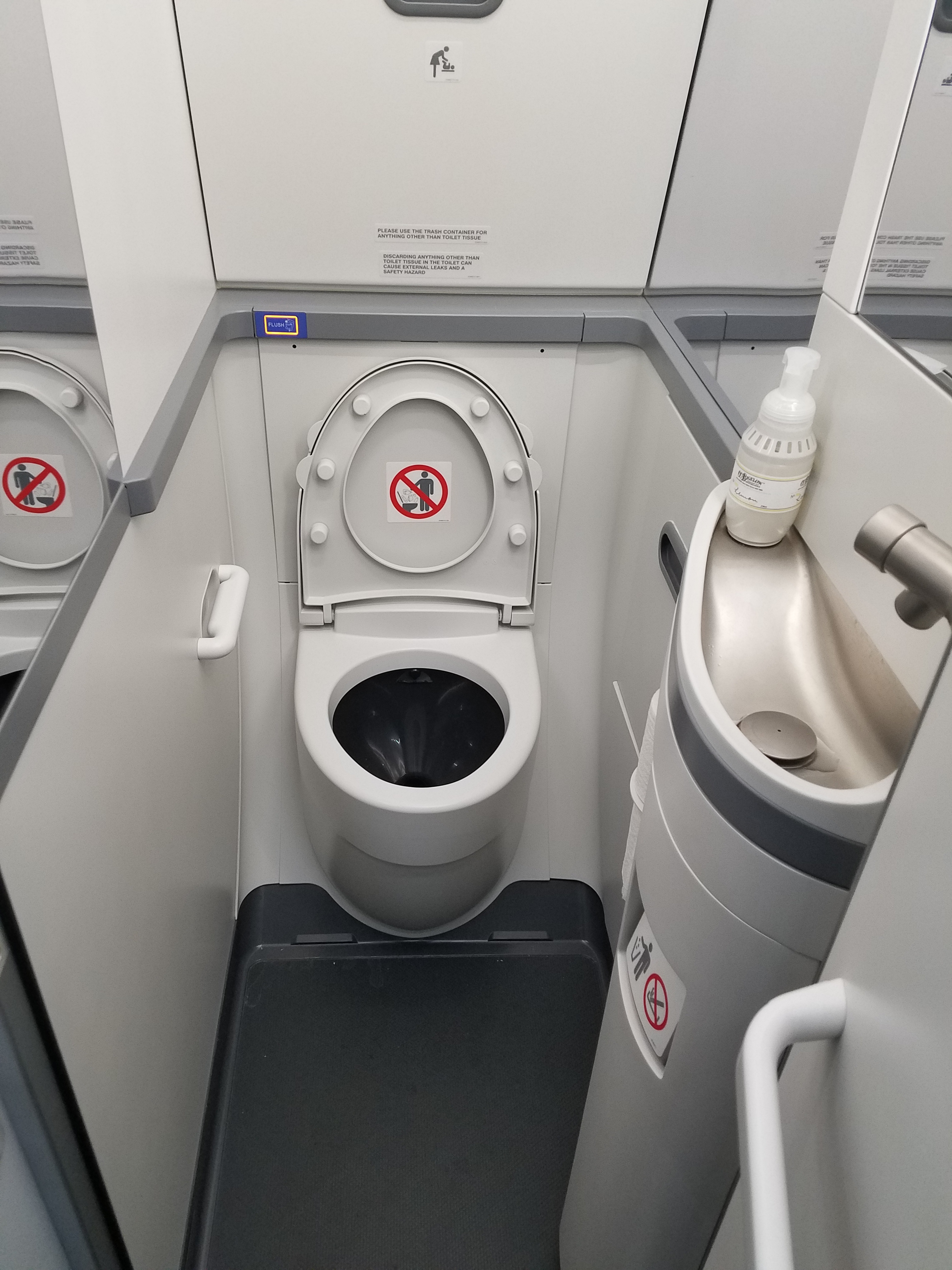
A couple of years ago, Spirit Airlines flight attendants denied a passenger lavatory access witht he seat belt sign on. They needed to go so badly that they went on the floor of the aircraft. And the crew filmed it.
It’s not even the first time a passenger has done this in that exact spot on a plane. And previously when it was caught on video it was literally on Wizz Air.
Usually alcohol is involved, and usually the passenger loses control or exercises bad judgment. It’s happened in the past on American and JetBlue and easyJet and United.
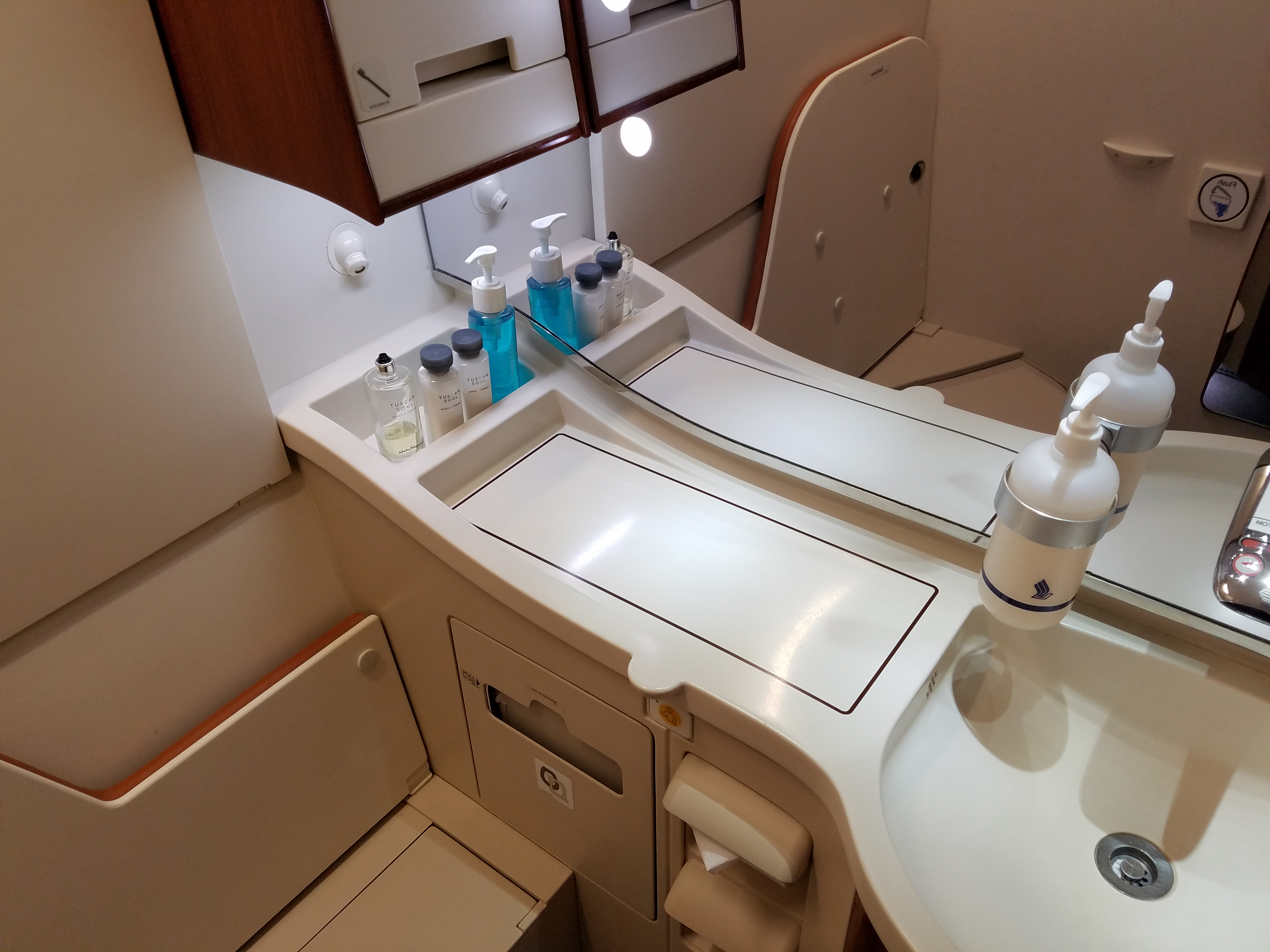
Rarely is a passenger told they simply cannot ‘go’. However, United Airlines does frequently lock lavatories during turbulence especially prior to landing in Denver. That’s for an actual safety reason, though, and not actually for spite.
More From View from the Wing
Link da fonte