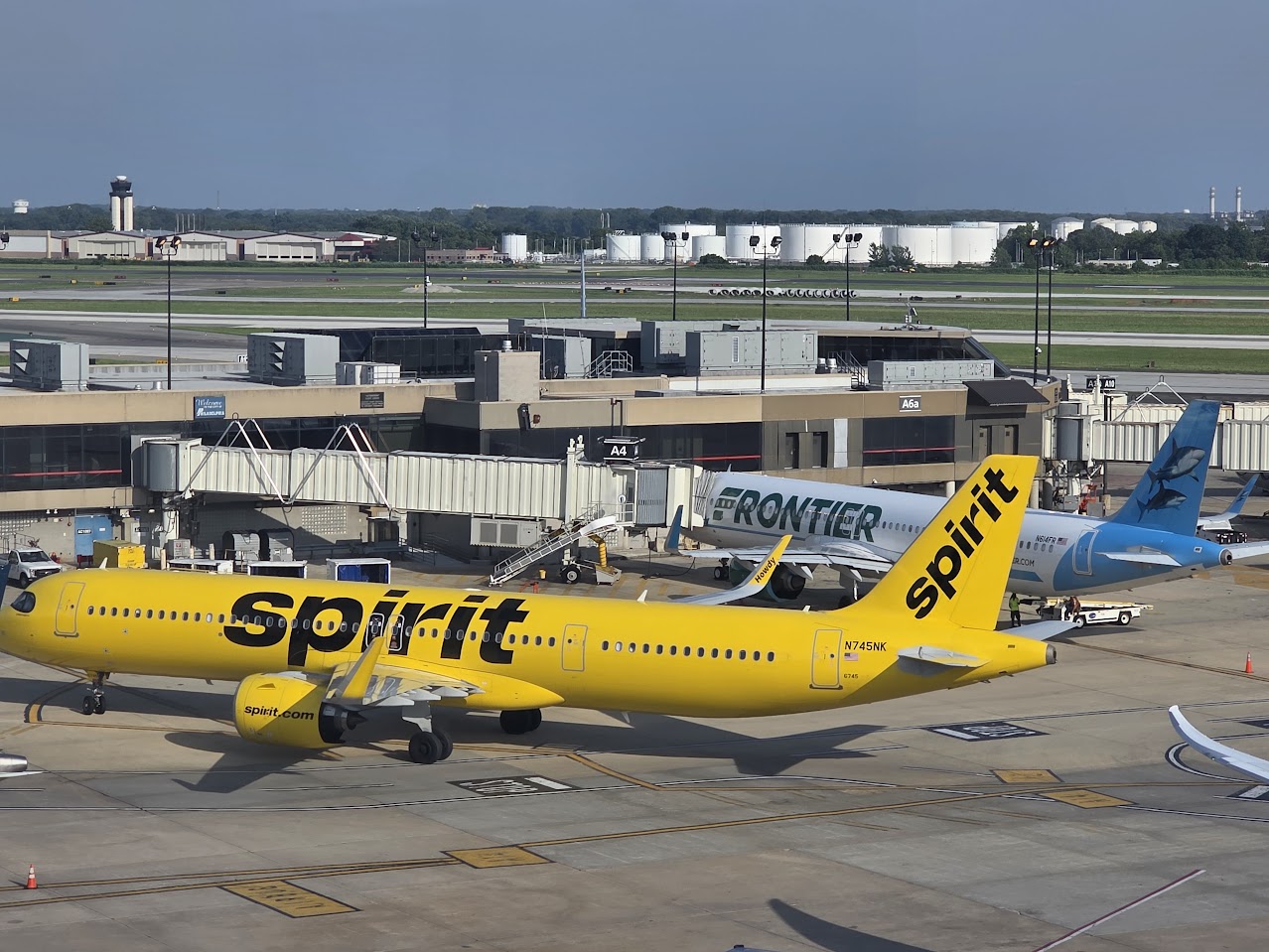
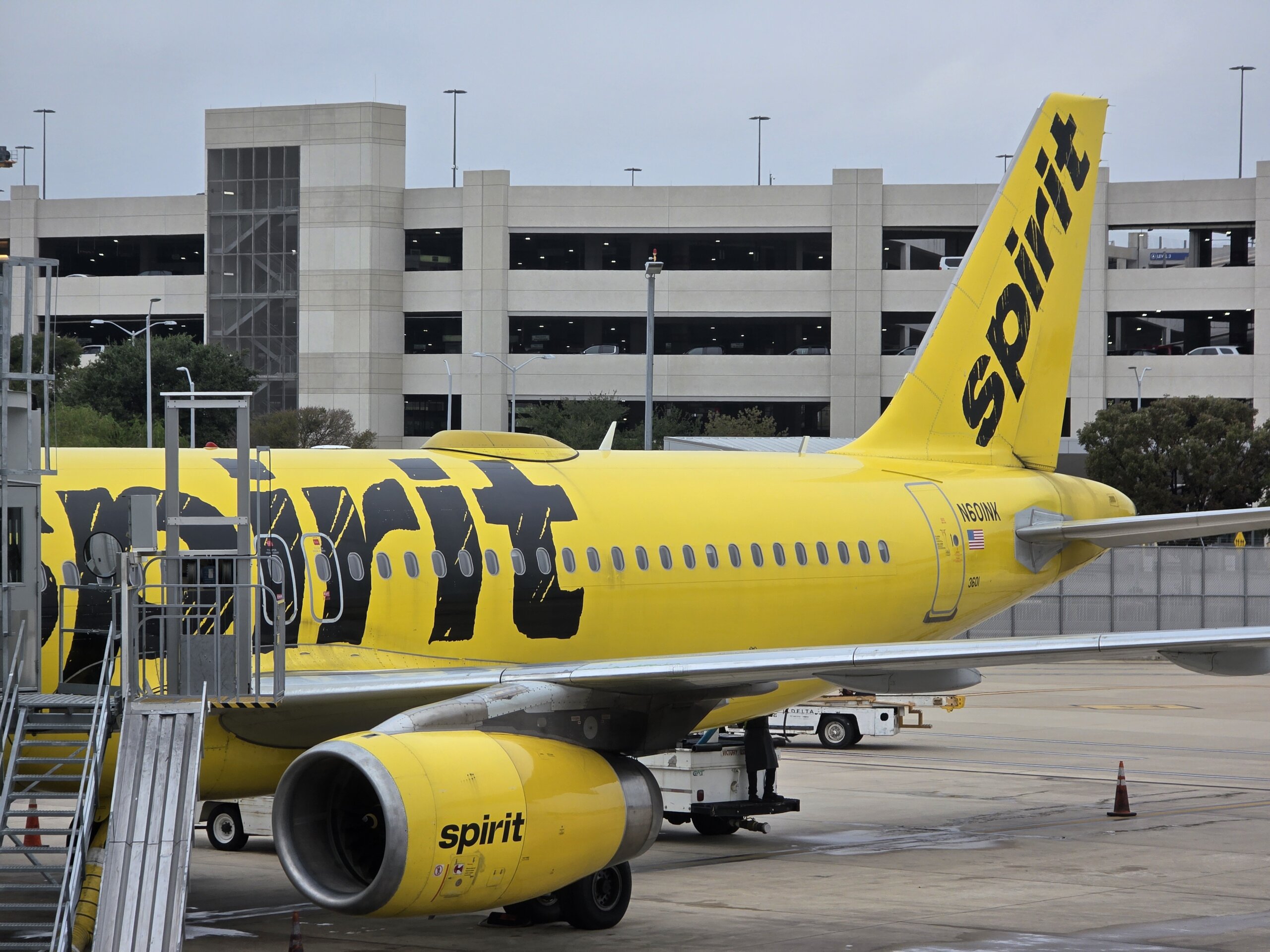
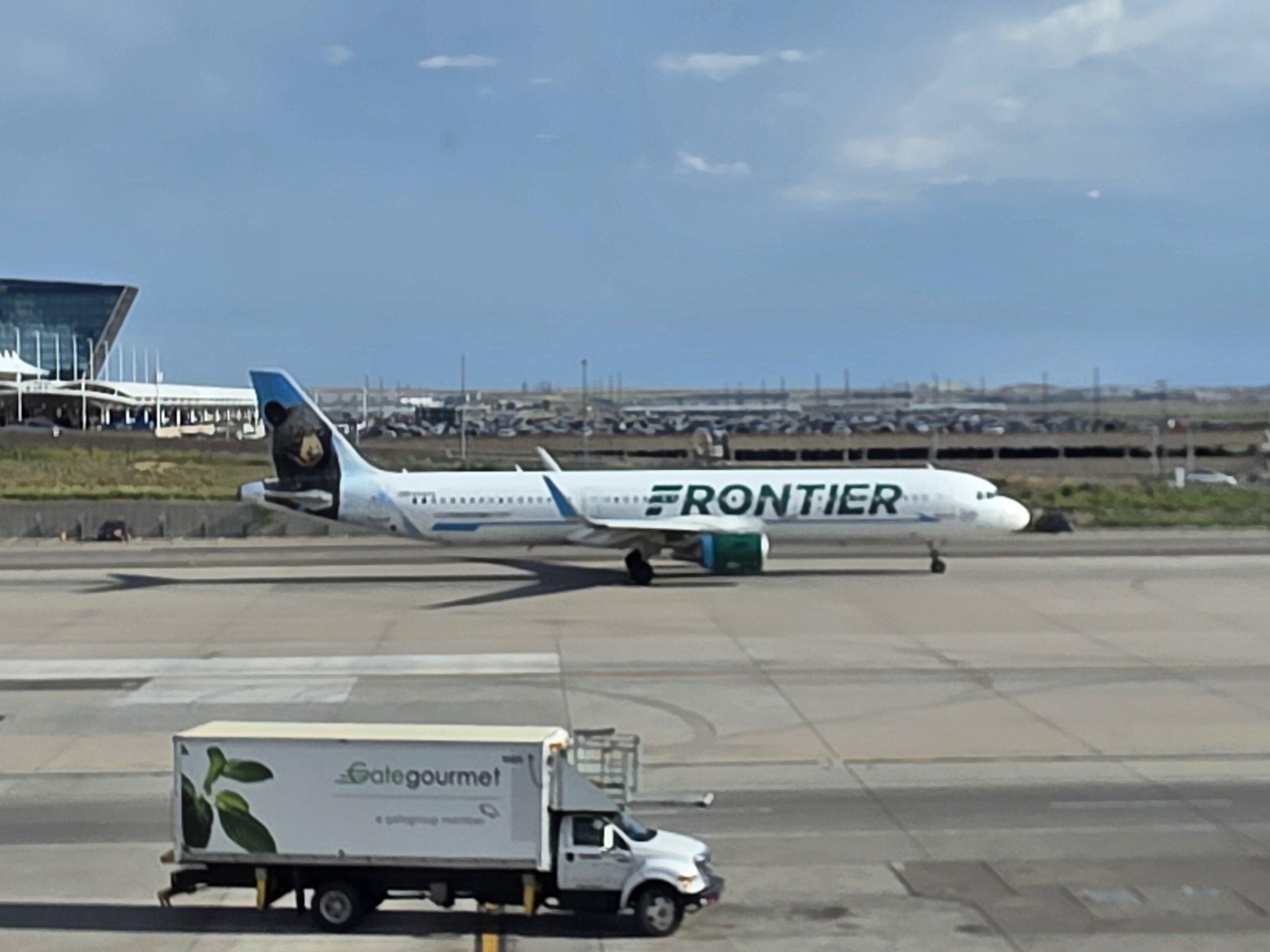
Spirit Airlines and Frontier are back in merger talks with a deal that could be completed this month – but that isn’t done yet, so could still fall apart.
Bankrupt Spirit Aviation Holdings Inc. is in discussions to merge with Frontier Group Holdings, people familiar with the matter said.
A transaction could be announced as soon as this month, said the people, who asked not to be identified because the matter is confidential. The discussions are ongoing and could end without a deal taking place, they said.
Spirit and Frontier originally announced an agreement to merger in February 2022. JetBlue then outbid Frontier, the Biden administration blocked that deal, and Spirit wound up in bankruptcy. Along the way Spirit and Frontier talked merger again several times. Each time Spirit wanted too much money, and ultimately cost its shareholders money.
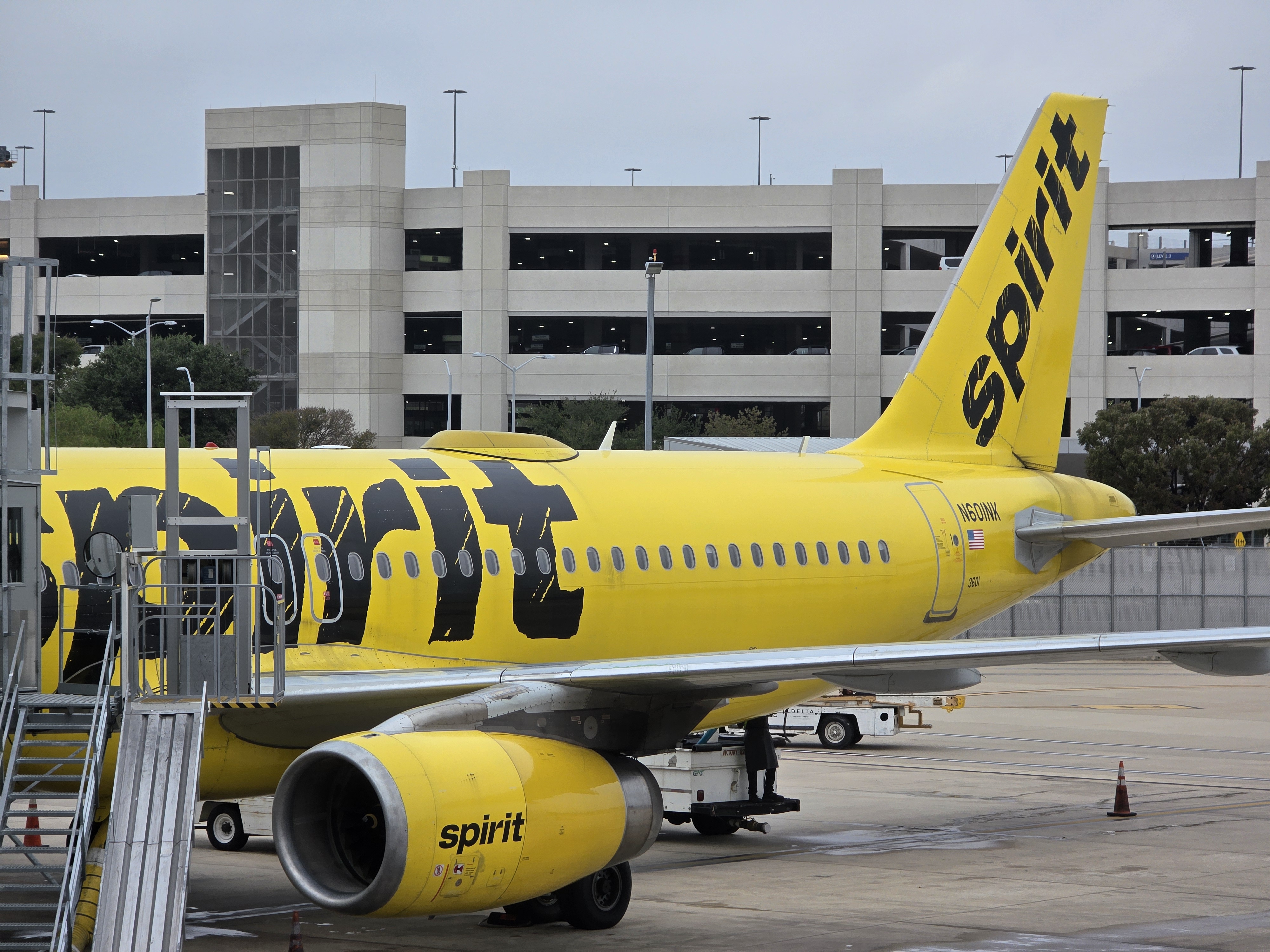
Frontier CEO Barry Biffle was announced as departing on Monday and now there’s word that merger talks between Frontier and Spirit are back on. Those two seem related.
Earlier in the month I wrote that JetBlue founder and Breeze CEO Dave Neeleman said the two airlines would merge because it made too much sense, and didn’t make sense for them not to. His argument was:
- “I think Spirit and Frontier need each other…[Frontier CEO] Barry Biffle may not say that, but they do.”
- “Spirit’s restructuring is meaningful” referring to flight attendant and pilot cost reductions as well as cash raised.
- Spirit and Frontier “need the synergies” because “there’s room for a ULCC in the U.S. but probably not two.”
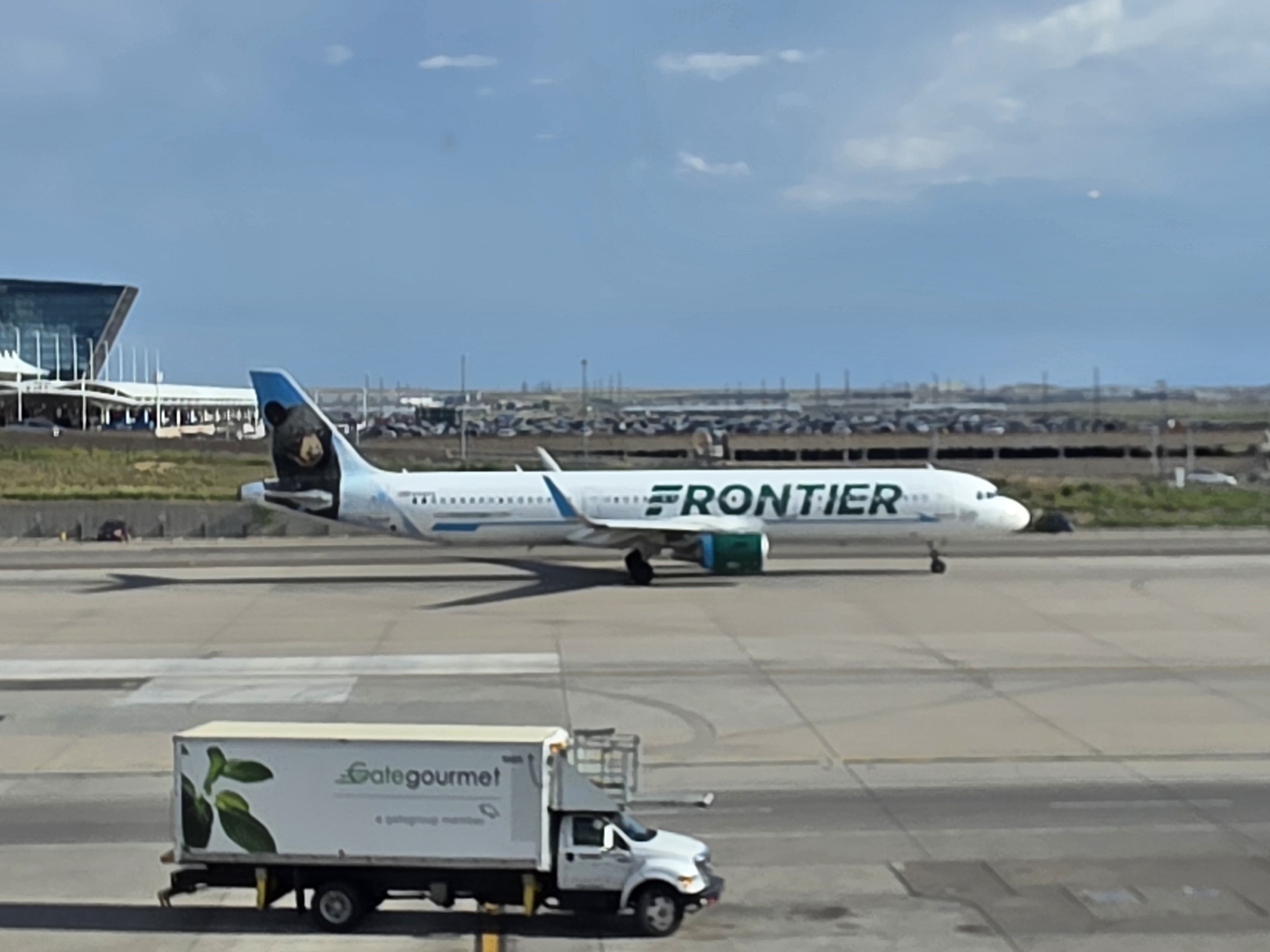
Ultra-low cost carriers in the United States have struggled since the pandemic.
- Their cost advantage eroded, as pandemic wage inflation affected everyone and airport costs have often risen.
- Consumer preferences changed, looking to pay for more differentiated service, and also wanting to travel to places that Frontier doesn’t service (and Frontier lacks partners who do)
- Major carriers became better competitors, dropping prices to match Frontier without cannibalizing their higher fare revenue (tuning basic economy so that high fare customers don’t want it, while letting them pick up business that might have gone to ultra-low cost carriers).
The industry’s profit driver is credit card, and Frontier was creative early in trying to make up for not having much aspirational to offer to cardholders. They revamped their loyalty program to offer status credit for every dollar of card spend before any other airline. But they can’t give you a lie flat seat, they can’t give you travel to Europe and Asia, and they have no lounges.
While legacy airlines found a way to compete on fare without cannibalizing their revenue base, they also have upsells to offer. Both Spirit and Frontier have pivoted to offer more premium products in addition to their bare bonus proposition. Frontier has had greater cost discipline as well, and their former CFO is now interim CEO.
More From View from the Wing
Link da fonte