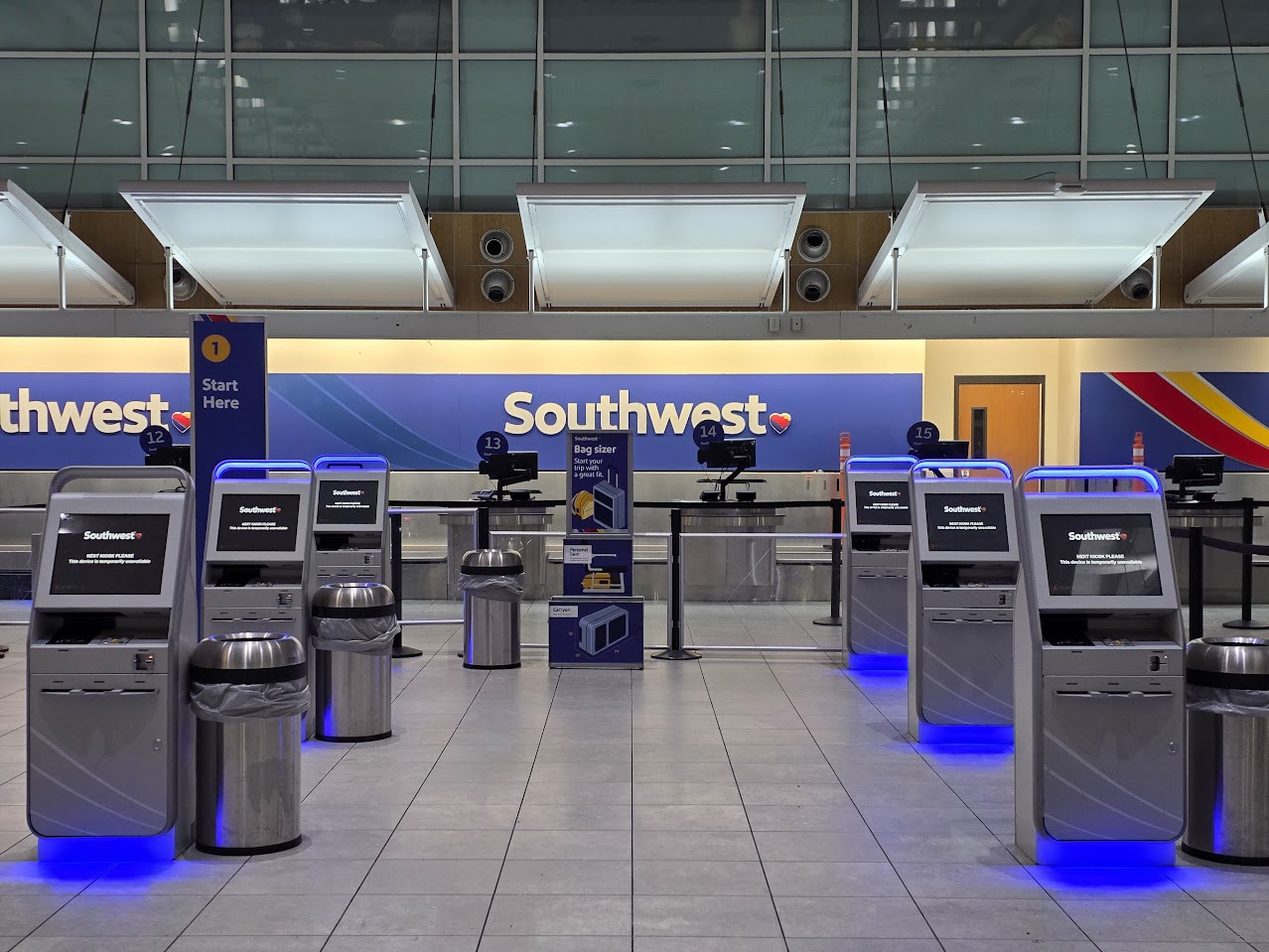
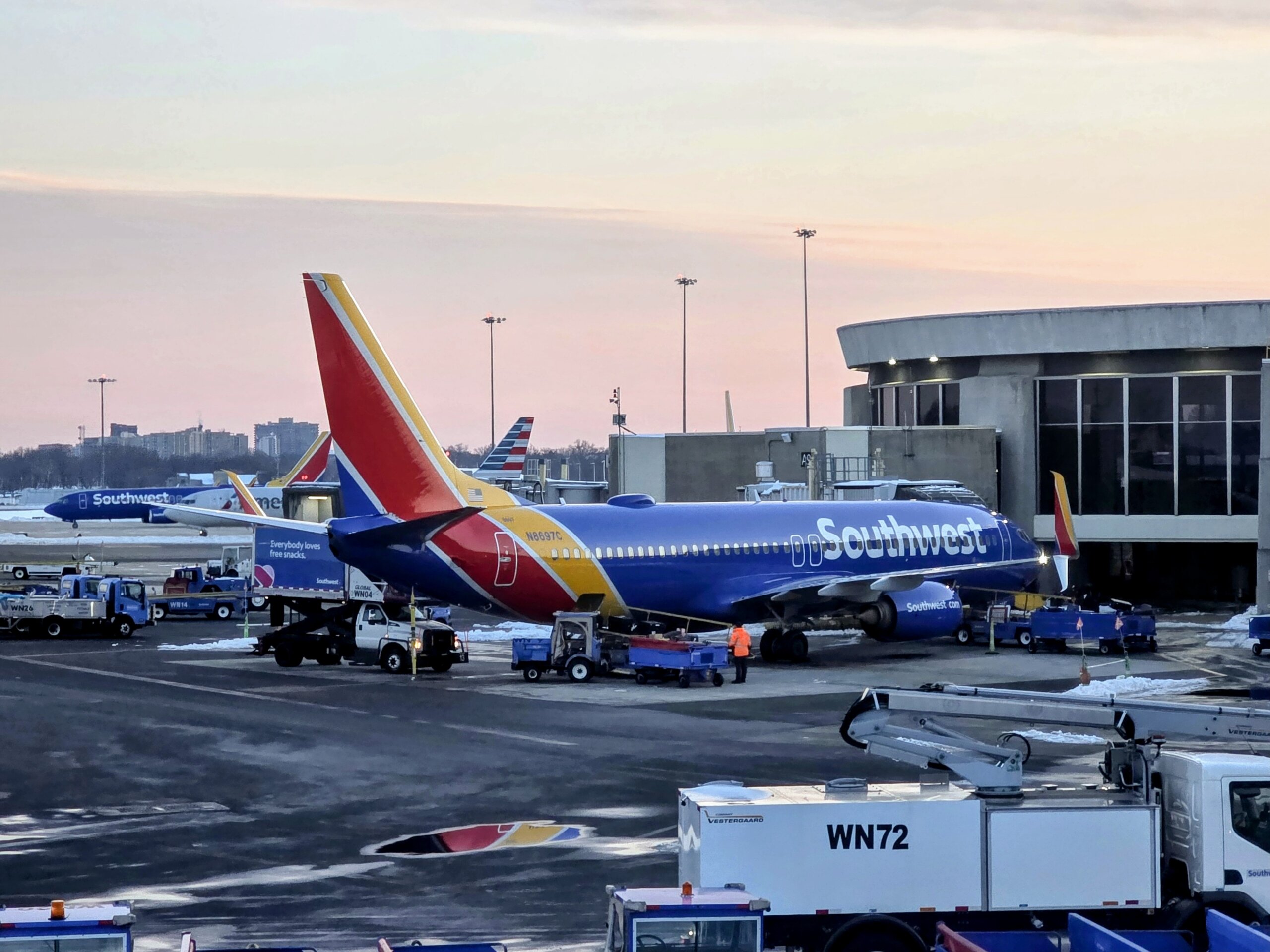
Southwest Airlines changes – basic economy, bag fees, paid assigned seats, expiring travel credits and a devalued Rapid Rewards program – are the result of activist investor Elliott Management taking a significant stake in the airline and pushing for its own board members. They wanted the carrier selling planes and leasing them back, leveraging the airline’s balance sheet to fund stock buybacks. They got what they wanted, and a short-term bump in share price.
Now that their ownership interest has fallen, it’s no longer appropriate to exercise the same degree of control over the company, and two of their board members have resigned – and will not be replaced.
David Cush and Gregg Saretsky have informed the Company that they are stepping off the Board effective Feb. 23, 2026….in connection with the departures of Cush and Saretsky, the Board intends to reduce its size from 13 to 11 members.
The damage, of course, is done. Southwest had its first layoff in company history. Yet profits fell in 2025 rescued from losses by cheap jet fuel and accounting games with Chase credit card revenue.
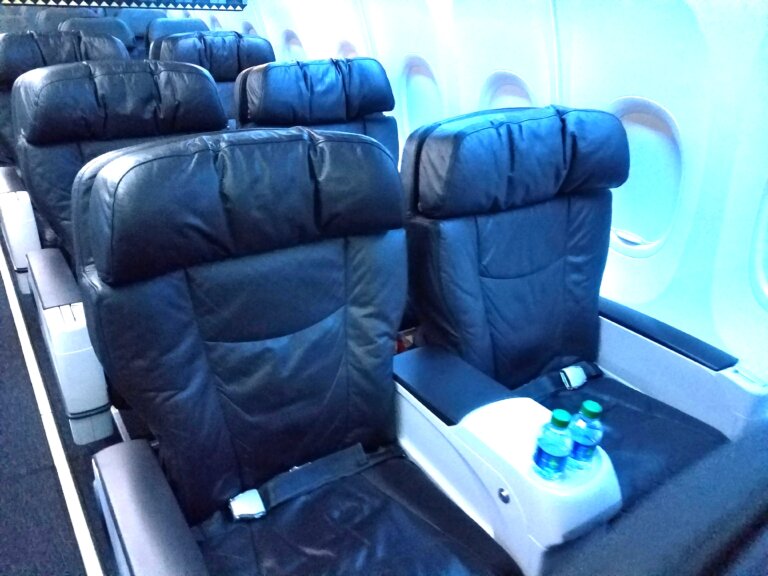
You would not expect a strategy of taking the most financially successful airline in history, discarding everything unique about their business model, and copying financial laggards JetBlue and American – but worse because they lack AC seat power, seat back entertainment, functional wifi, first class, lounges (yet!) and ovens for hotel meals on board – to a recipe for success.
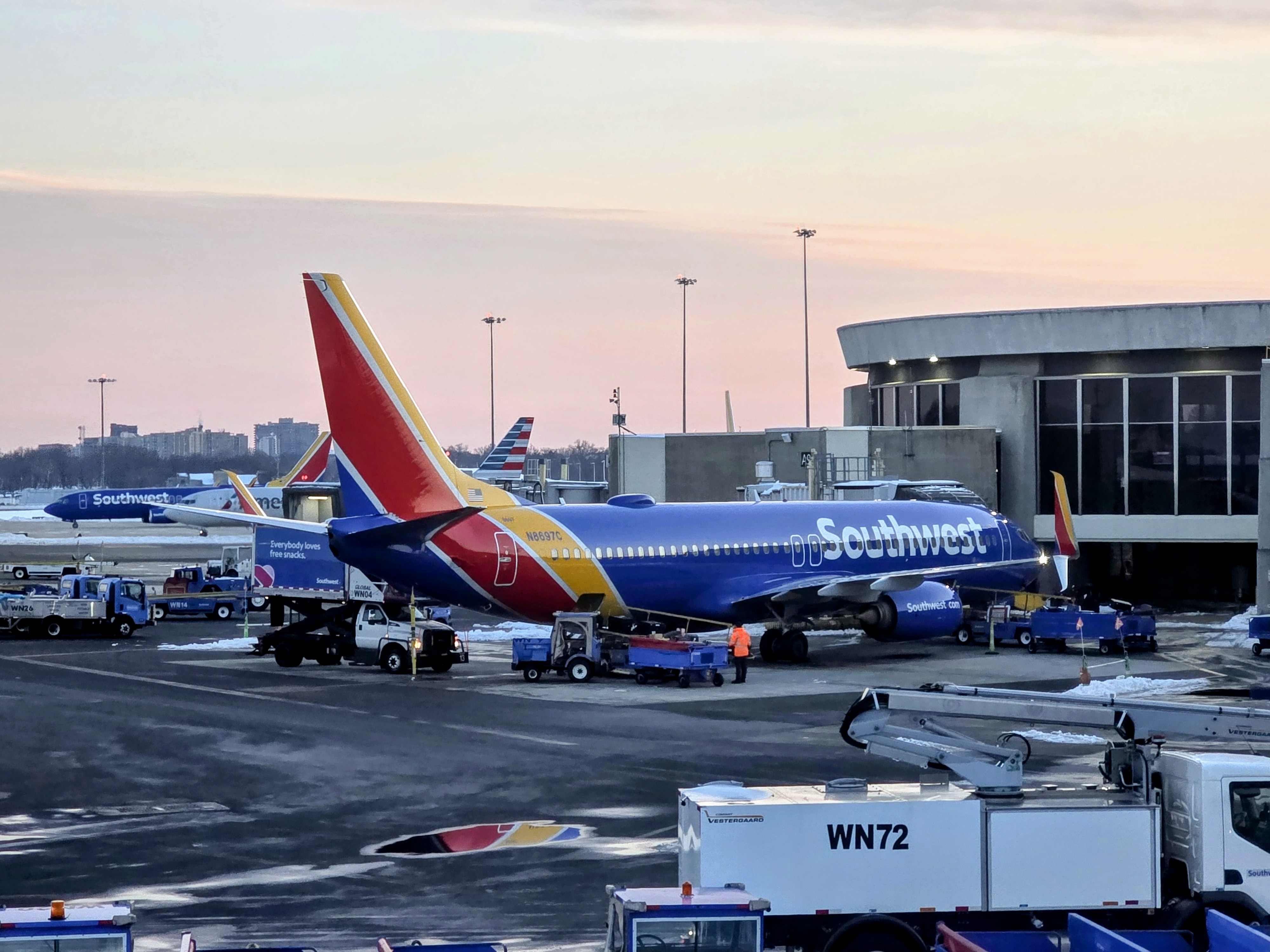
Southwest Airlines was insular and bloated. They were slow-moving. There are changes they needed to make to their business for a long time. For instance, sticking to just Boeing 737-700 and -800 aircraft (including the MAX) doesn’t let them serve enough markets or feed enough passengers. Not selling tickets through online travel agencies was a mistake.
- They were losing out on a lot of customers, for instance anyone with American Express points or Citi points booking through those bank portals. That alone had to be at least 5 to 8 points of load factor.
- And they were unusually dependent on passengers on one side of most of their routes. For a flight between Dallas and Sarasota, Savannah or Syracuse, instead of traffic being evenly split between passengers from both ends of the route they were heavily skewed to Dallas passengers only because that’s who knew to go to Southwest Airlines to search for flights. They lost anyone looking up flights on Expedia.
- Of course, once they add third party distribution they’re comparing their fares against competitors. And Southwest, with bag fees bundled, was often more expensive! And then there’s a natural drive to unbundle (basic economy), especially since the Department of Transportation rule requiring displaying airfares with the cost of a checked bag was enjoined by the courts. They hadn’t innovated, they were stuck in a tough spot, and they had no other ideas but copying everyone else – and Elliott Management didn’t, either.
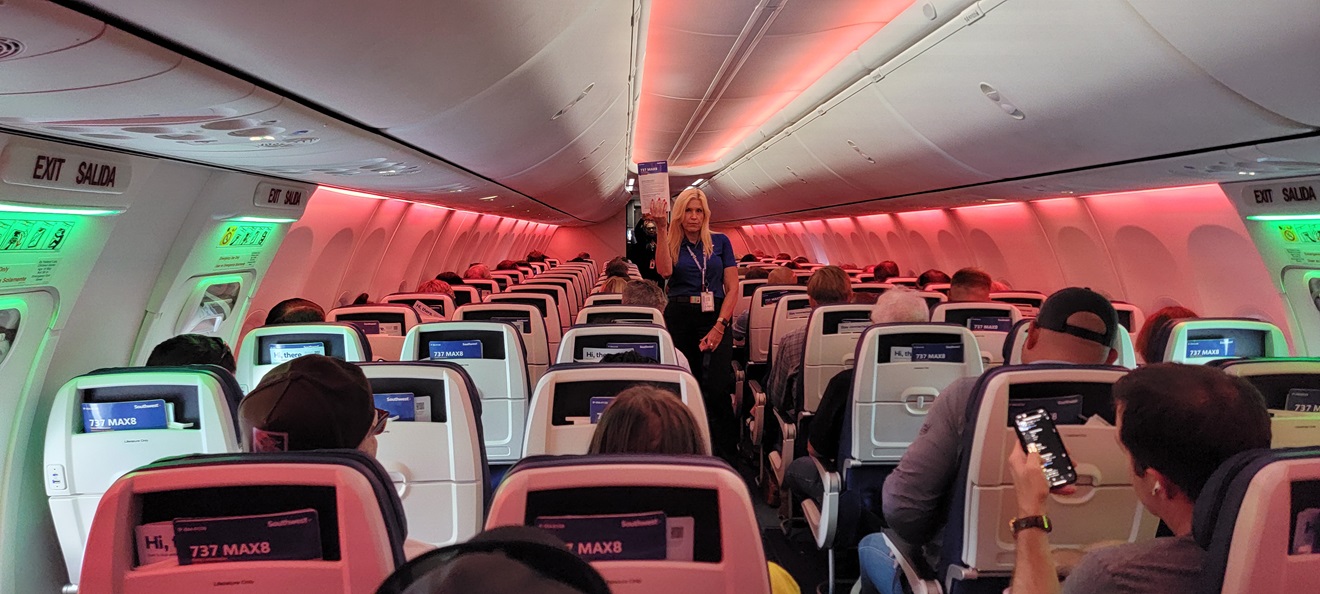
They don’t fly long haul international and didn’t have partners, which meant they didn’t just lose the business of their customers when those customers flew abroad (and many chose to give other airlines their business because they could use all of their flying to earn status that way) but they also couldn’t offer Europe and beyond as an enticement to frequent flyers to get and spend on their credit card. So they were losing out on revenue that’s fueling profits for the rest of the industry.
Southwest needed to make changes but they didn’t need to give up what made them special. And though the airline will keep spinning that everything they do is successful (just as they did before making these changes!), their activist investor is selling off at what could be the top.
More From View from the Wing
Link da fonte