Three weeks ago I shared that AAdvantage 2026 changes leaked online early and then were quickly pulled from the website. Those changes are now live, and they’re exactly as-expected.
- No changes to elite status qualification levels
- Some changes to benefit choices at various Loyalty Point Reward levels
- Eliminating and capping partner earning bonuses.
It’s this change to partner earning bonuses that’s a big deal for some – those who earn status via partner activity like shopping portal purchases are seeing a devaluation. But it’s also a big deal because, combined with eliminating mileage-earning on basic economy fares, it signals a shift in program strategy.
- Currently, members earn a 20% Loyalty Point bonus on eligible partner transactions after 60,000 Loyalty Points. The bonus increases to 30% once you reach 100,000 points.
- This will change to a single 25% bonus after hitting 60,000 Loyalty Points. It lasts for six months, and is capped at 25,000 bonus Loyalty Point.
Two years ago American Airlines made an Investor Day presentation where they pitched the only strategy they could, given the way they’d allow their assets to erode: their unique advantage was domestic small city flying across the South and the AAdvantage program.
After they’d retired so many widebody aircraft during the pandemic, and if they weren’t going to order more (indeed, they’ve deferred deliveries of some 787s), this was all they had. But their approach to AAdvantage was actually innovative.
- AAdvantage gave customers a reason to stick with American. Their miles were pitched as explicitly more valuable than competitors’.
- Their credit card charge volume had fallen from #1 in travel to #3. But their method of granting status based on nearly all partner activity was a real boost.
- Similarly, they viewed basic economy as a gateway into the program. It wasn’t just a way to punish flyers for buying cheap fares. Discretionary leisure travelers would get introduced to the program and hopefully engage, and take the airline’s co-brand card.
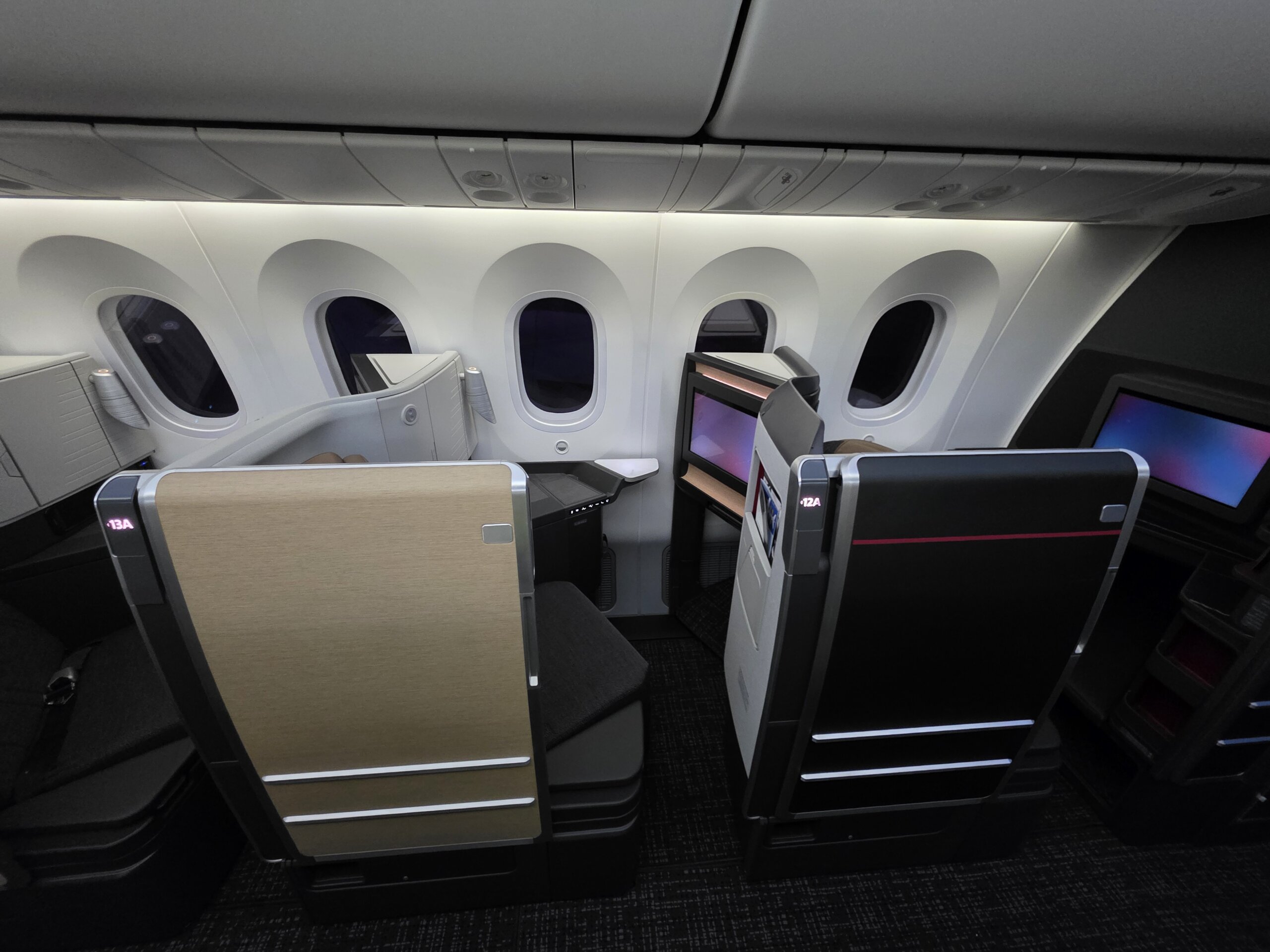
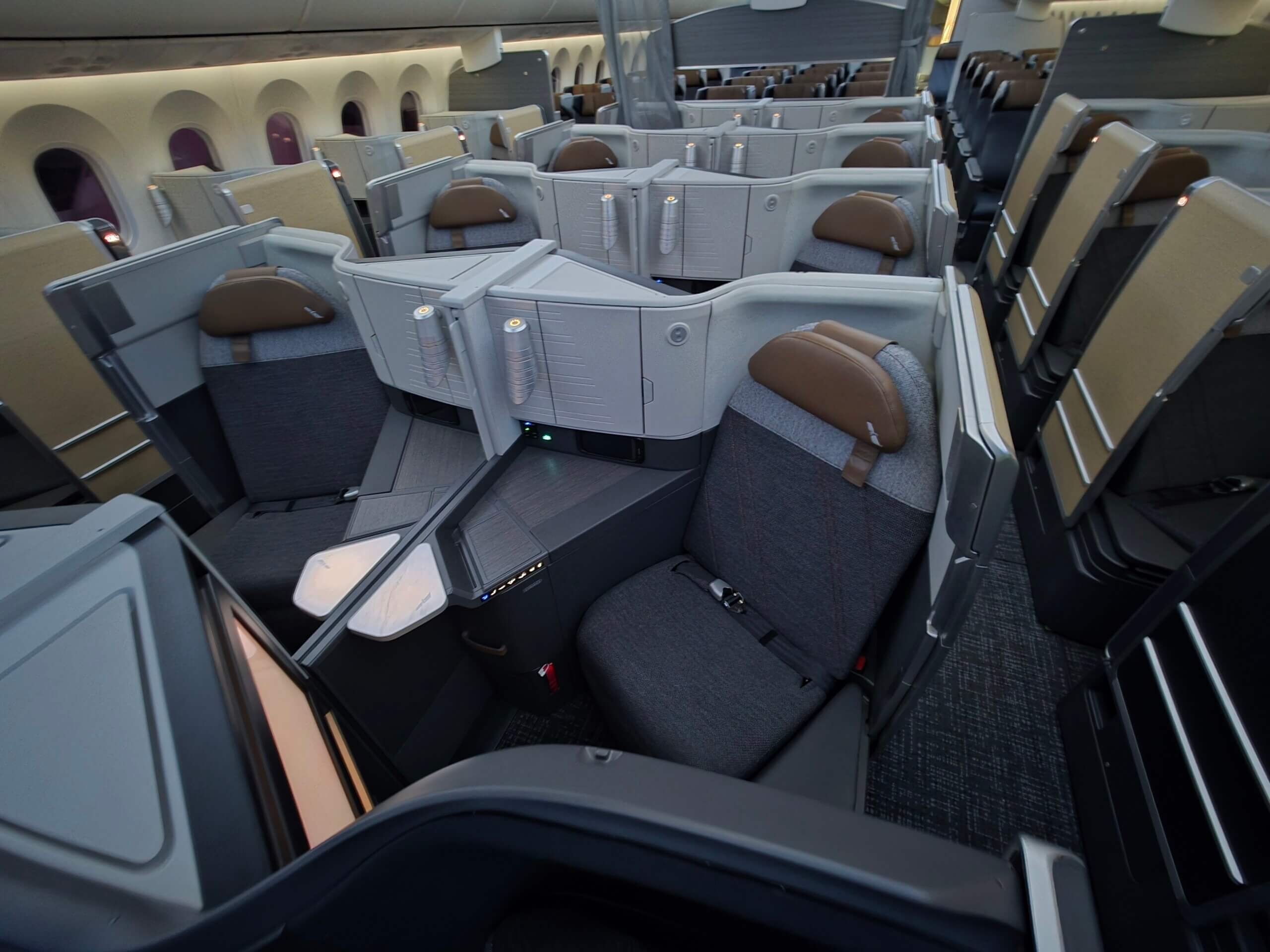
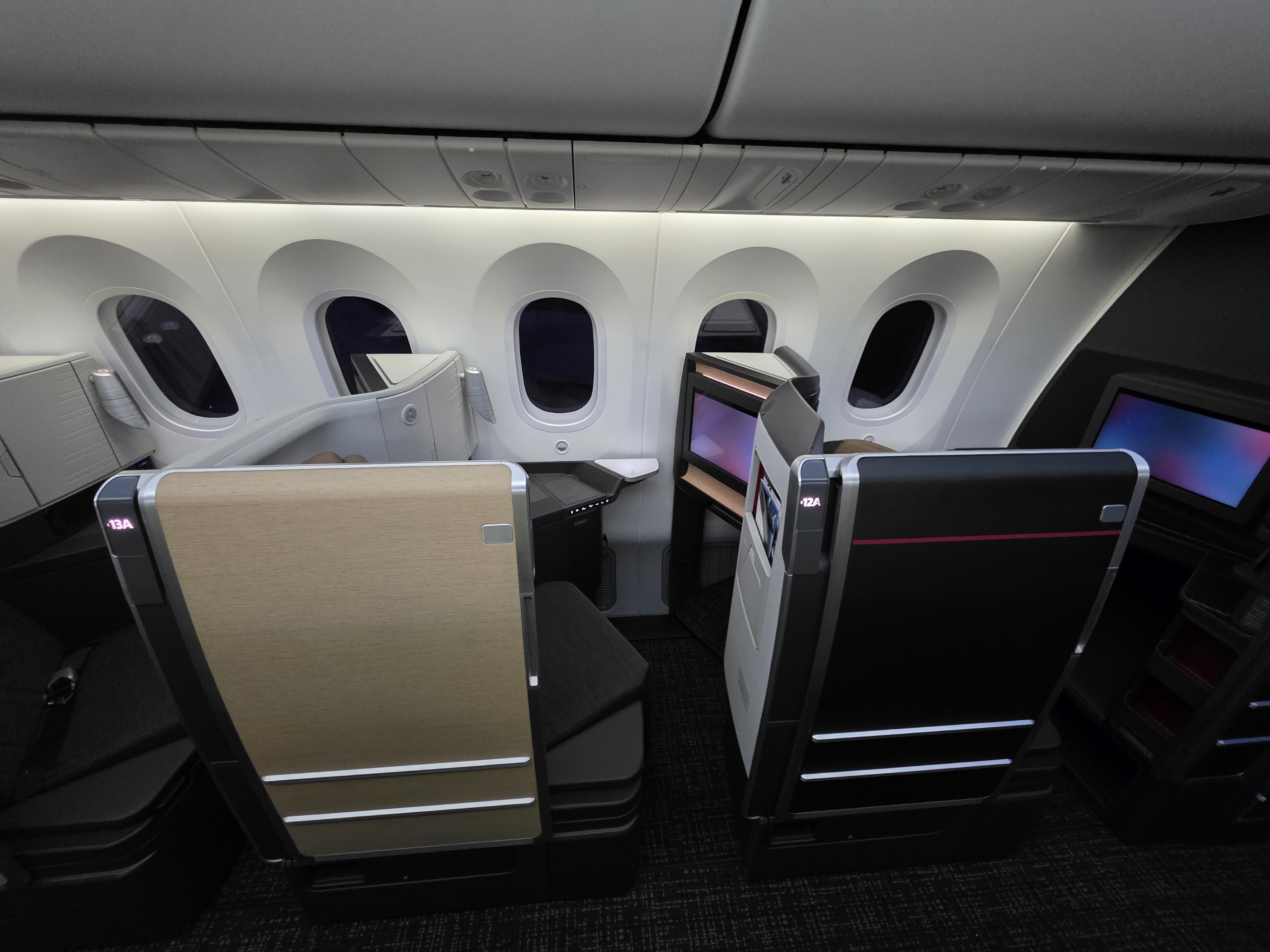
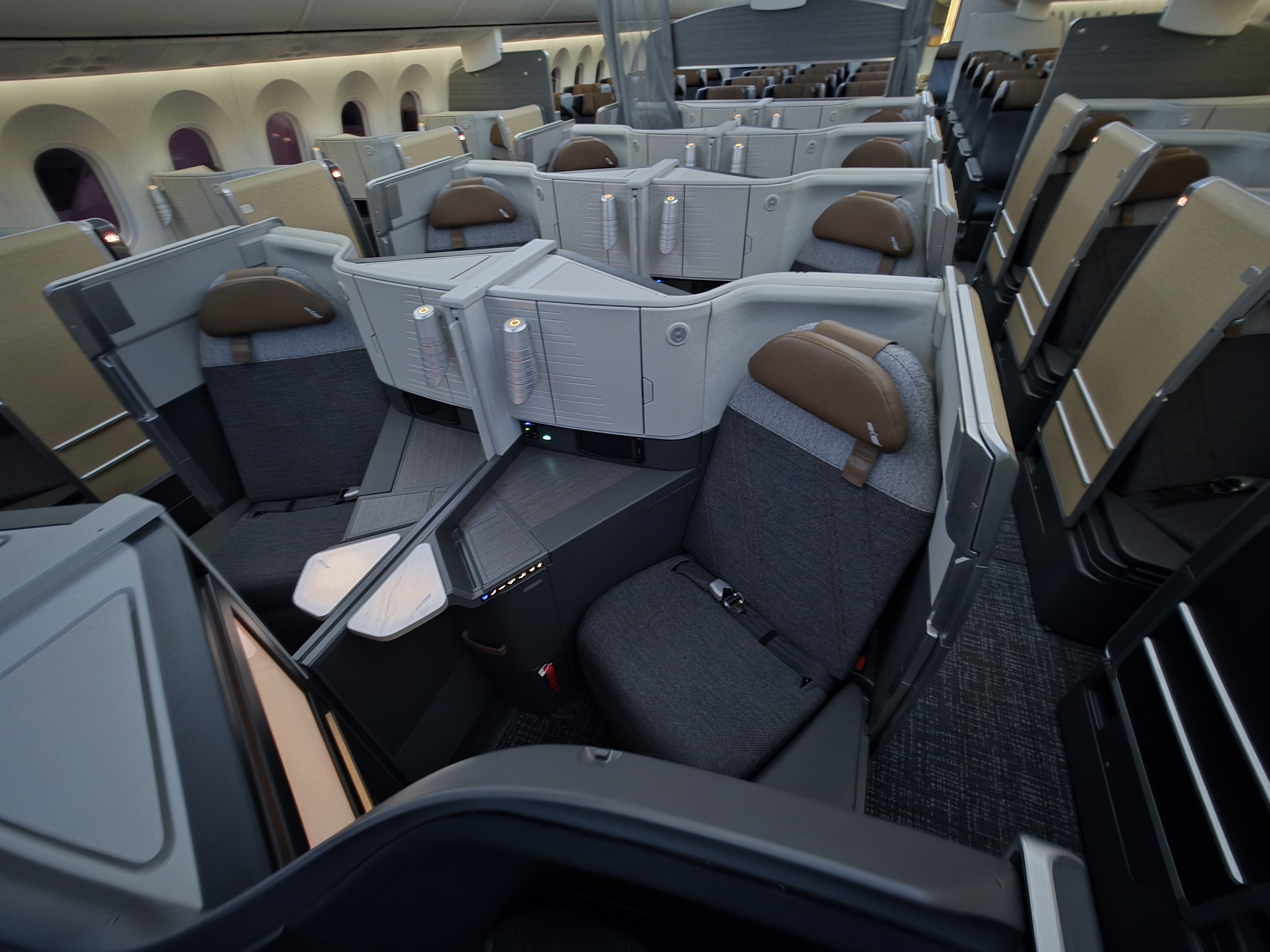
When talking about the desire of customers for premium, answer was AAdvantage. Now their answer is premium seats, clubs, and more customer-friendly policies.
- These changes are expensive, and they seem to be looking for pay-fors.
- And they’re giving customers a reason to choose the airline other than just AAdvantage.
Cutting basic economy mileage-earning can save a few dollars per basic economy passenger. And now that they’re offering free inflight wifi if you join AAdvantage, the bet becomes that drives signups and they don’t need basic economy mileage-earning to do it.
I’d take a different approach. I’d test eventual credit card conversions from pure inflight program signups versus those signing up with a basic economy ticket first, seeing which one generates cardmembers, before considering this change. My hunch is that those with some miles in their account would be more likely to take the card than someone who just signs up for the wifi.
Nonetheless, they seem to view wifi as the gateway into the program rather than basic economy and rather than both. This is a risky move for an airline that still doesn’t earn much (anything, really) flying planes – it generates all its net revenue from its Citibank partnership. That’s why CEO Robert Isom spends money on his Citi / AAdvantage Executive World Elite Mastercard even though he doesn’t need the miles, the lounge membership, or the contribution towards status.
As for the change to partner-earning bonuses, I suspect they didn’t get as much juice from it as hoped. But they really didn’t market it or explain it consistently to members. When logged-in, an eligible member should see old earning rates crossed out and higher (bonused) earning rates displaying. They should see it’s because of the tiers they’ve already hit, encouraging them to go higher. American never did any of this!
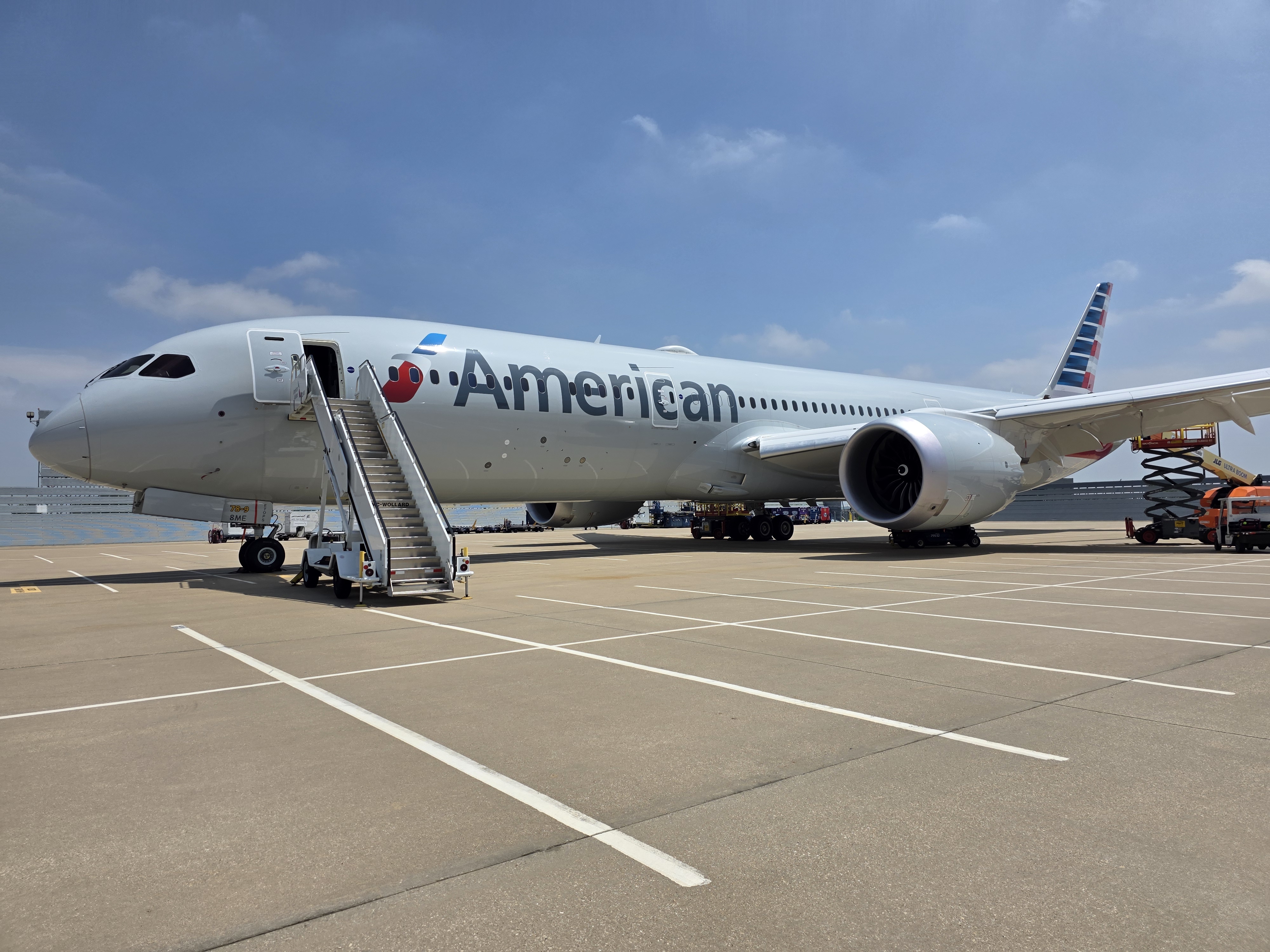
Now, though, they seem to be betting that AAdvantage is no longer the only reason to fly American and they can be a bit less generous with status, while cutting costs. They’re spending a lot of money now on premium experiences and to compete in places like Chicago.
And Robert Isom’s first admonition to employees upon assuming the role of CEO to ‘never spend a dollar you don’t have to’ dies hard. They may have replaced the strategy but they haven’t replaced the wartime-on-costs consigliere CFO.
American is still pretty clearly the best program among U.S. major airlines. However, too many of their partners restrict award availability to their own members now. I take the controversial view that AAdvantage is better, even, than Alaska’s Atmos Rewards because (1) Alaska’s award pricing on their own flights is terrible, (2) there’s still very limited ability to combine different airline partners on an award, and (3) they won’t even sell an infant ticket on a partner award.
It’s just that they seem to be chipping away slightly at the program, as they no longer lean exclusivity on it to attract flyers – seemingly forgetting that marketing for them isn’t an expense line, it’s a profit center, and it’s important to keep investing in it.
More From View from the Wing
Link da fonte