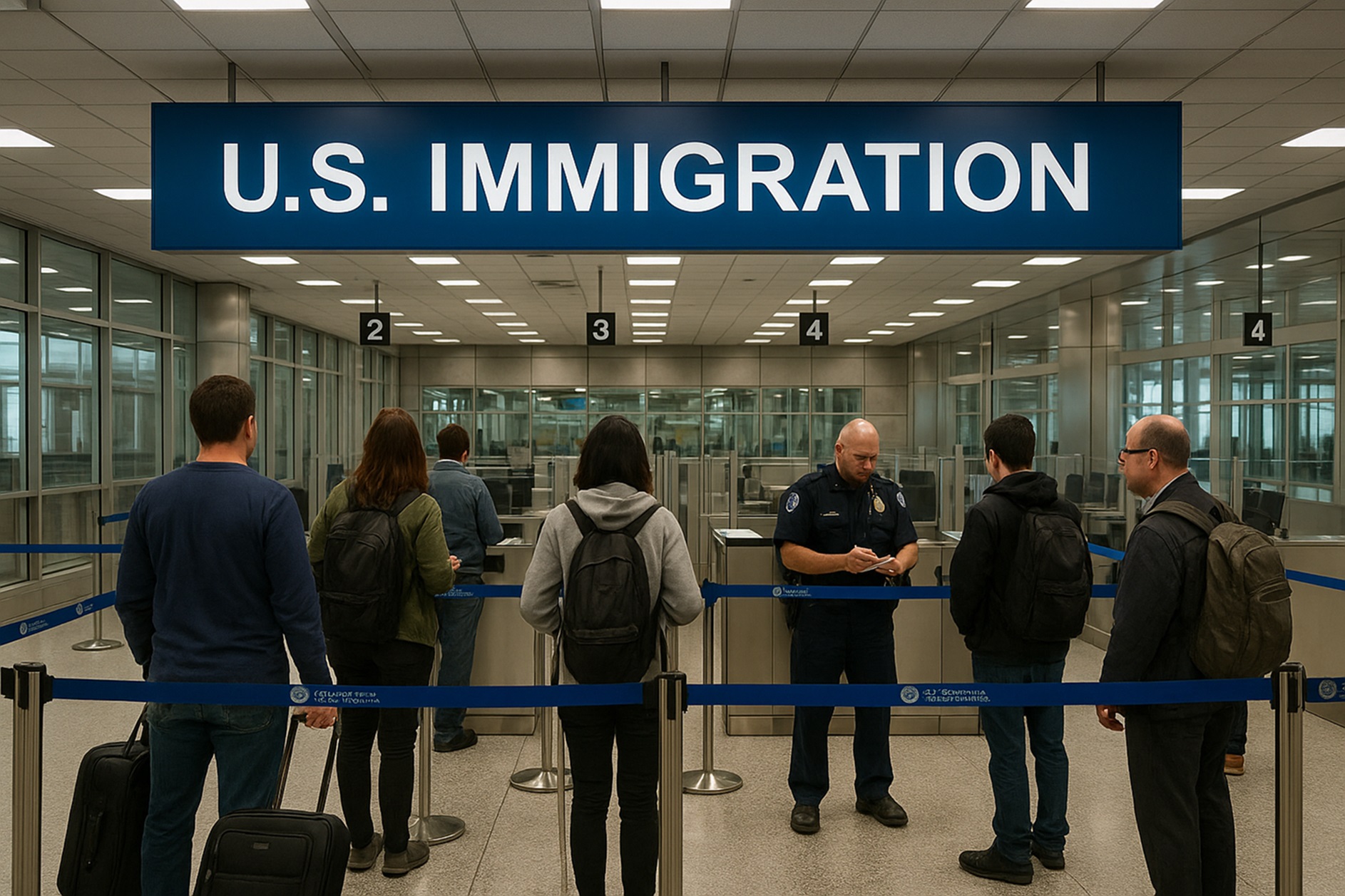
A woman returning from from Cabo flew to Tijuana and then crossed over the U.S. land border into San Diego. Officers scanned her passport and attempted a live photo match. They took her picture five times but the system still wouldn’t verify her identity. She was pulled aside and taken to a separate area – a locked glass room – “There were handcuffs on the chairs, but I was not handcuffed.”
She wasn’t allowed to use her phone and was separated from her fiancé. Officers asked the same series of personal questions repeatedly, re-scanning her passport and taking photos over and over – “more than 20” attempts.
- Officers said her eyes looked different than on her passport, they looked “more open” in the passport photo.
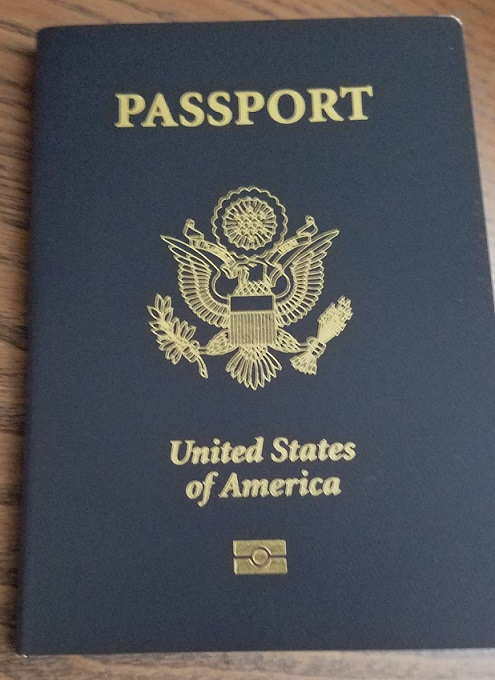
- Her passport photo was taken when she was 18. It’s 10 years later, at the end of her passport’s validity.
She says they eventually unlocked the doors and told her she was free to go, with no paperwork, explanation, or guidance for future travel.
“There were handcuffs on the chairs, but I was not handcuffed.”
“They said my eyes were different.”
“If you’ve made drastic changes or aged a decent amount, get a new photo… It’s not worth it.”
@juliaaannb
U.S. Customs and Border Protection tablet captures a live photo and compares it to the traveler’s image on file. If it can’t resolve, an officer may conduct additional screening. She’s subsequently replaced her passport and hasn’t had problems.
People do have problems when they don’t look anything like their passport photo and the TikTok trend a couple of years ago of photo shoots to create hot passport photos turned into something of a nightmare.
However, it seems like this becomes less of an issue with biometrics. Photos already weren’t always helpful because Americans might often look alike to passport officers in other parts of the world, and vice versa. Plus, people gain and lose weight all the time. Probably more so with the popularity of Ozempic.
More From View from the Wing
Link da fonte