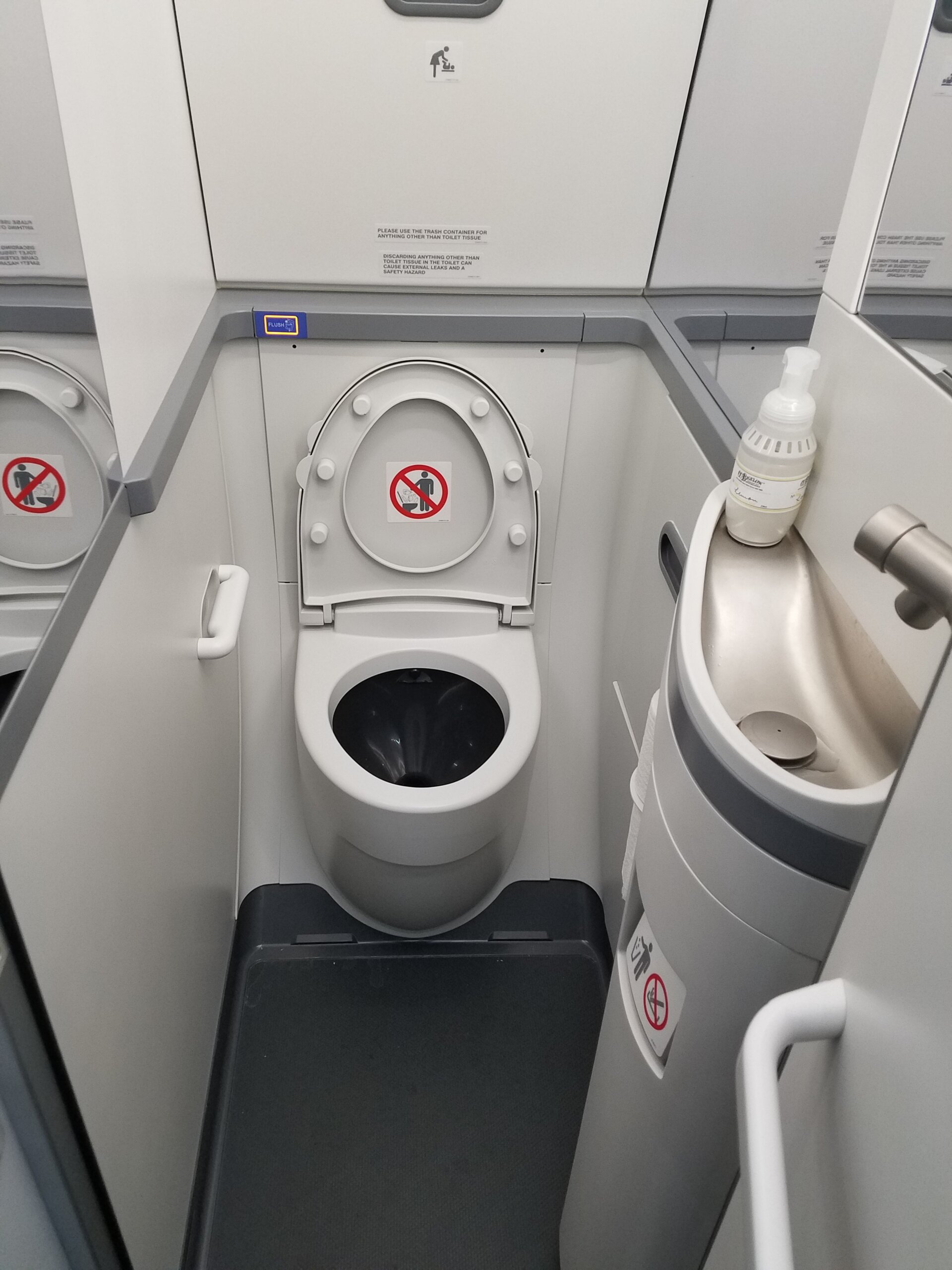
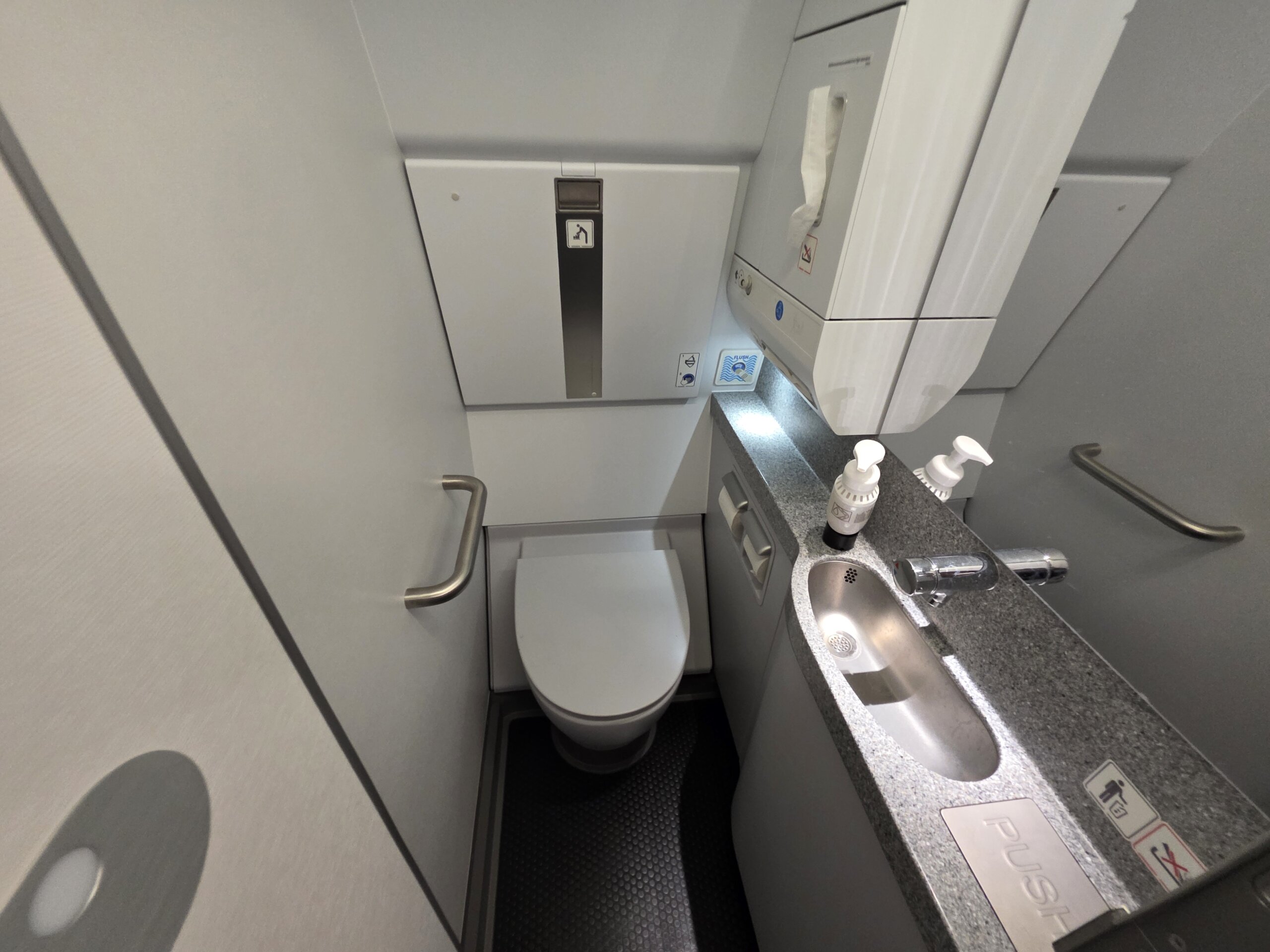
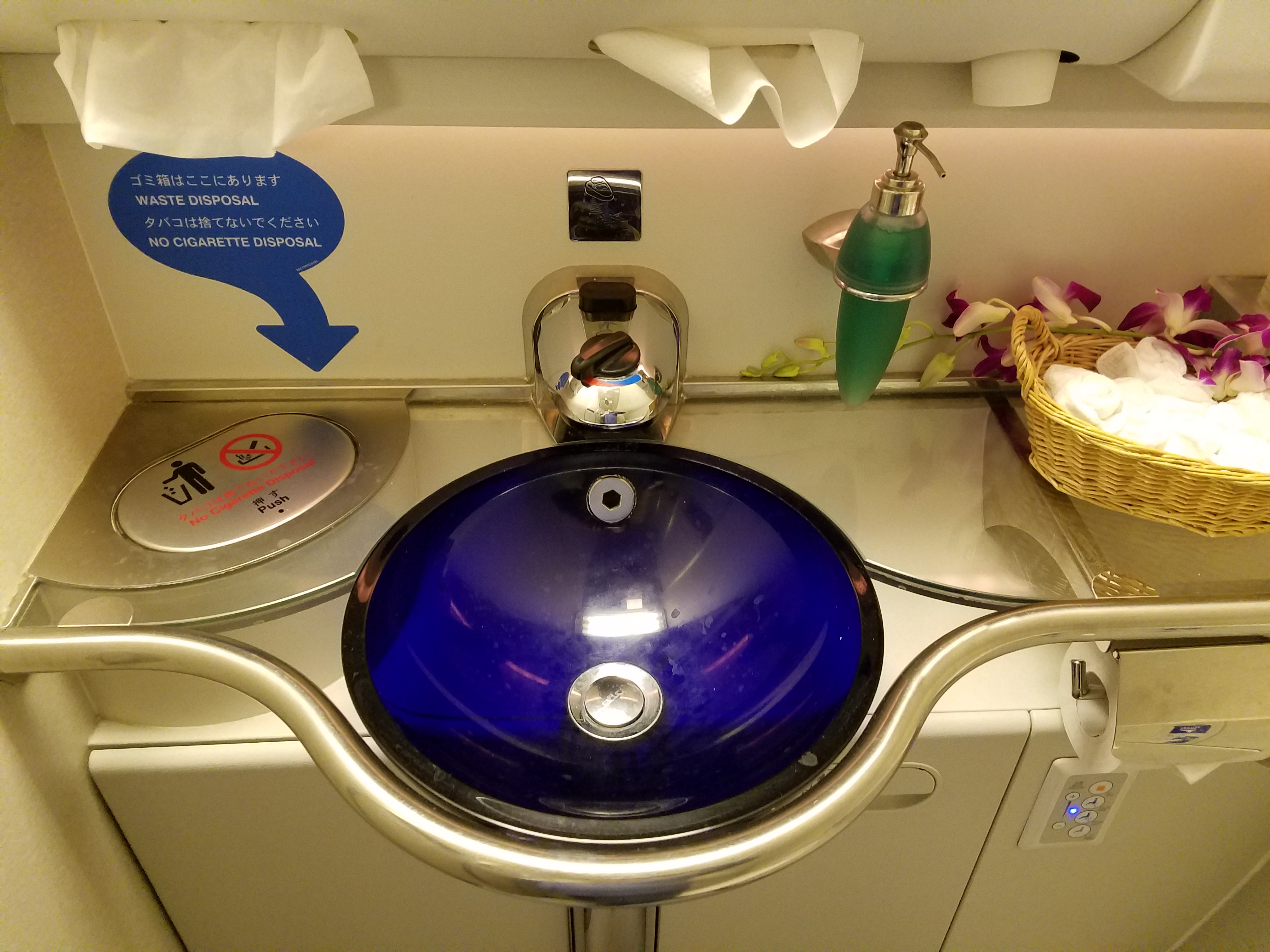
I asked the flight attendent if they could do something and they said, no, its not their job but I could clean it myself or use the bathroom in the back of the plane. They were kind enough to give me towels to clean.
Here’s the thing, on U.S. airlines it actually isn’t the job of the flight attendant to clean up after passengers in the lavatory, although several things go into just how bad things get.
- Number of lavatories per passenger>. Airlines that try to cram in extra seats and the expense of lavatories will see lavatories become messier, simply because more people are using each other.
- Size of the lavatories. Airlines that cram in more seats by squeezing the lavatories into less space will see dirtier bathrooms because passengers don’t have room to maneuver, drop things and don’t bother to pick them up (it takes effort just to turn around) and because the sinks aren’t as deep (the trash may be below it, or storage) and water sprays everywhere and paper towels and tissues wind up awkwardly placed.
- How much spare toilet paper, soap and paper towels get boarded – another area some airlines skimp.
- Ground cleaning investment turn time – how much time cleaners are afforded and whether cleaning is just a lowest-cost provider exercise.
- Passenger behavior – some routes, especially ‘visiting friends and family’-style leisure routes, will see higher loads placed on lavatories.
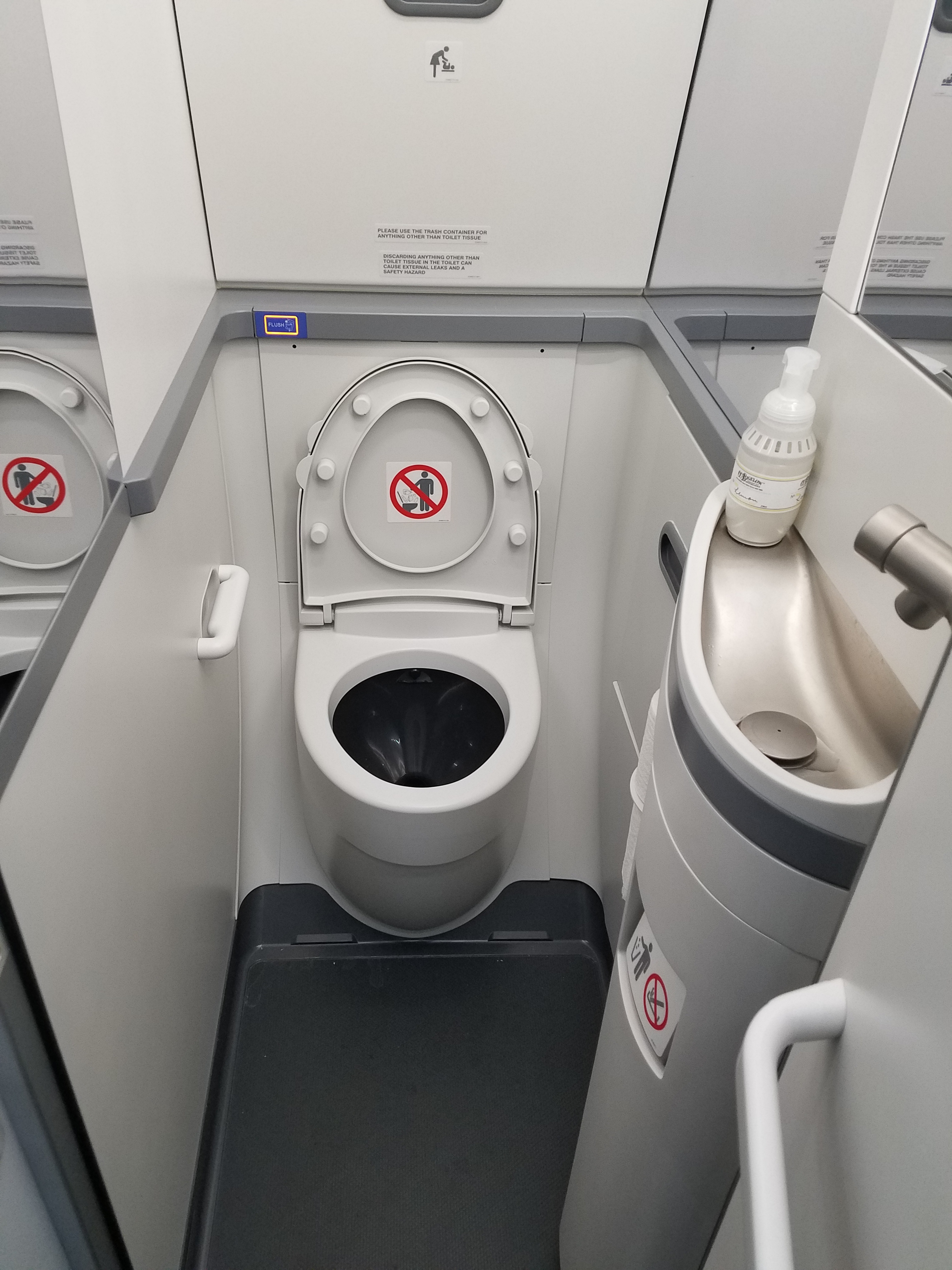
American Airlines Boeing 737 Lavatory
But at the end of the day, what responsibility the airline takes for cleaning the lavatories during flights is a major differentiator. American Airlines – like other U.S. airlines – takes the position that’s effectively not much.
Here’s the AFA-CWA flight attendant contract Q&A for American’s regional carrier Envoy Air.
A Flight Attendant is not responsible to groom an aircraft in a hub city and can only be required to assist grooming in an outstation where ground time is less than thirty (30) minutes; grooming shall mean straightening seatbelts and collection of magazines and newspapers if time permits. Flight Attendants shall not be required to reach into seat-back pockets.
…d. Flight Attendants will not be required to clean the aircraft
..a Flight Attendant does NOT clean the aircraft whether you are in a hub or outstation. A Flight
Attendant picks up trash that fits in a gray bag while in the air.
American’s mainline flight attendant contract is also explicit on cleaning, and even generally excludescleaning on flights over 1,000 miles. The union also doesn’t allow cabin crew to do cleaning that violates the scope provision of another union-represented work group employed by the company.
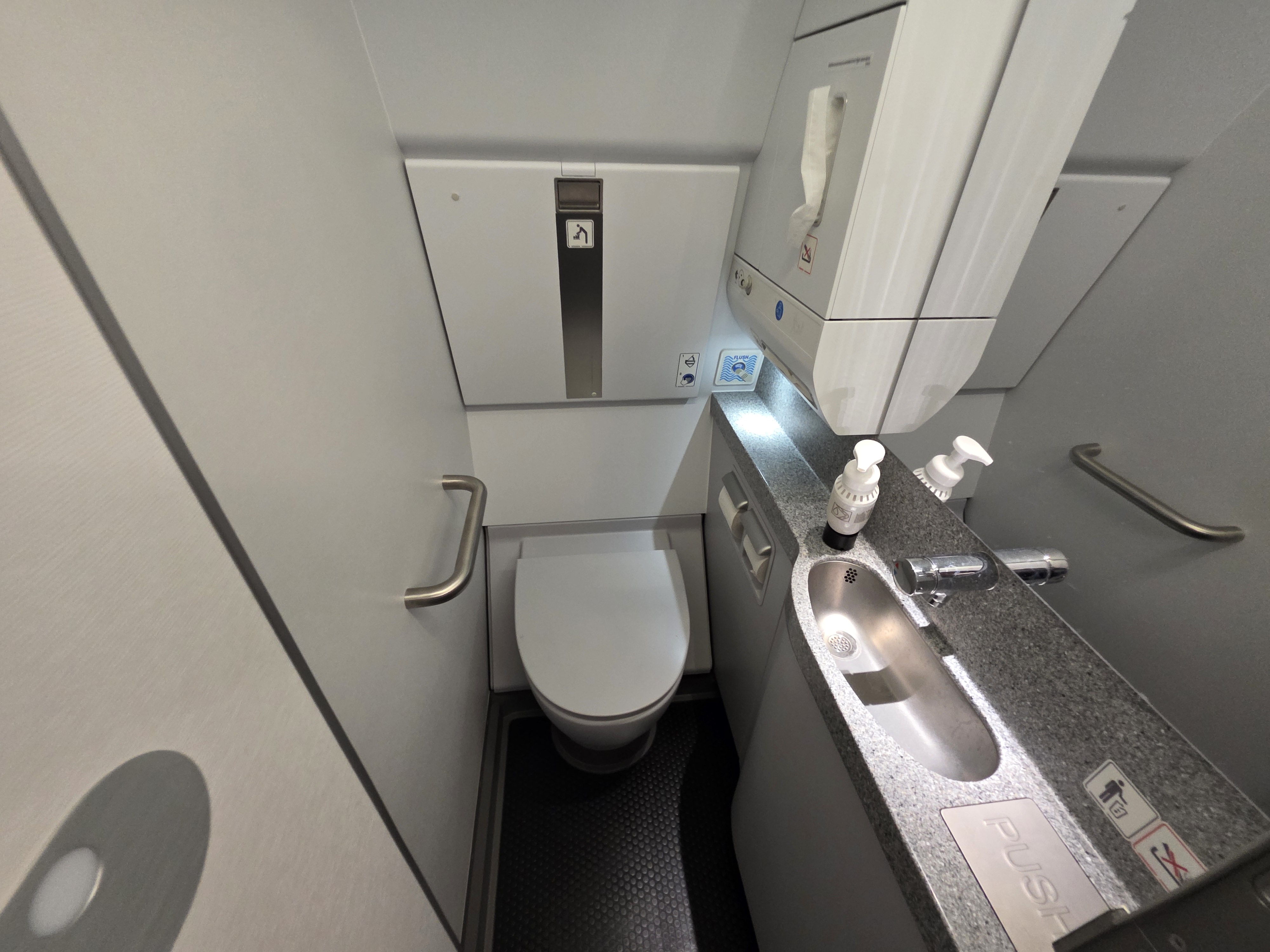
American Airlines Airbus A321XLR Lavatory
Here’s an older Southwest Airlines flight attendant agreement that’s explicit on not being resposible for cleaning up bodily fluids.
Broadly speaking, in the U.S. and Canada unionized carriers have defined what cleaning means for flight attendants (e.g. trash, visible items only), carve out biohazards, and limit responsibilities based on time of day, layover, and end of duty day. They also have language to avoid having flight attendants do work covered by other work group contracts. That cashes out as flight attendants doing inflight housekeeping, but not cleaning.
Interestingly, you’ll find that at ultra-low cost carriers in Europe flight attendants do more: “easyJet cabin crew clean the cabin interior.”
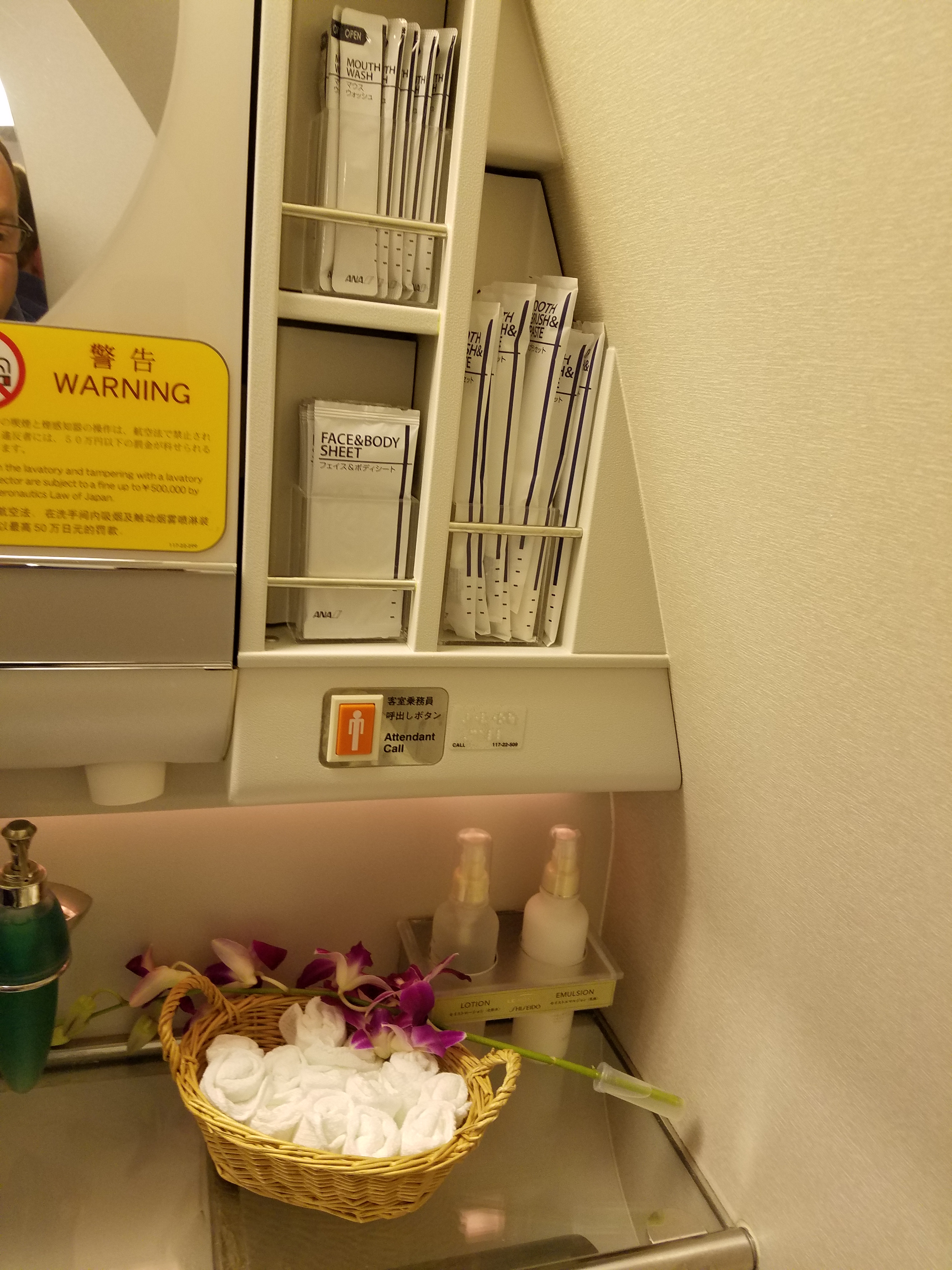
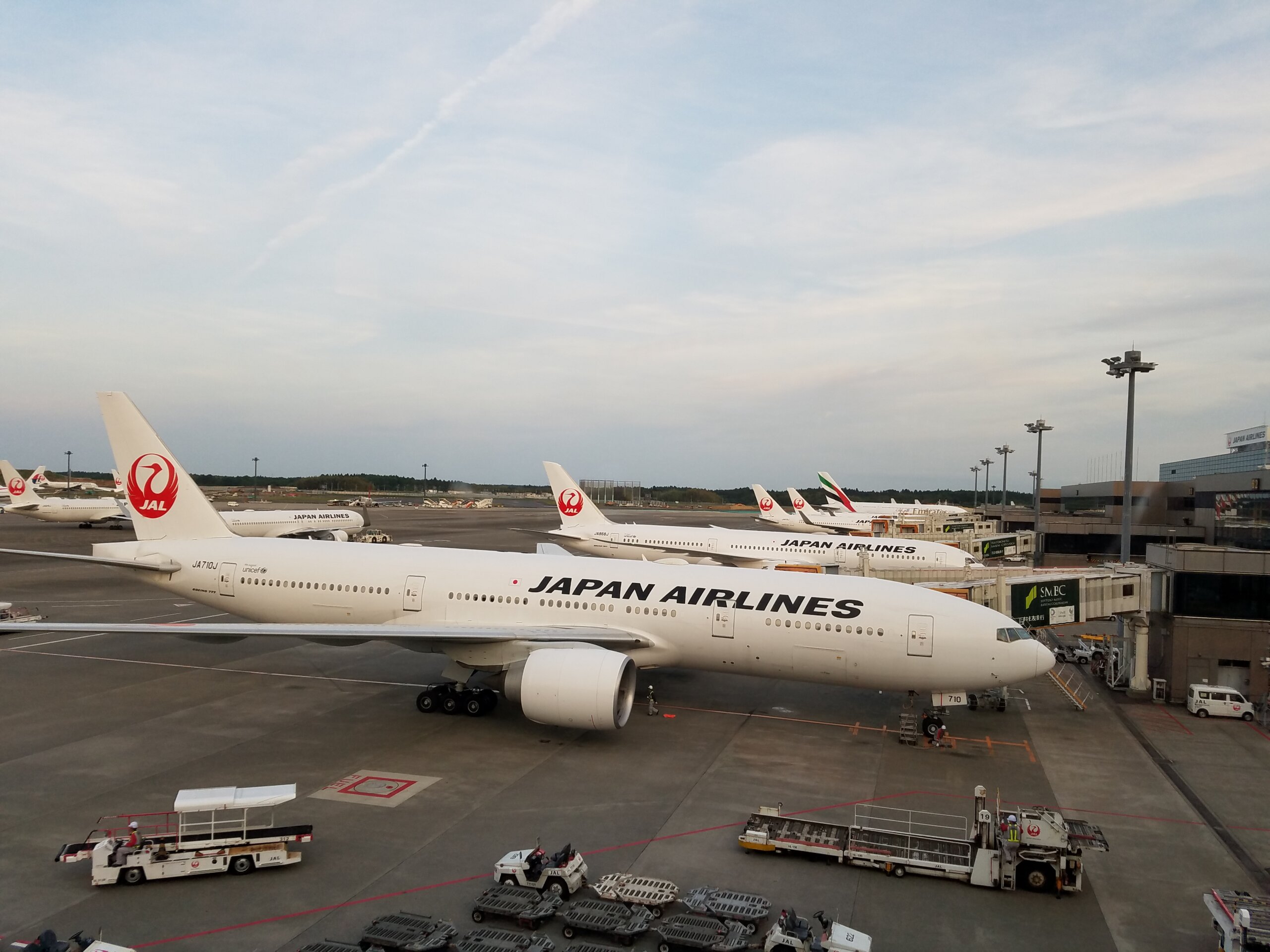
You get an entirely different approach across the Mideast and Asia. For instance, Japan Airlines frames maintaining cabin and restroom cleanliness as part of a flight attendant’s ongoing safety checks and passenger monitoring.
And ANA literally runs a Cabin Cleaning Skill Contest among staff responsible for cabin cleaning, with timed events and detailed task lists. Cleaning at the airline is treated as a professional function, not a task to be avoided.
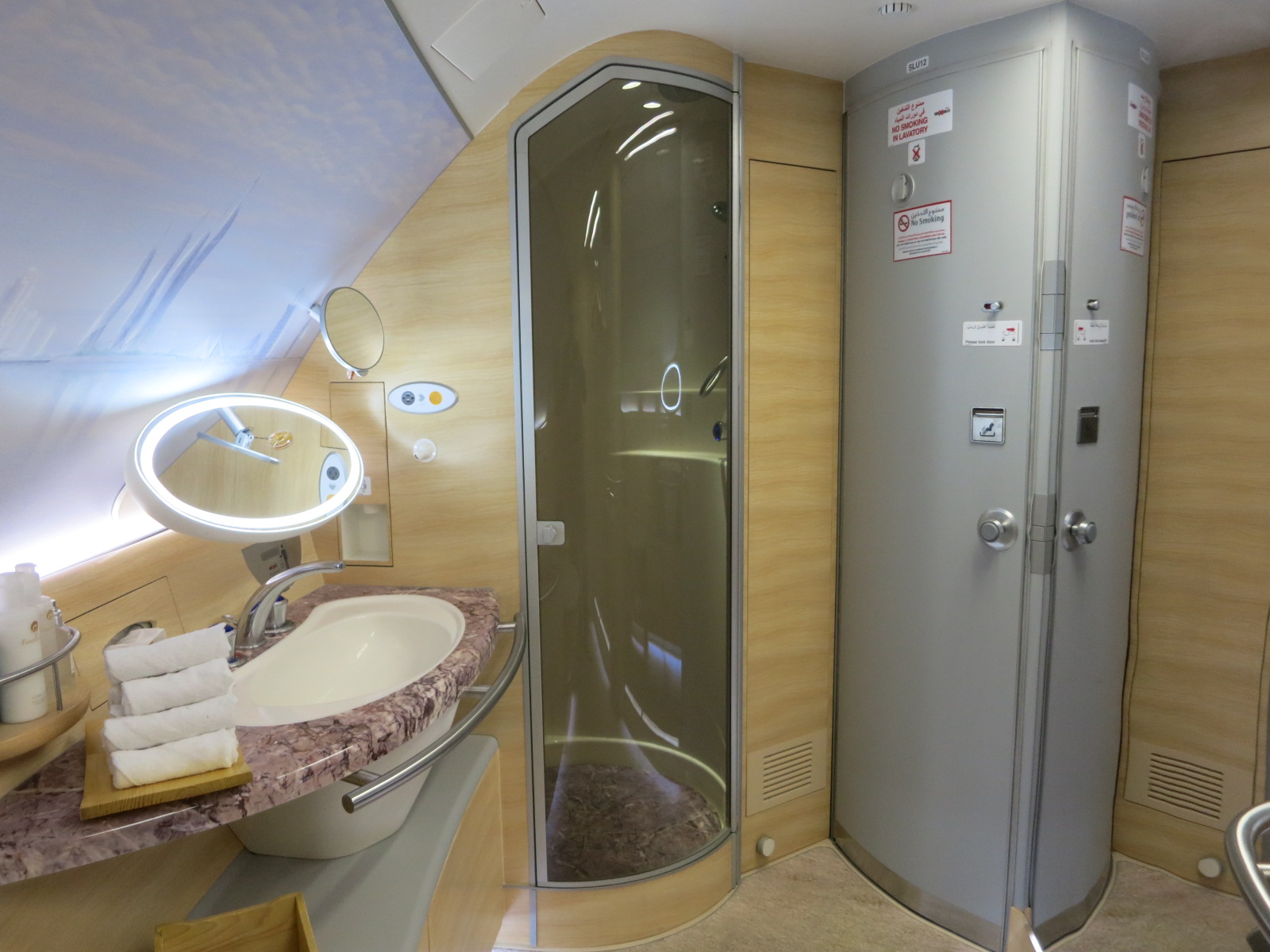
Emirates has separate cabin service assistants who are responsible for cleaning the Airbus A380 first class shower spas, but also take on duties refreshing other restroooms on the aircraft as well.
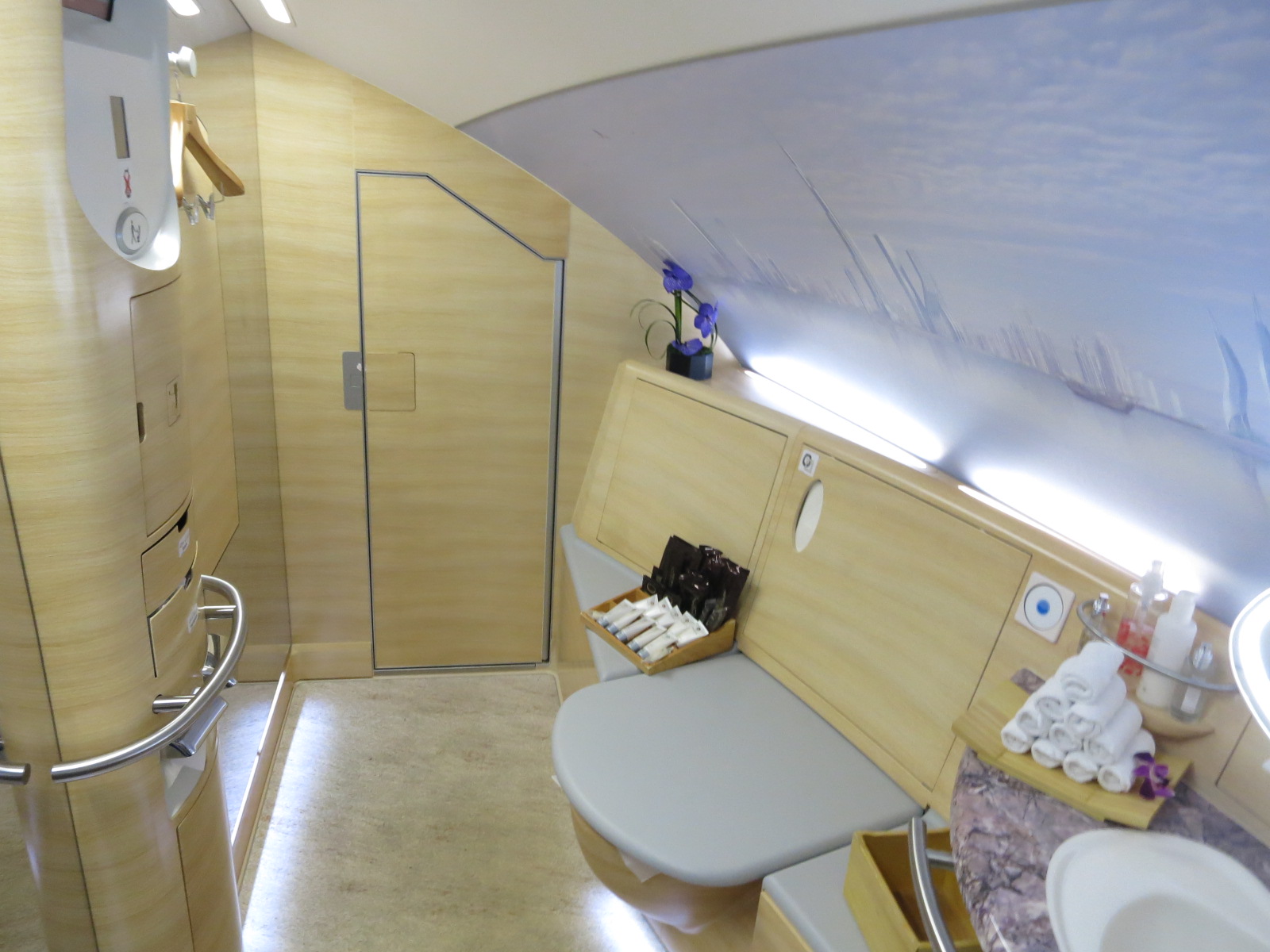
At the end of the day, this isn’t really about whether coach passengers can use the forward lav, it’s about airlines choosing a service model where nobody onboard is expected to keep the most basic shared space usable once it goes bad, and an aircraft layout that makes it that much more likely to go bad in the first place.
More From View from the Wing
Link da fonte


![Best Credit Card Offers Right Now Up To 200,000 Points In Bonuses For Premium Travel [February 2026]](https://euhan.com.br/wp-content/uploads/2025/12/20171102_114942-768x576.jpg)