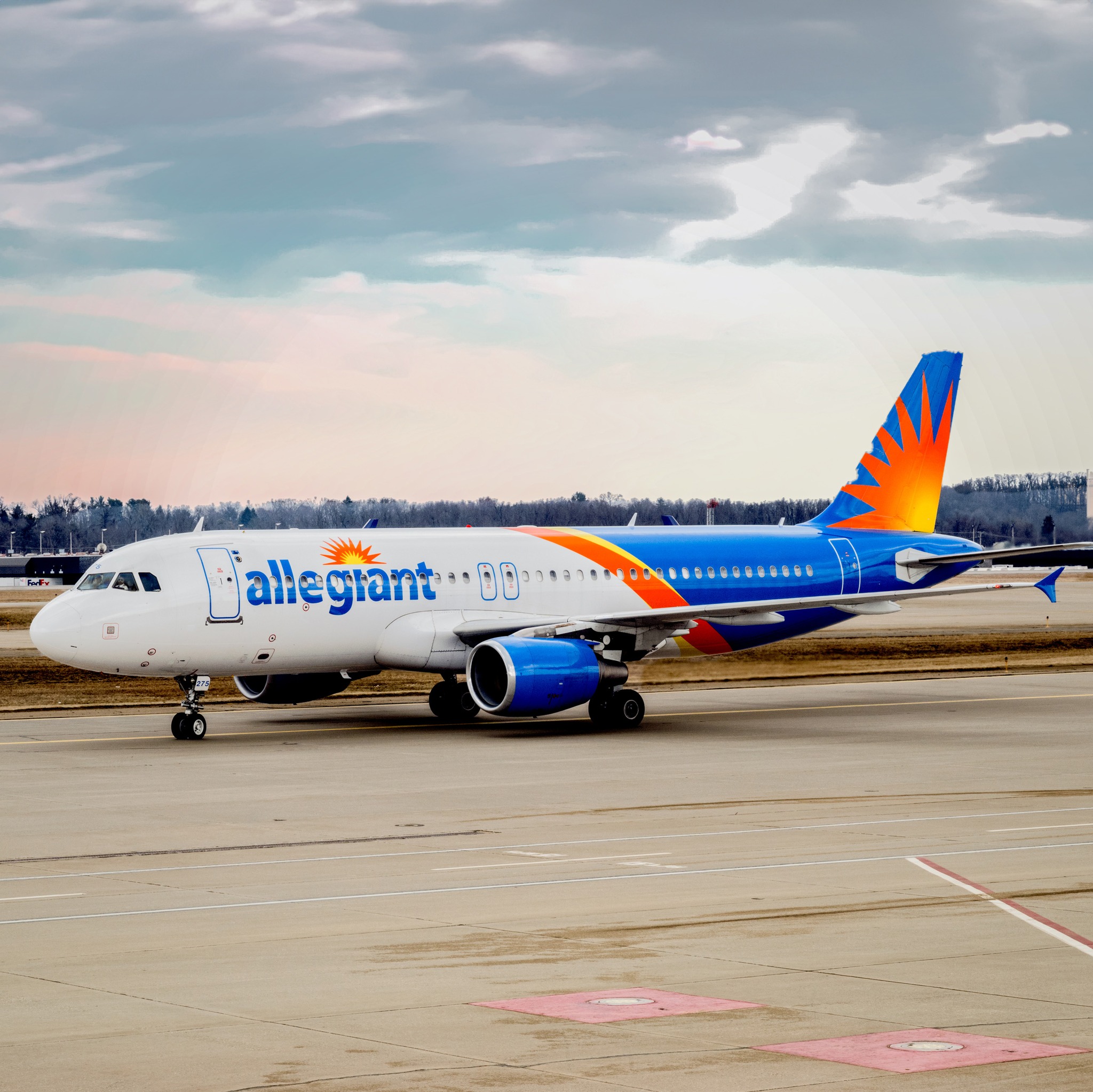
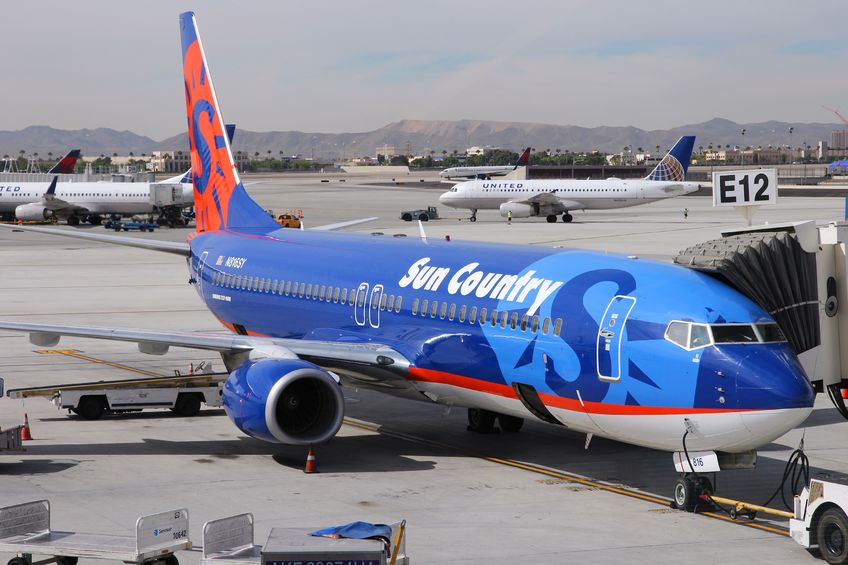
Allegiant announced a deal to buy Sun Country for $1.5 billion, including $400 million in net debt. Against Sun Country’s $207 million adjusted EBITDA, tat values them at a 7.2x multiple before synergies.
- Sun Country shareholders will receive 0.1557 shares of Allegiant and $4.10 cash for each of their shares, a 19.8% premium over Sun Country’s Friday closing price and an 18.8% premium over the 30-day volume-weighted average price.
- Allegiant shareholders will own 67% of the combined company, while Sun Country shareholders will hold 33%.
Índice
The pair claims the deal will yield $140 million in annual synergies by year 3, and that it will be earnings-accretive in the first year. This mostly comes from selling across each others’ route networks.
The deal is expected to close in the second half of the year, subject to antitrust clearance, regulatory approvals, and both shareholder votes. It will yield:
- 22 million annual customers, nearly 175 cities, 650+ routes.
- 195 aircraft at close, with 30 on order and 80 options.
- And Allegiant can finally go international.
While the airline’s headquarters will be in Las Vegas, they promise to maintain a “significant presence” in Minneapolis–St. Paul.
While my impression was that Sun Country had higher labor costs than Allegiant, actually looking at the numbers in SEC filings tells me that labor unit costs are actually pretty much identical for the two.
- Sun Country 2024 salaries/wages/benefits were $326.8 million on 8.072 billion available seat miles for 4.05 cents per ASM.
- Allegiant 2024 salaries/benefits were 4.06 cents per ASM.
Allegiant is the surviving managements, but its board expands to 11 with Sun Country CEO (and former Allegiant President) Jude Bricker along with 2 additional Sun Country directors joining. It’s not clear to me how long that lasts beyond integration.
Why This Deal Makes Sense
Sun Country is anchored to Minneapolis for scheduled flights and runs charter and Amazon cargo. Allegiant flies small-city-to-leisure destinations. Together they can improve aircraft utilization and reduce seasonality.
Allegiant already started bringing 737 MAXs into the fleet, so buying a Boeing narrowbody carrier isn’t a problem and even creates a path to longer-run fleet simplification (even if they keep Airbus for a long time). The two airlines are sub-scale. There really could be opportunities for synergies. And this opens the path to international for Allegiant.
Why This Deal Is Risky
They’re promising synergies that are primarily revenue-based (‘more options across a combined network’). Mergers are complex and costly. Even with similar labor costs overall, integrating work groups is hard and will drive costs up.
Fleet complexity between the two doesn’t go away quickly. They’re doubling down on “diversified fleet” of Airbus and Boeing, which essentially means separate pilot groups, training pipelines and maintenance ecosystems for a long time. But integrating pilot seniority lists will entitle pilots to move across equipment if they wish, and that entails training costs too.
It’s Been Rumored Forever, Now It’s Almost Real
Jude Bricker selling Sun Country to his former employer is the most obvious move in the airline industry. There’s a certain logic to it. These are two low cost leisure airlines that haven’t struggled as mightily as Frontier or especially Spirit. And this lets them grow. They could easily lose focus, become overwhelmed by the complexity of integrating the airlines, and lose control of costs. But there’s upside, the carriers are well-run, and there’s a good chance they can make this work.
There’s probably not a lot to get excited about here, Sun Country is an important counterweight to Delta in Minneapolis and Allegiant is important if you want to fly from Mesa, Ariza to Pasco, Washington at 4 p.m. on a Thursday.
More From View from the Wing
Link da fonte