Airline partnerships can be complicated, and if you’re a frequent flyer, maybe you’ve wondered who exactly is paying when your ticket gets you lounge access. If you’re flying Lufthansa business class and have Star Alliance Gold status with United MileagePlus, who pays for lounge access? What about if you’re flying in economy?
I think it’s something that many people are curious about, so let’s talk about what we know…
Which party is paying for your airport lounge access?
Obviously there are many different ways to access airport lounges nowadays. Maybe you get access through your first or business class ticket, maybe you get access through your elite status, or maybe you get access through Priority Pass. In many cases, the logistics can also get complicated, so let’s talk about that.
Each of the big three airline alliances — oneworld, SkyTeam, and Star Alliance — have their own airport lounge access policies. However, which party foots the bill for lounge access seems to be pretty consistent between the alliances:
- The operating carrier (the airline you’re flying with) is on the hook for the cost of lounge access first, assuming the class of service you’re traveling in entitles you to access the lounge
- If you’re gaining lounge access based on your elite status rather than based on the class of service you’re traveling in, then the airline with which you have status foots the bill
- One added wrinkle is that in some cases, the marketing carrier rather than the operating carrier pays for lounge access; in other words, if you’re on a codeshare flight, the airline that sold you the ticket (and has its “code” on the flight) may be on the hook for paying the lounge access cost
- Note that this policy doesn’t differ based on whether you’re on a revenue or award ticket; so if you redeem United MileagePlus miles for travel on Ethiopian Airlines and have your Star Alliance Gold number from Singapore KrisFlyer on the reservation, United wouldn’t be on the hook for paying for lounge access
Note that some people claim that with oneworld, the operating carrier is always on the hook for paying for lounge access, even if status is through another program. However, it’s my understanding that this used to be the policy, but it changed a few years back. If anyone knows definitively, please do let me know…
Let’s use a “lounge hopping” example, in the case of London Heathrow Terminal 3, which is great for oneworld flyers. Say you have oneworld Emerald status through American AAdvantage, and are traveling British Airways business class:
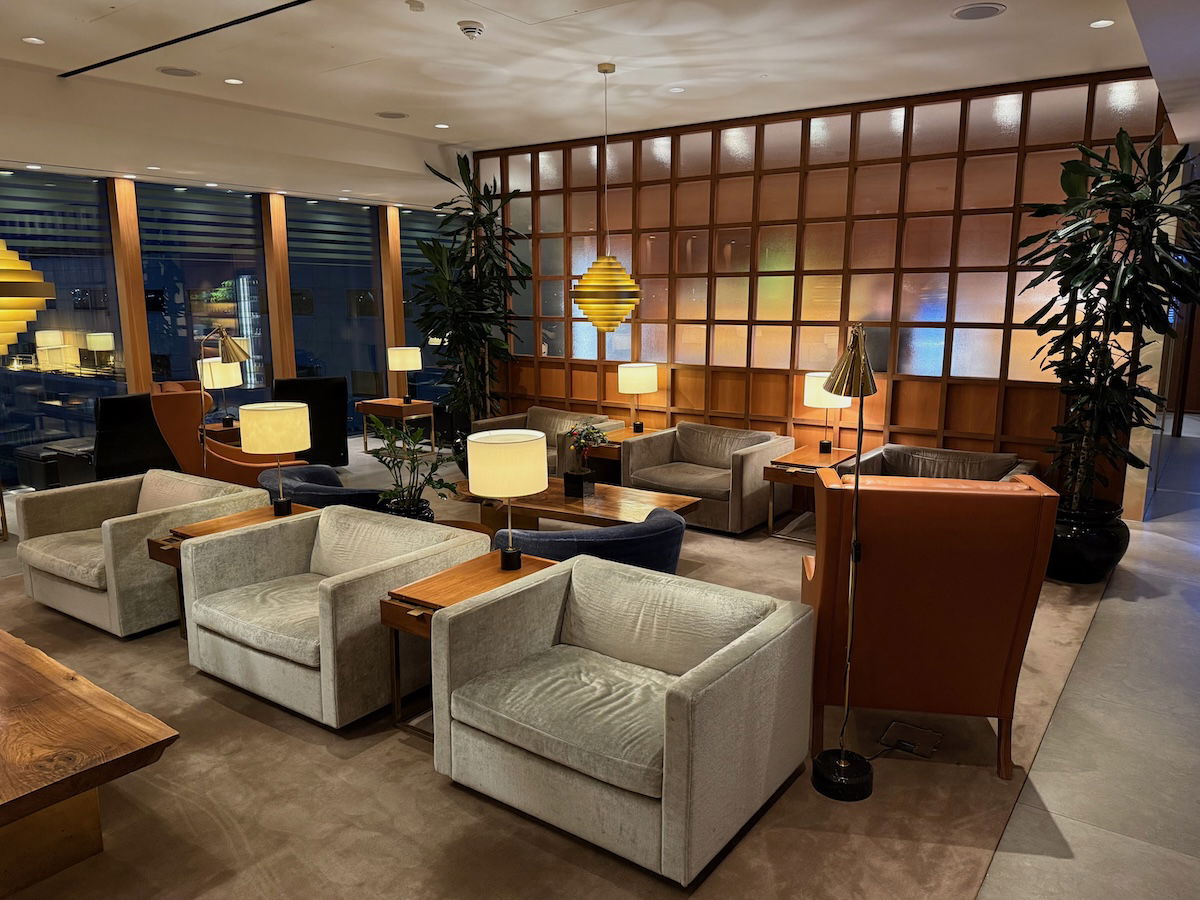
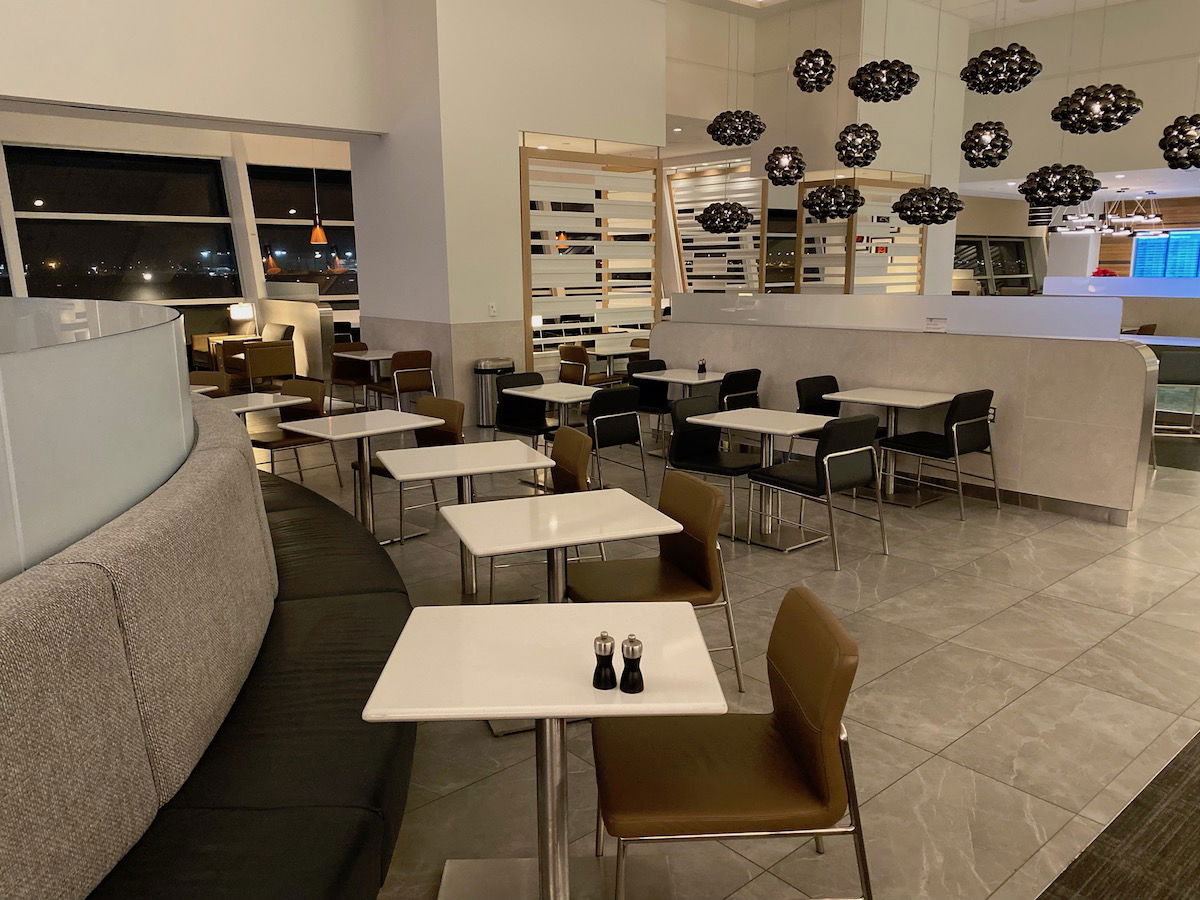
- British Airways would foot the bill for any lounges you could access based on your business class ticket, like the American Admirals Club, British Airways Galleries Club Lounge, Cathay Pacific Business Lounge, and Qantas Lounge
- American would foot the bill for any lounges you could only access based on your oneworld Emerald status, like the American International First Lounge, British Airways Galleries First Lounge, and Cathay Pacific First Lounge
If your ticket were instead in economy, American would be on the hook for paying for all your lounge access.
For programs like Priority Pass, the individual lounges are paid by the program for each visit that a member makes. Then Priority Pass either sells memberships directly to consumers or to credit card companies at a fixed cost, and essentially takes a risk on how much people will use lounges.
Of course Priority Pass loses money on some customers, but a vast majority of customers are likely very profitable (it’s no different than the economics of virtually any other subscription service).
One carve-out is that I understand that Priority Pass also has a direct billing model with some credit card partners, where the credit card partner gets billed per visit, rather than there being a fixed fee. However, that’s the exception rather than the norm, as I understand it.
How much is being paid for your airport lounge access?
So, when you access a lounge, how much money is actually being paid for you to use it? The answer is very much “it depends,” as there’s not a single amount that’s consistent.
Based on what I’ve heard (and these are ballpark figures), you can generally expect that access to a business class lounge belonging to a major alliance will be billed at somewhere around $50 per person, and a contract or Priority Pass lounge will be billed at somewhere around $30 per person. Meanwhile for first class lounges, the reimbursement rate could even be a bit higher than that.
As you might expect, if you go lounge hopping around a terminal, an airline could easily be dropping a couple of hundred bucks on your visits. However, it’s important to remember that this is largely an accounting exercise.
While there’s some imbalance, lounge access obviously goes both ways. Just as you might have American passengers visiting British Airways lounges in London, you’ll have British Airways passengers visiting American lounges in Dallas.
You’ll also notice that in some situations, airlines may try to send you to a contract lounge over a partner airline lounge. In those situations, you’re generally still allowed to use the partner airline lounge, but the reason for this is typically to minimize costs (sometimes capacity is also a consideration). That’s because contract lounges typically charge less for access than alliance lounges.
Bottom line
As a frequent flyer, it’s always fun to do some “lounge hopping,” and check out the different lounges in terminals. Lounge access is typically paid first by the class of service you’re traveling in, and second by your elite status, if that’s higher.
While lounge access can be pretty pricey for airlines, ultimately not much cash necessarily changes hands, since these arrangements go both ways.
Link da fonte