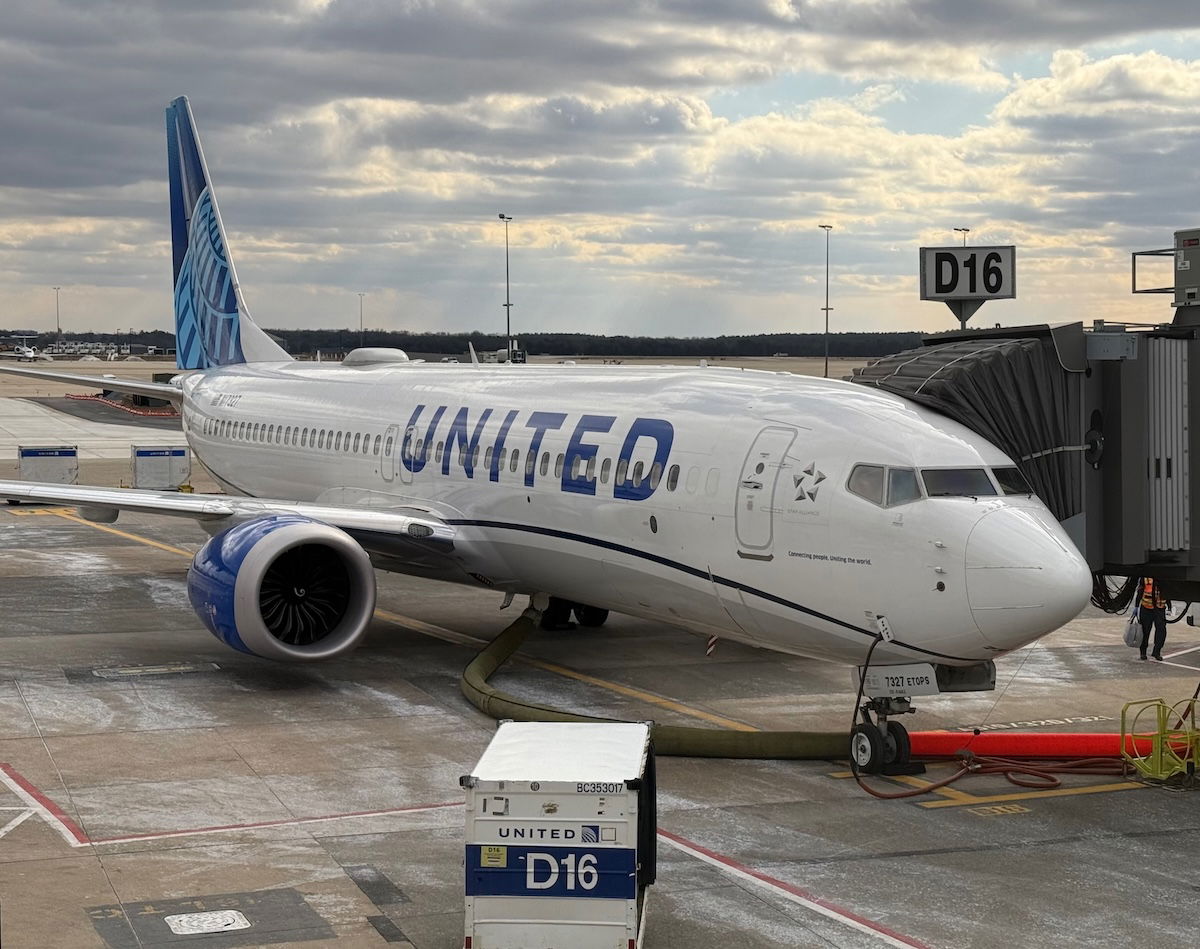
Airlines just can’t seem to catch a break, but then again, that’s nothing new for the industry.
Airlines brace for impact of more expensive jet fuel
The current conflict involving Iran obviously has major geopolitical implications. As it impacts the aviation industry, many airlines have had to adjust their networks to avoid a lot of airspace in the Middle East, which has caused chaos for airlines. For that matter, many people are pushing off their trips, given all the uncertainty.
However, arguably there’s one reality that airlines are most having to come to terms with as a result of what’s happening, and that’s higher jet fuel prices. According to the Argus US Jet Fuel Index, in recent weeks we’ve seen the cost of jet fuel go from just over $2 per gallon, to around $4 per gallon. Suffice it to say that doubling fuel costs has major implications for airlines, as it’s the second biggest expense, after labor.
Back in the day, most US airlines would hedge the price of jet fuel, to avoid the uncertainty. However, that’s not a practice that any US carrier meaningfully engages in anymore, as they’ve found it to be too costly and unreliable.
For context on the amounts we’re talking about, in 2025, United had $59 billion in revenue, while jet fuel expenses were over $11 billion. The company had a net profit of just over $3 billion, so even a roughly 25% increase in oil prices would more or less wipe out the carrier’s profits, assuming all else remains equal.
Reuters reports that a one cent per gallon increase in the cost of jet fuel would cost Southwest $22 million per year, Delta $40 million per year, and American $50 million per year.
United CEO Scott Kirby has already said that a spike in the cost of jet fuel will have a “meaningful” impact on the carrier’s profitability, and that increases in airfare will “probably start quick.”
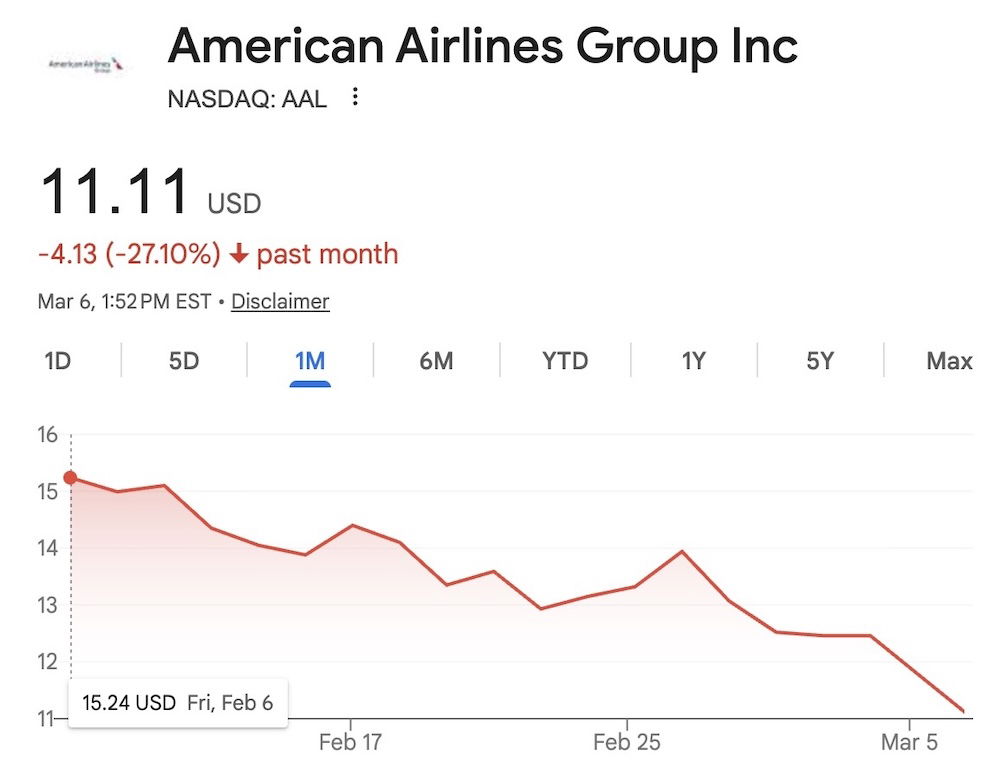
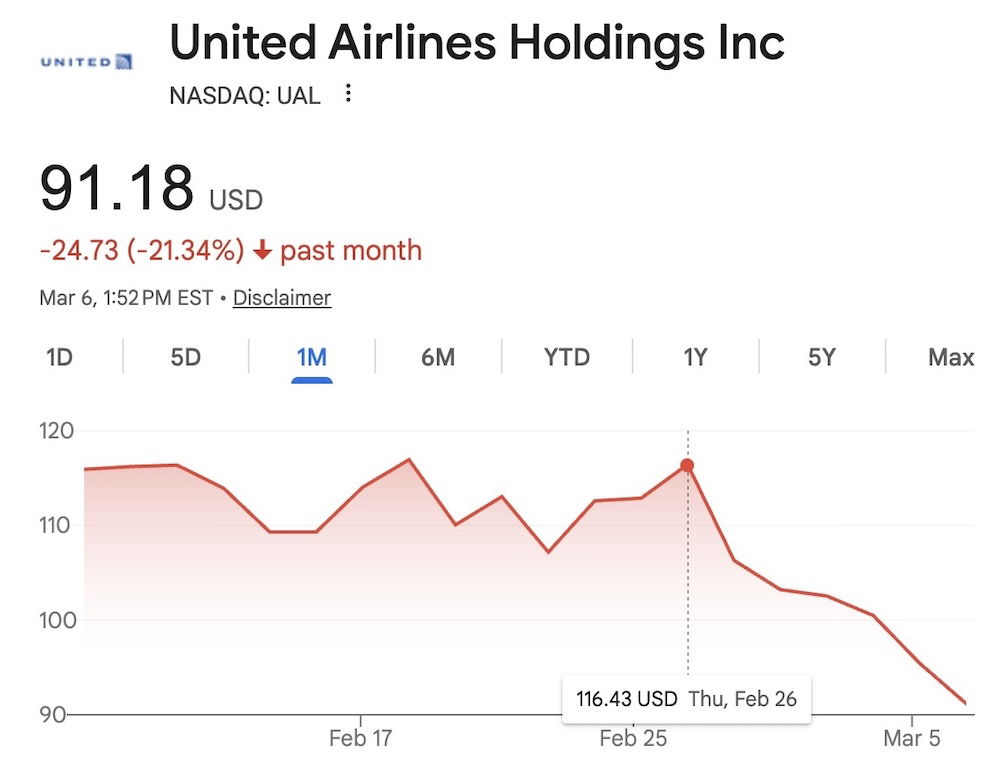
As you’d expect, airline stocks have really struggled in recent weeks. For example, over the past month, American’s stock is down over 27%, while United’s stock is down over 21%. That’s not ideal.
How bad will this situation get for airlines?
It’s anyone’s guess how long this conflict goes on for, and how long the increased oil prices stick around. It’s possible that this is a fairly temporary thing, while it’s possible that this is a new normal that will last for many months.
To state the obvious, if these jet fuel prices are sustained, this is going to be a very rough reality for airlines. Even the most profitable airlines will be struggling to stay in the green, while unprofitable airlines will be losing even more money. This would very much create a situation where basically everyone except the few profitable airlines could be looking at unsustainable losses. Sounds like a great opportunity for United to swoop in and “save” JetBlue, right? 😉
Of course the narrative above from United’s CEO is that airfare will be increased in order to reflect higher oil prices. However, that’s easier said than done. Airlines ultimately price tickets not based on their costs, but rather based on what consumers are willing to pay, in order to fill as many seats as possible.
Airlines aren’t just dealing with higher oil prices, but they’re also potentially dealing with broader economic issues. After all, higher oil prices lead to higher costs across the board, which reduces disposable income, and in turn, demand for flights.
Once certainly has to hope that there will be a positive resolution to this conflict soon, and that something is figured out on the oil front, or else airlines are going to be facing their biggest challenge since the start of the pandemic.
Bottom line
Jet fuel prices are increasing at the moment, and that’s something airlines struggle to deal with, given what a low margin industry it is. While airlines may try to increase ticket prices to recoup costs, that’s easier said than done when they have so many seats to fill, and maximizing revenue is the name of the game.
How do you see this jet fuel price situation playing out for airlines?
Link da fonte