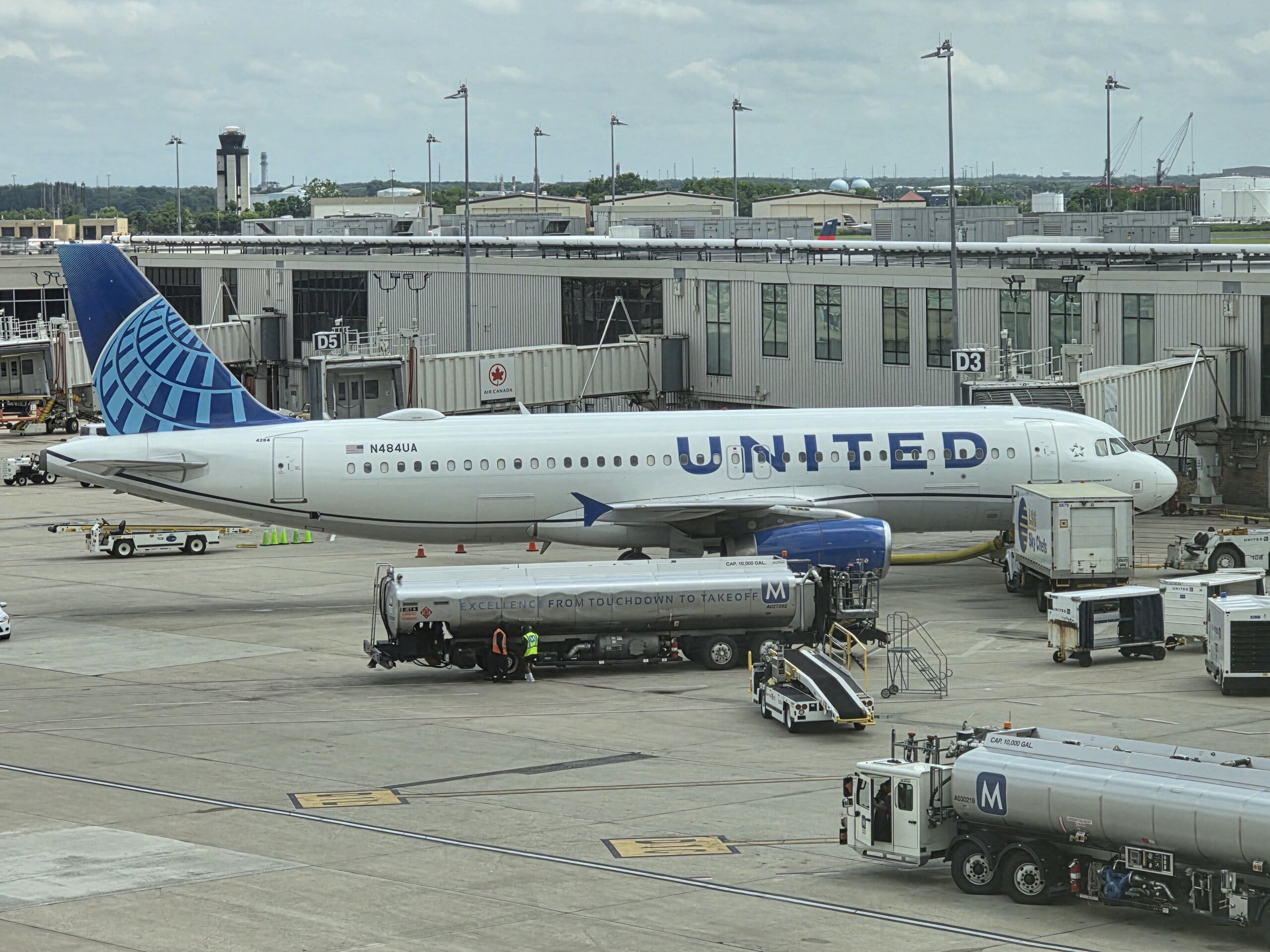
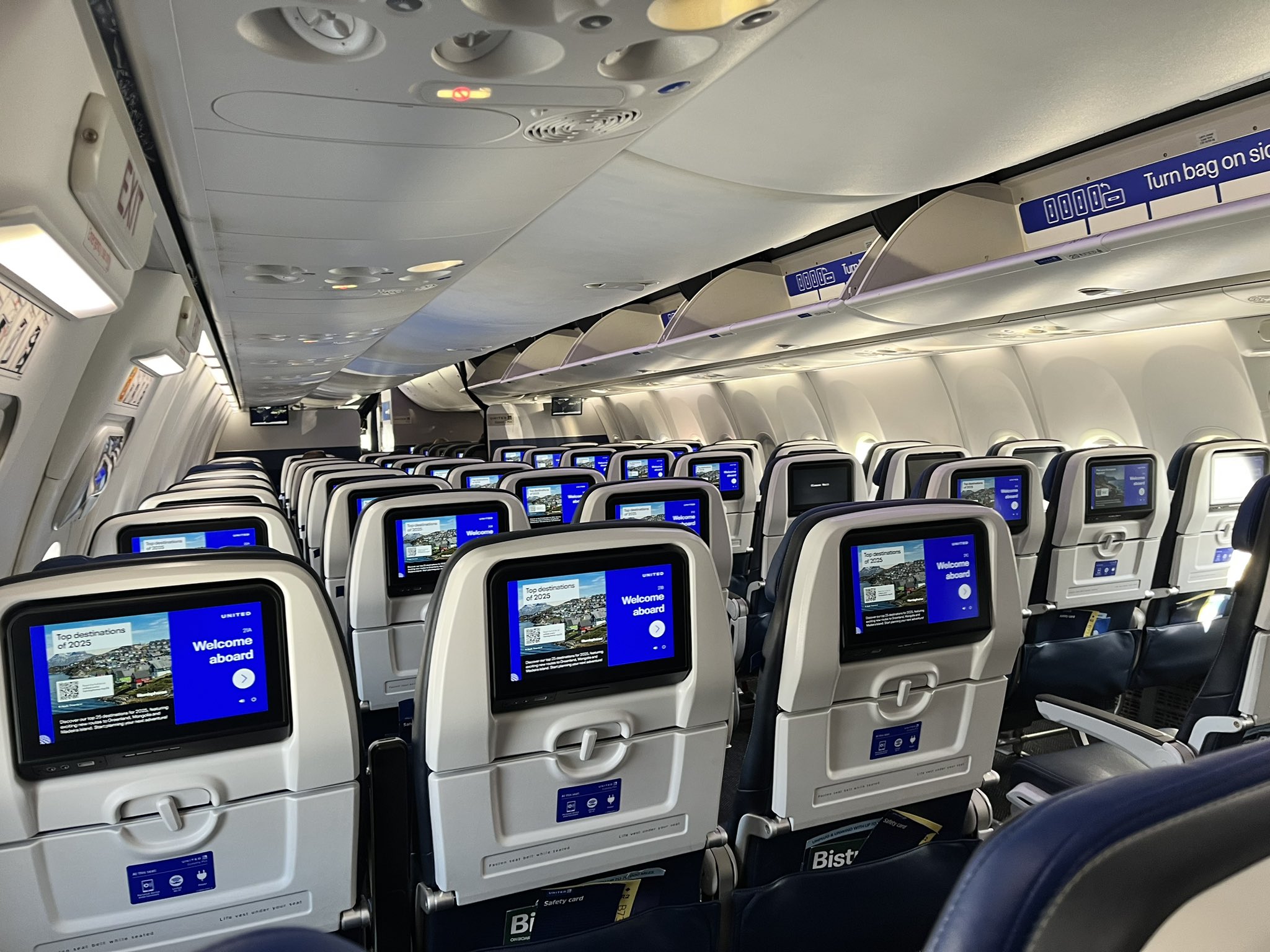
United Airlines CFO Michael Leskinen spoke at the Barclays 43rd Annual Industrial Select Conference on Wednesday and actually dropped some reveals and even more hints about product, and talked smack about American Airlines as part of the larger feud between the two carriers at Chicago O’Hare.
Here are (7) key takeaways from the presentation:
- He believes airline mergers are possible in this environment, and would be good: “I think it’s a unique environment that — where M&A is possible. We’ll see how that plays out. But I do think that this industry would benefit from some.” We’re already seeing Allegiant and Sun Country but there have been rumors that the United-JetBlue partnership could be more…
- Starlink roll-out timeline: “We’re going to have a significant amount of mainline aircraft by the end of this year. And then by the end of ’27, we should be substantially complete.”
- Website relaunch details coming in two weeks. Product announcements are coming at Media Day in March
We also have plans, as Andrew Nocella alluded to on the earnings call, to improve our loyalty ecosystem. I think that will end up driving some card acquisitions to United
If I had to guess, among other things they’ll make official something like Delta’s 15% discount on award prices for co-brand cardmembers. They already offer higher pricing to non-cardmembers, and have restricted business class saver availability to elites and card customers. So this would market what they’ve done to drive card signups.
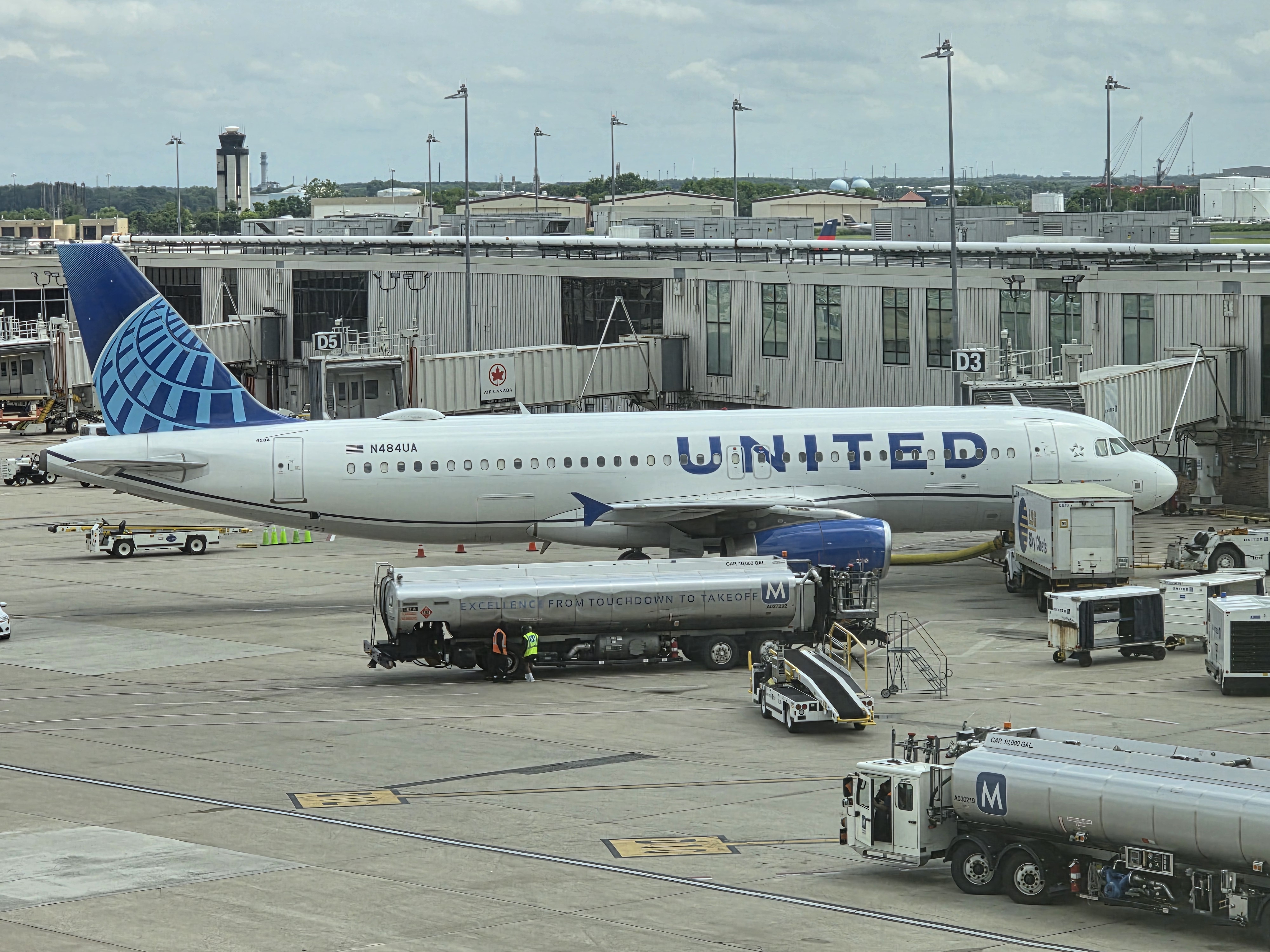
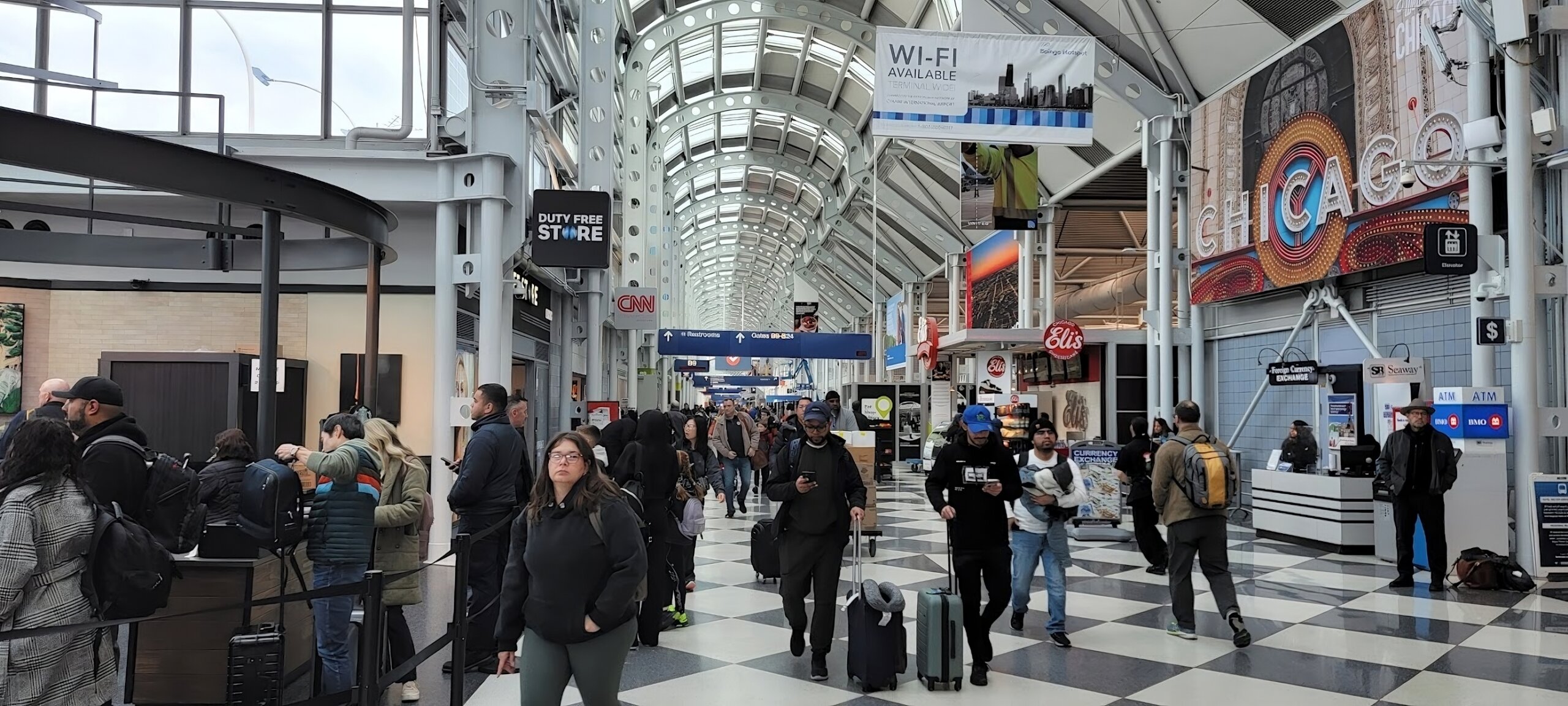
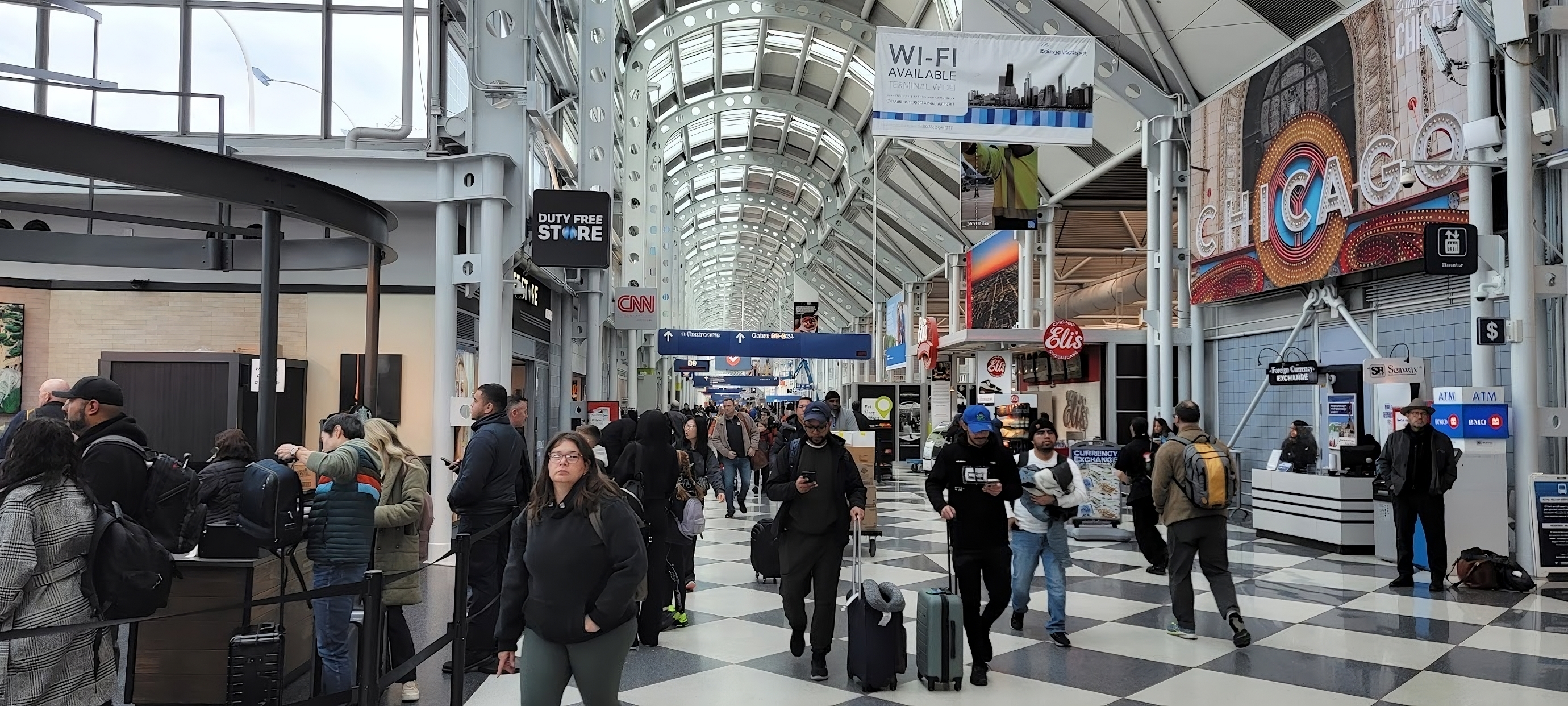
- They’re not losing money at O’Hare yet, despite the big buildup in capacity as they try to bury American: “We actually have mid-single-digit RASM in the first 2 weeks of February in O’Hare.”
He referred to American Airlines, though: “Temporarily, they have a hub.” Ouch, and more than a little unfair. Even if American didn’t grow, or scaled back, they wouldn’t retrench to the point that it was no longer a hub. The gates are too valuable (based on recent Spirit gate sales to United and American, $15 million each!) and the market too important for co-brand credit card spending.
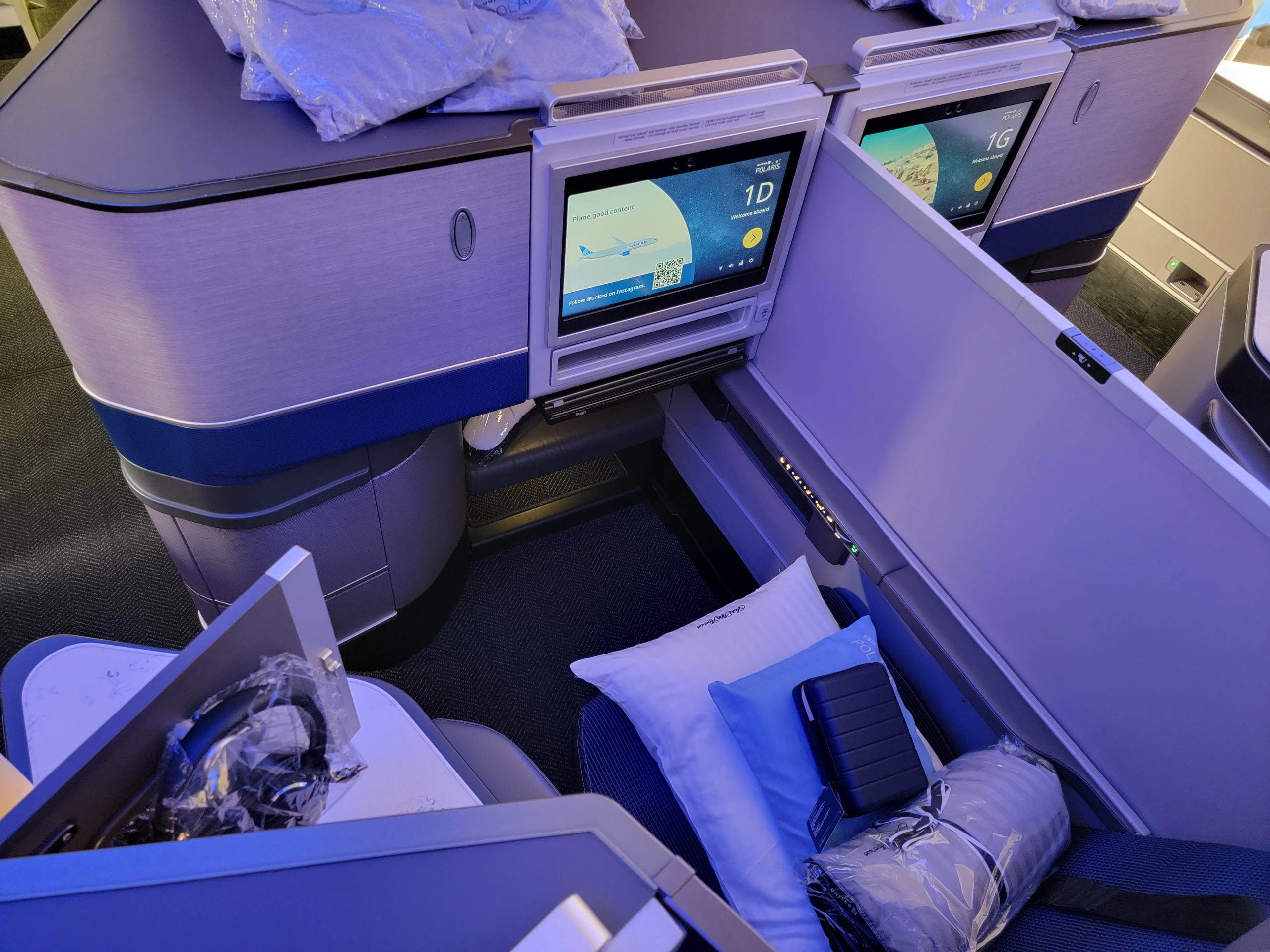
[E]verybody is switching from American to United and they’re doing it because we have a differentiated product, we have differentiated service. And so yes, there’s a lot of capacity being added to Chicago, but not all capacity is created equal. And so not only do we have a better hard product, but we have the schedule and we have the connectivity, we have the clubs.
So they can fly around some empty airplanes, and there is some gate calculus around that. And so that puts us in a spot where for the long term, we have to protect our gate positions. It’s going to be a modest impact to our level of profitability. …We are making money in Chicago. We made a nice profit last year in Chicago.
The other guy that’s adding so much capacity is not. There’s pretty good math out there. You can create with public data to get at that. And so really, you should talk to them. It’s an irrational strategy to accelerate their losses.
- While premium is still doing the best, coach travel is picking back up. And United has been growing capacity significantly. However, it won’t grow faster than it did in 2025. They believe they’ll earn more money when other airlines pull back on capacity.
And so at some point, there’s a transformation that those lower-margin airlines become more rational. And when that happens — and maybe it happens this year. I’m not going to predict when. But when that happens, there’s a step function improvement in the profitability of the entire industry that United also benefits from. And so the combination of the idiosyncratic trends that we’ve built at United and that transformation in the industry, which must happen, it’s economic gravity, that’s what Scott describes as getting us to mid-teens [in percent margin].
- For an airline that’s cutting 8% of headquarters staff thanks to AI, he gave a fairly muddled answer on how they’re using it. There are some nuggets here, but not a top level vision.
For AI, we’re doing a lot with customer service reps to be able to access information faster, answers to their questions, to be able to answer customer questions faster. We’re doing more preemptive maintenance. We’re doing more predictive maintenance. We have iPads in the hands of our technicians that are making them more and more efficient. We have some of the operation where we can create some more automation around ground handling. I think it’s going to be helpful to overall cost trends. I don’t see transformational just yet, but I do see helpful.
I think another good example that I’m really proud of for the finance team is we’re getting better at closing the books faster and using more technology to help us do that. In fact, you may not have noticed, but we filed the 10-K a week earlier than we historically have. I’d like to even bring that a little bit closer to when we file earnings. But a lot of that is around modernization of our finance tools.
 what I reported about parking some Boeing 777s:
We do have a few 777s that are Pratt powered, where I do not have parts for those engines. And so those aircraft are going to be grounded in the summer. And so it’s putting a little bit of pressure on our international ambitions in the short term. That will be resolved in 2027.
The war of words is certainly escalating when the United Airlines CFO is openly ridiculed American as having merely a ‘temporary hub’ in Chicago, and singals tremendous hubris over the direction of their profits into the future – we’ll see if the confidence winds up warranted.
In the near-term though we’ll soon learn of product and loyalty program changes, aimed at driving up MileagePlus profits by 50% in four years, something the airline failed to accomplish the last time their CEO promised it.
More From View from the Wing
Link da fonte