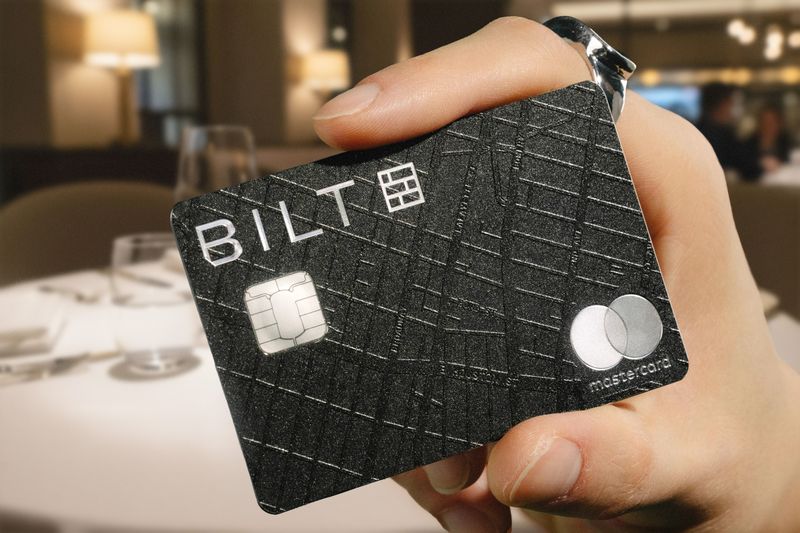
I don’t generally write about credit card interest rates. If you’re not paying off your cards in full each month, your primary concern with credit cards shouldn’t be rewards and those are generally my focus. But Bilt made an interesting announcement as part of the launch of their three new credit cards: interest will be capped on new purchases at 10% for the first year.
That mirrors the call that President Trump has made for credit cards:
As public policy a 10% cap on credit card interest is a terrible idea. In fact, it’s insane. But as a tactic for the new Bilt card, it may make some sense.
- This is a teaser rate on a new product. 10% is a lot more affordable than 0%, which we’ve seen from some cards in the past.
- The challenge Wells Fargo faced with Bilt cards is that people used it for rent, they plan their rent spending, and they don’t finance it. This could help build the card’s lending portfolio.
- It rides the news cycle. Bilt is interesting in the points community because of the uniqueness and strong value of their rewards program. But announcing a 10% cap on APR for a year could get a lot more mainstream coverage – getting Bilt mentioned whenever Trump on card interest comes up.
Still, I’m a little bit worried that doing what sounds like the Trump policy could make it seem like the policy itself is workable. “If Bilt and its card partners can do this, it must be possible!” And in fact a federal cap of 10% interest on unsecured card debt would be a disaster for the economy, and hurt the vulnerable consumers the most.
- Limits credit availability. Unsecured credit is expensive for a reason. Default risk, fraud, and card servicing mean that rates actually need to be higher to offer the product to most people. You’ll have fewer credit applications approved, reduced credit lines, and closed accounts – focusing on the riskiest borrowers. It’s only better-credit borrowers who might still get credit.
- Forces people into worse products. The need for credit doesn’t go away, just the best options people have been choosing for credit. So they get pushed into payday loans, overdrawing checking accounts, pawn shops, etc.
- Drives up card fees. If issuers can’t charge current rates, they have to generate revenue in fees – annual fees, balance transfer fees, etc.
- Bad for the economy. Unsecured credit makes transactions easy and frictionless. Less credit means fewer transactions, less economy activity.
- Destroys rewards programs. When products aren’t profitable there’s little reason to incentivize transactions. Better rewards cards often rebate the full value of merchant swipe fees to the consumer, spending on rewards in search of consumers who will revolve balances. When that’s not profitable anymore, the card programs no longer make sense. And that also hurts airlines, makes flights less profitable, and there’ll be fewer flights and at higher cost.
- Increases market concentration. Thin-margin card issuers and smaller players get pushed out, while larger issuers can cross-sell products and operate more efficiently surviving longer. Credit cards are a very competitive space (and if they could make money at 10% APR, they’d do it to win business). But this competition will erode under an APR cap.
- Hurts credit scores. As credit limits get cut, credit utilization spikes which drives down credit scores. That also makes other borrowing (auto, mortgage, even insurance pricing in some states) more expensive.
It’s smart for Bilt to come to come out with this. I’m not sure whether it’s leaning into what the President wants, or trolling it. Either way, it’s a smart play for a smaller player to shake things up and get attention. The economic illiteracy in the broader conversation, though, is downright dangerous.
More From View from the Wing
Link da fonte