
I’ve been obsessed with miles & points for around 20 years. I can’t help but take a moment to reflect on just how much this hobby has changed over that time.
I’ve gotta be perfectly honest, this hobby isn’t as fun as it used to be, and in some ways, getting amazing value is harder than before. But it’s not all bad news, and that negative perspective largely overlooks the ways in which this hobby has become much more lucrative than in the past. So let’s talk about that in a bit more detail — what has actually changed, both for better and for worse?
The miles & points hobby has gone mainstream
I got obsessed with miles & points in 2004-2005. Or put differently, I got obsessed with miles & points back when Delta SkyMiles could be redeemed for Air France first class and Singapore Airlines first class (yes, really… ugh, I miss the 747 #megatop!).
I don’t want to say that miles & points were some hobby that no one had ever heard of, but they were definitely a lot more niche than they are today. Yes, frequent flyer programs had existed for decades, and many people were members of them.
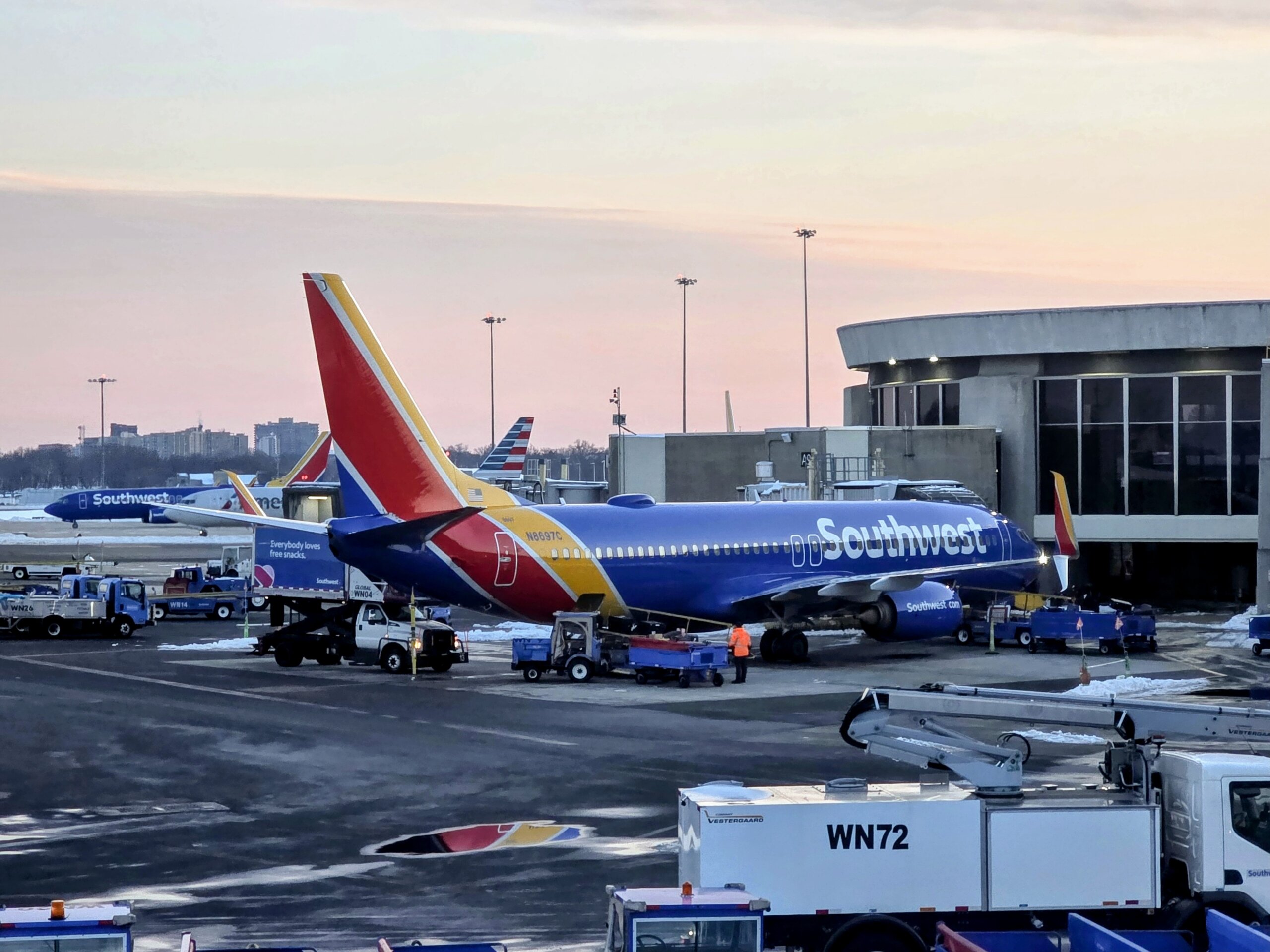
But miles & points and maximizing credit cards wasn’t a part of our society in the same way that it is today. I mean, just look at the revenue that US airlines are now generating through loyalty programs, and I think that will largely show you how mainstream things have gone.
What has contributed to these changes?
- The way we share information has changed — it used to be that miles & points and premium airline topics were discussed on internet bulletin boards, while now there’s endless short-form content on TikTok, Instagram, etc., making this available to a much larger audience
- What we value as a society has changed — younger generations place a heavy emphasis on travel and experiences, and are more willing to splurge on peak experiences
- The credit card landscape has become a lot more lucrative for consumers, making it easy for the average person to rack up valuable rewards, get airport lounge access, etc.
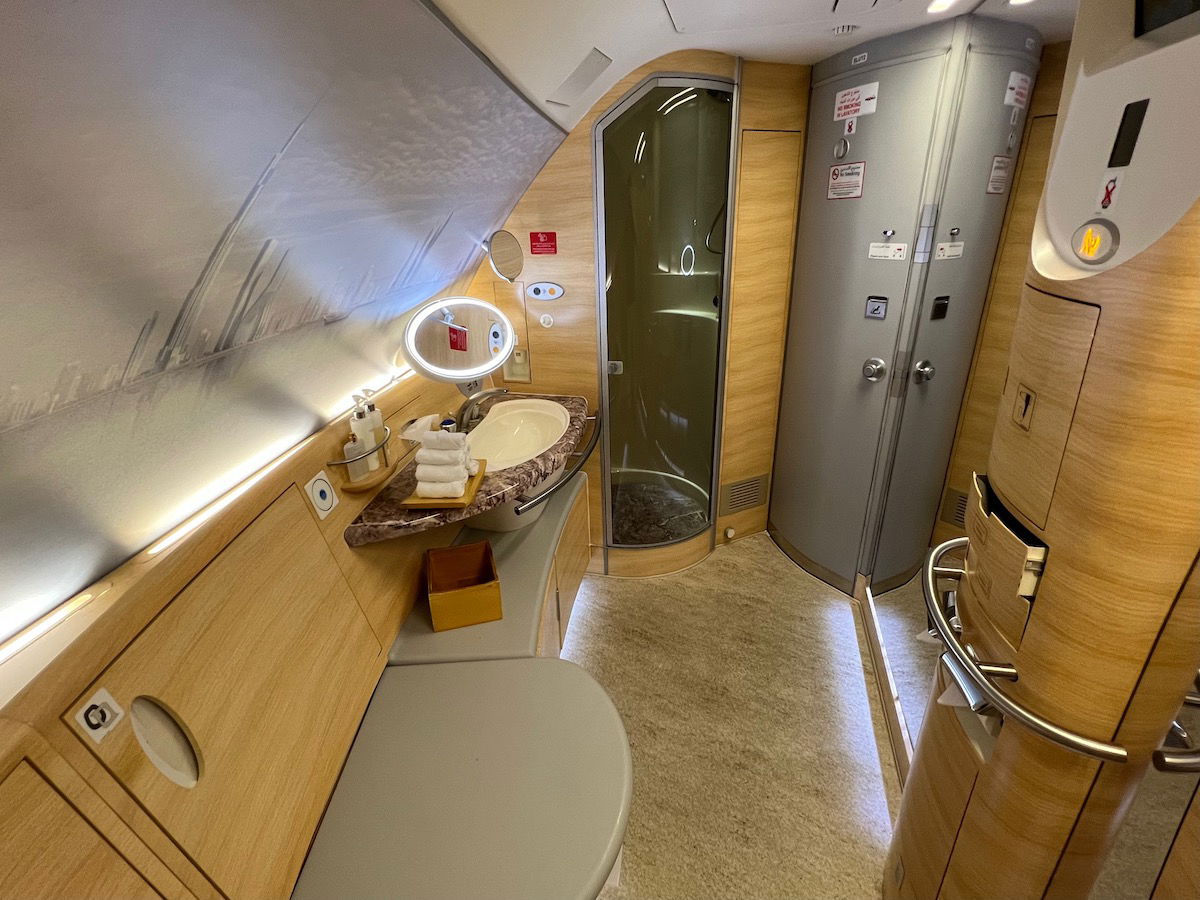
- Premium airline products have become a lot more flashy, which also increases their appeal; whether it’s an onboard shower or double bed, those features certainly make a lot more people interested
- Airlines have honestly just become much smarter businesses, and they’re better at monetizing their loyalty programs and other products, so opportunities that present outsized value often get shut down
Miles & points aren’t nearly as fun as they used to be…
Perhaps the clearest example of how much less fun miles & points have become is a look at my post with 11 amazing award redemptions from back in the day. If you haven’t been around the miles & points world for long, I don’t think you understand just got good the deals were 15 years ago.
For example, Aeroplan would allow US to Asia first class awards via Europe with two stopovers enroute for 120,000 miles roundtrip. Of course that’s an amazing price, but what was even better was the amount of award availability.
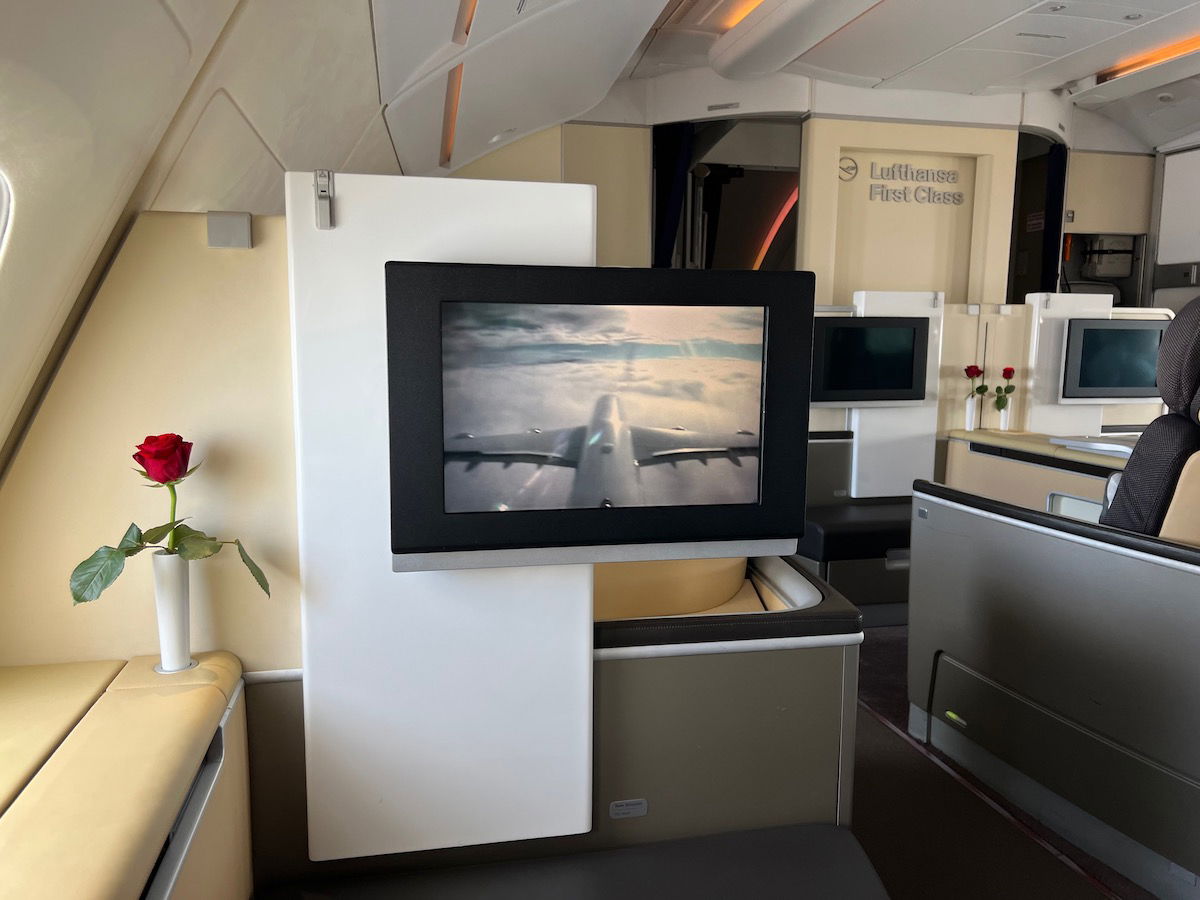
Lufthansa first class awards? They were super available, whether booking in advance or close to departure. And we’re not just talking one or two seats, but often six or seven seats. Even SWISS first class (which is now restricted to Senator level Miles & More members) could be booked with partner miles, and was super available.
There was just unlimited potential in terms of how far points could get you. Of course that’s quite a contrast to how things are nowadays, where even finding Lufthansa first class award availability within days of departure is incredibly challenging.
The hotel industry was equally attractive, particularly with Hyatt Gold Passport’s Faster Free Nights promotion.
Then there was the world of mileage running, back when the concept of revenue based status qualification or mileage earning was basically unheard of. American Executive Platinum status for $3,000, while earning hundreds of thousands of miles, plus eight systemwide upgrades? Super easy!
But of course loyalty programs have gotten smarter. There are fewer opportunities to get outsized value, and there’s a lot less gamification. Loyalty programs have also changed their approach to how they open up award availability, including to partner frequent flyer programs.
Sweet spot awards are much rarer and less available, given how many airlines restrict award availability to members of their own programs. On top of that, we’re increasingly seeing airlines require members to have elite status for certain redemptions.
When I talk to a newcomer about miles & points, it can honestly be kind of hard to get them interested. Recently, a non-miles & points friend mentioned how he wanted to take his wife to the Maldives, and asked if there’s any “deal” with points.
Take the Waldorf Astoria Maldives as an example, as it’s probably the best points hotel in the Maldives. Hilton Honors massively devalued redemptions here recently, and increased the standard room cost from 150,000 points per night to 250,000 points per night. Not only that, but you still typically won’t find any standard room availability.
I think this sums up the reality at so many aspirational hotels nowadays. It used to be that hotel “no blackout date” policies basically guaranteed availability. However, nowadays finding standard room availability at many premium hotels is almost like playing the airline award availability “lottery.”
…but it’s not all bad news for miles & points
The miles & points hobby definitely isn’t as fun as it used to be, for those of us who get a thrill out of the chase. That being said, in many ways I’d say it’s more lucrative than ever before.
You know what we didn’t have in 2010? Well, all these amazing credit cards with massive welcome bonuses, bonus categories that can earn you 3-5x points per dollar spent, etc. Us savvy folks were using the Starwood Preferred Guest Amex for most of our spending, which had a modest welcome bonus, and earned one Starpoint per dollar spent (which could then be turned into one mile, with a 25% bonus for every 20,000 points transferred). That was as good as it got. And transferable points currencies? Well, they weren’t nearly a robust or flexible as they are now.
Speaking of premium cabin travel, one of the reasons that miles & points were so important back in the day is because airlines just had absolutely outrageous pricing for their premium cabins. Nowadays airlines will sell you upgrades to first class for tens of dollars. So yes, status may be harder and less fun to earn, but don’t even bother, because there’s not that much value to actually having it.
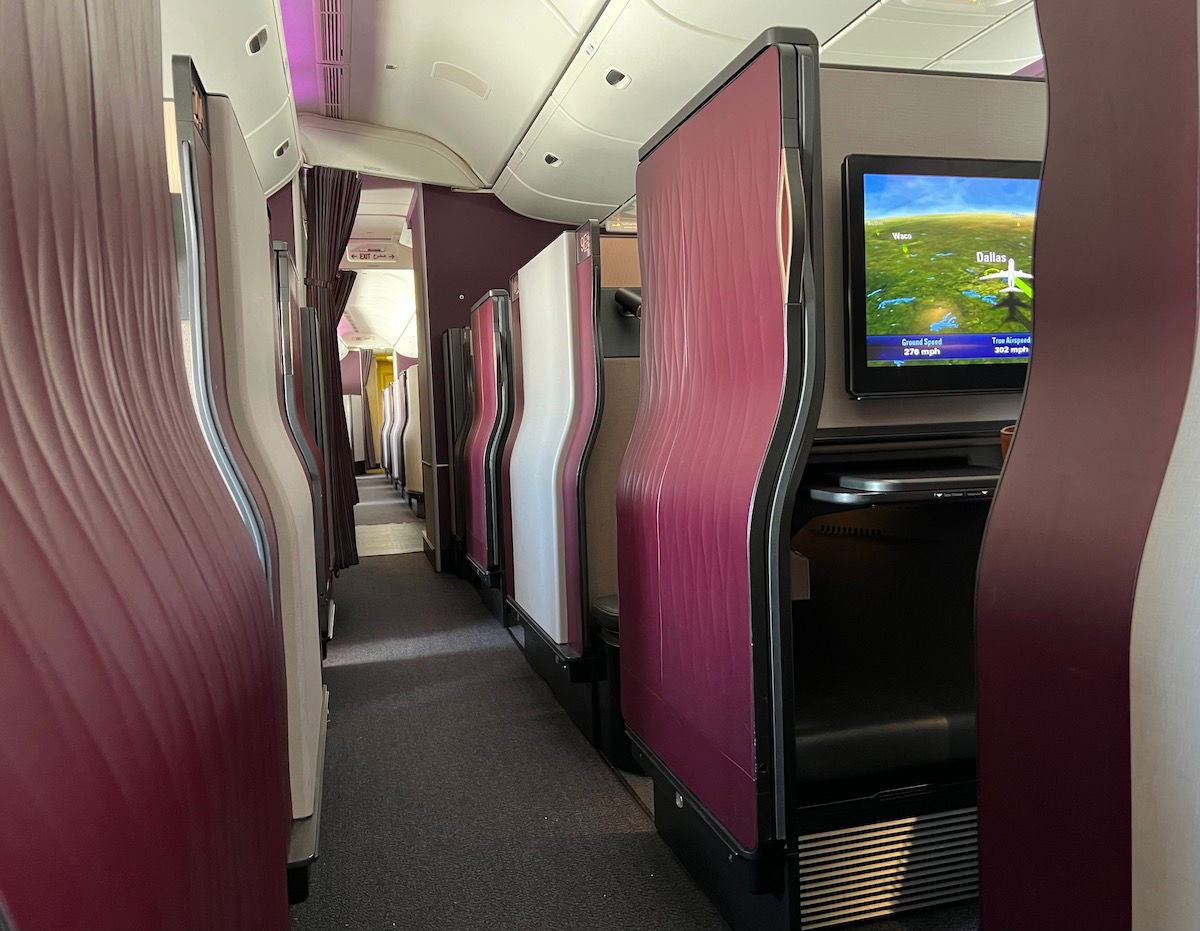
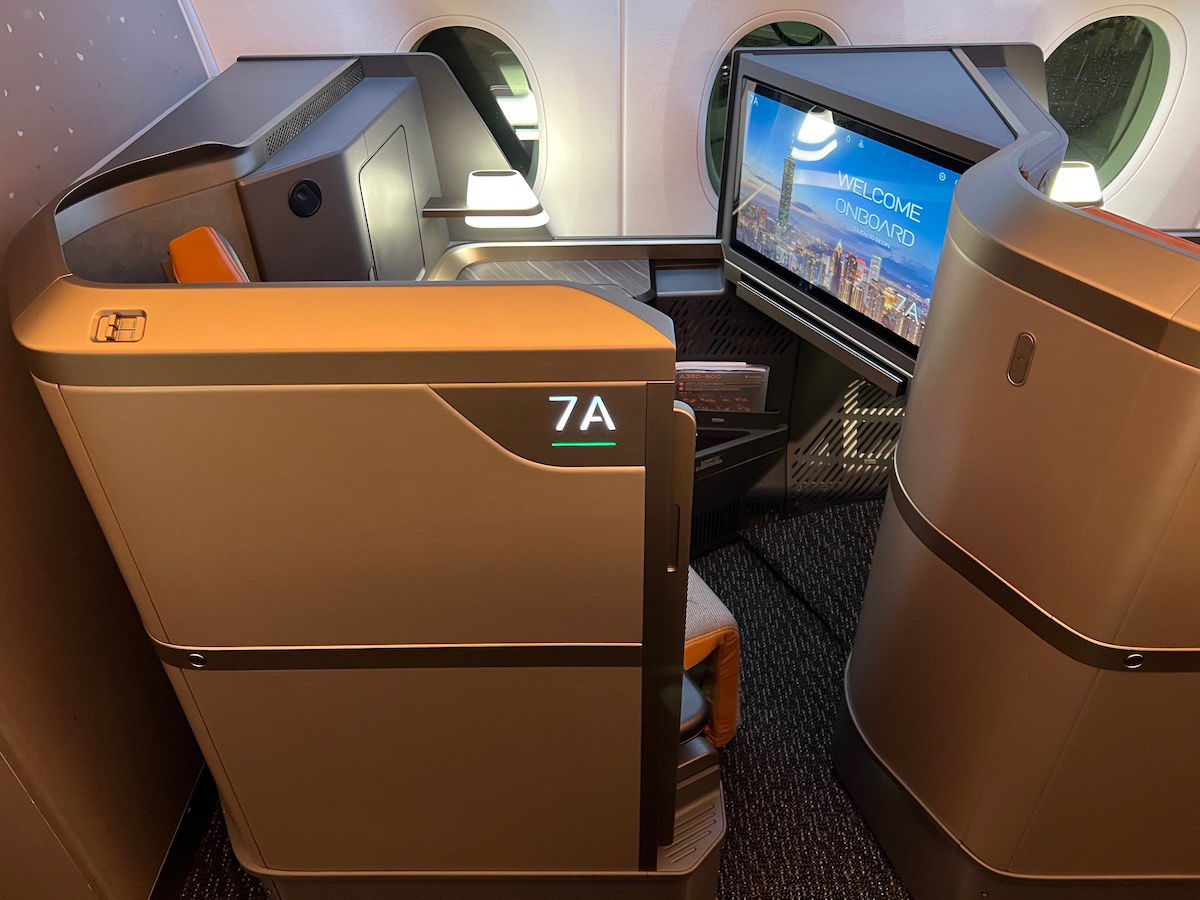
Oh, and the caliber of airline products and airline lounges we see nowadays? It’s on a completely different level than we saw when I started. Back in the day, it was exciting when an airline had angled seats in business class. Nowadays, many of us will barely settle for a product unless it has a door and dine on demand. 😉
The way I view it, the strategy for maximizing travel, and in particular miles & points, has changed:
- Airline elite status isn’t as important as it used to be, given how status has become much harder to earn (or at least comes with more opportunity cost), while offering significantly less value
- Credit cards with big bonuses and multipliers largely let people redeem points as cash toward the cost of travel, potentially offering good value
- Loyalty programs often sell points directly at a reasonable cost, which can be a way to score a deal on a premium cabin ticket or luxury hotel stay, with some effort
- There are still lots of amazing premium experiences to be had, though the key is to be ready to plan travel at any moment
I think that last point is worth emphasizing. For example, take a redemption at the Waldorf Astoria Maldives. It’s absolutely possible to book with points and get a good deal, even if there might not be availability for the entire calendar right now. Often availability opens up in spurts, and that’s the time to lock in a stay.
Similarly, people with Alaska Atmos Rewards points might be frustrated by the lack of Fiji Airways and Starlux business class award availability, yet every so often we see the floodgates of availability opened, and you can lock in some great itineraries. You just have to be ready to plan at a moment’s notice.
Bottom line
The miles & points world is constantly evolving. This hobby was very different in 2005 than it is in 2025, as you’d expect (I mean, what hasn’t changed in the past 20 years?).
There are definitely a lot of things that I miss, including the opportunities for gamification, plus how available premium cabin award space was at the time. However, a lot has also improved over the years — points are much easier to earn, in many cases premium cabins are just priced reasonably, and the caliber of airline and hotel products is on a different level than it was back then.
What’s your take on the evolution of the miles & points world?
Link da fonte