United Airlines just updated its rules to crack down on customers buying multiple tickets to save money, banning video calls and viewing offensive content.
American Airlines has now updated its Contract of Carriage to reduce its liability for losing an damaging wheelchairs, and to make clearer how they’ll keep your money if they overbook a flight and downgrade you from your purchased premium cabin to coach.
Here are the two changes they’ve made:
- They’ll only count claims for lost and damaged wheelchairs if made within 24 hours for domestic travel, with defined periods for international. American damages more wheelchairs per passenger than any other airline. One way of reducing those numbers is just not to take the claims.
The older version of its Contract of Carriage did not include a filing deadline under “Mobility and medical devices” in the “Time limits for liability” section. Now, this new version says:
- Delayed mobility/medical device delivery must be reported within 24 hours (domestic) / 21 days (international)
- Damaged mobility/medical devices must be reported within 24 hours (domestic) / 7 days (international)
- Delayed mobility/medical device delivery must be reported within 24 hours (domestic) / 21 days (international)
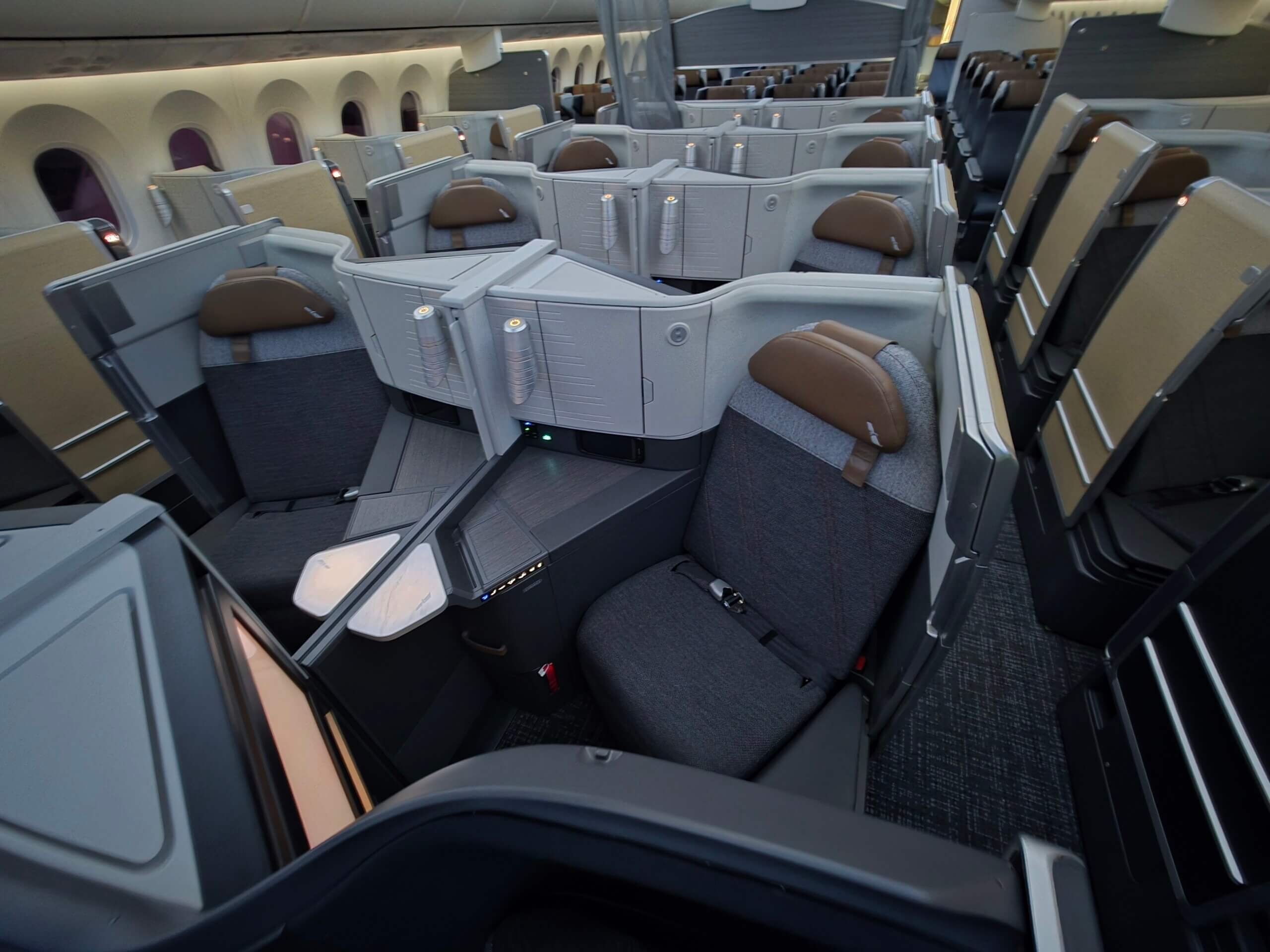
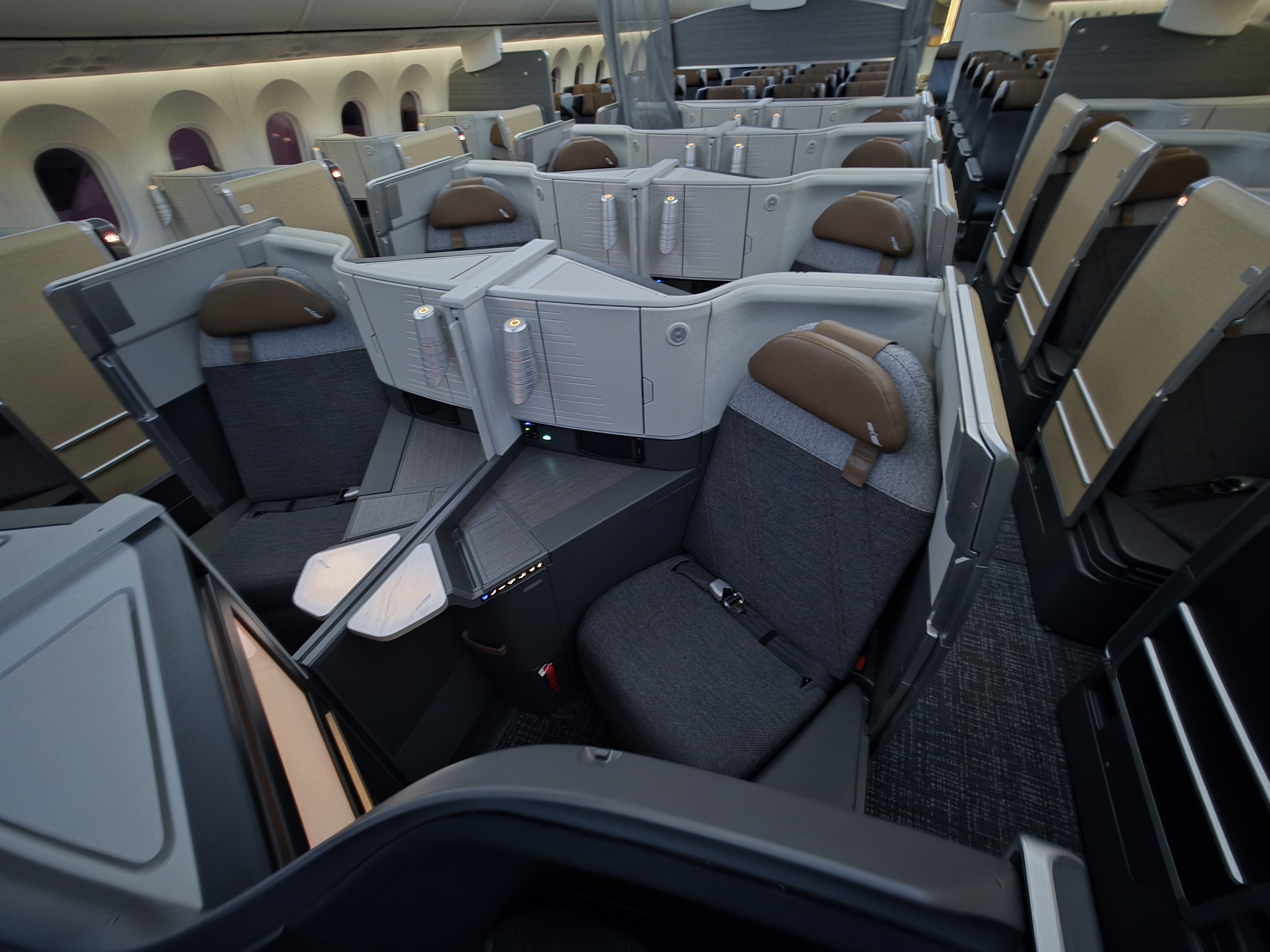
- If they downgrade you, you only get 40% of your fare back. They used to list refunds for “downgrades to a lower cabin” and now they specify limits on what they’ll provide: “refunds are issued at 40% of the ticketed fare on the affected segment.”
That means if you buy a $1,050 business class cross-country ticket instead of a $200 coach ticket and they downgrade you, you get back $420 – rather than the $850 extra you spent. This seems like a big incentive for American Airlines to oversell and keep the money.
On an international trip it could be a $5,000 ticket in business class and a $500 ticket in coach (or less!). You get $2,000 back, instead of $4,500.
This seems inconsistent with DOT’s articulation of an airline’s obligation to “refund the difference between the original fare and the downgraded fare.”
I worry about wheelchair damage claims being denied where a passenger reports at the airport verbally but doesn’t get a formal file number (or the agent records it as “assistance issue” not “mishandled assistive device”), or if a passenger files something with Customer Relations instead of Baggage Service and it’s treated as the wrong report. Even if it shouldn’t be, getting that escalated and corrected through the bureaucracy isn’t always possible in a reasonable manner. Or a passenger initially reports it to the wrong airline on a multi-carrier itinerary.
Moreover, lots of chair damage isn’t obvious at baggage claim or gate delivery such as a bent frame, misalignment, electronics, or joystick control issues. If a passenger notices it the next day after rolling a bit, the clock may have run out. How about the baggage office is closed or with a long line, and physical pain, carefiver constraints or pain make it tough to wait and you come back later?
As for downgrades, I hear from readers all the time about challenges with the way American Airlines calculates refunds. I recently wrote about a comedian who bought first class tickets but was bumped down to coach for deadheading pilots. Even though he spent thousands of dollars on his ticket, he says he was offered $400. Usually I see American calculate a refund for the downgraded segment based on the most expensive fare someone paid for coach on that flight.
So in some cases, this change could harm customers less than American’s previous practice. Nonetheless, it’s completely unreasonable. A downgrade should entitle the customer to:
- The difference in either the prevailing fares at the time of purchase, or between the most and least expensive fares paid in the cabin. There should be a financial penalty for failing to deliver the product the airline sold! And the customer should be made whole – they would have chosen a different flight or airline if the product they wanted on their ticketed one wasn’t going to be available!
- Future travel as a make-good. If they bought first class and didn’t get first class, they should get first class in the future.
Unfortunately there’s very little potential redress. The Department of Transportation is likely to be of little help.
More From View from the Wing
Link da fonte