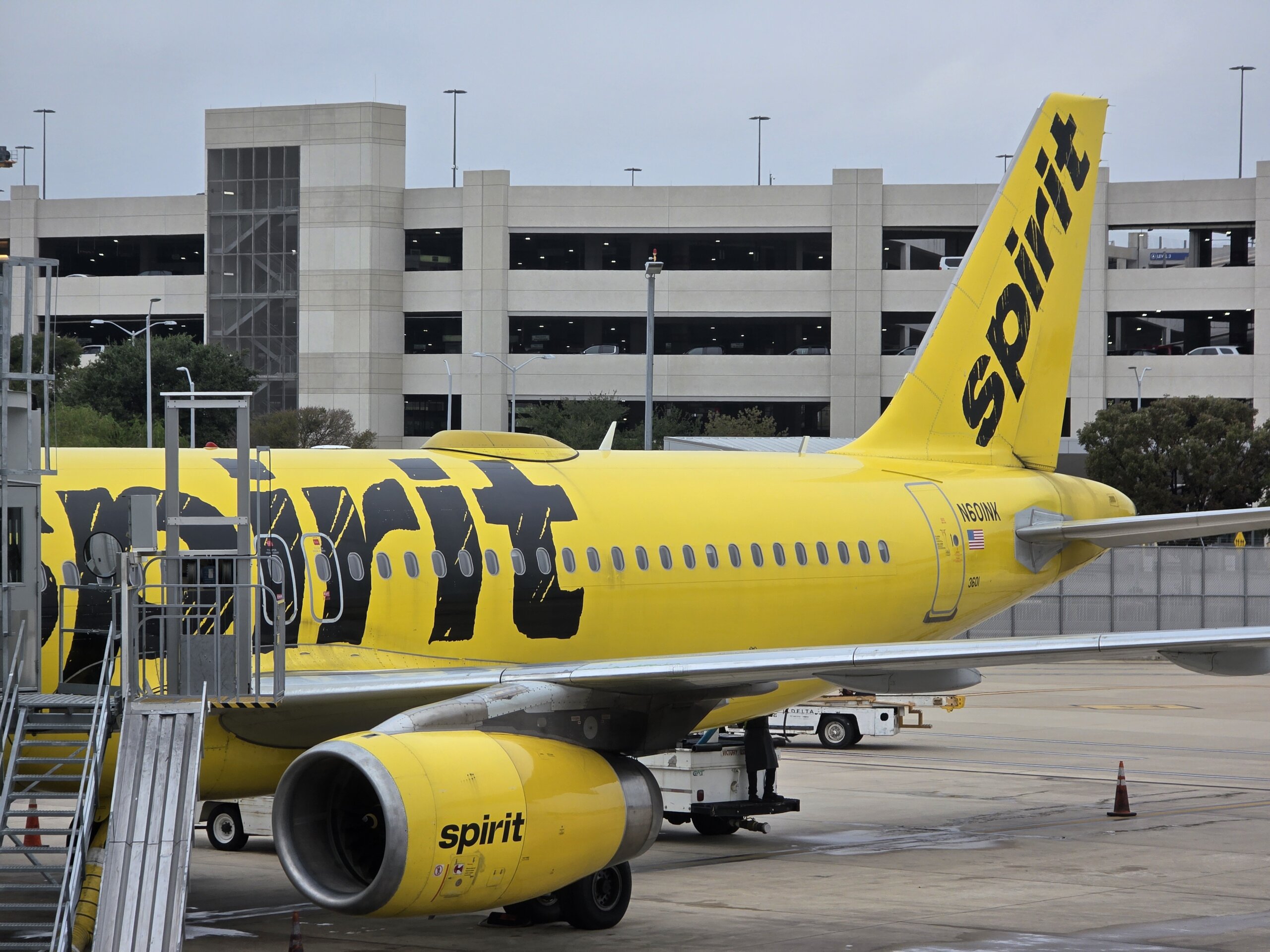
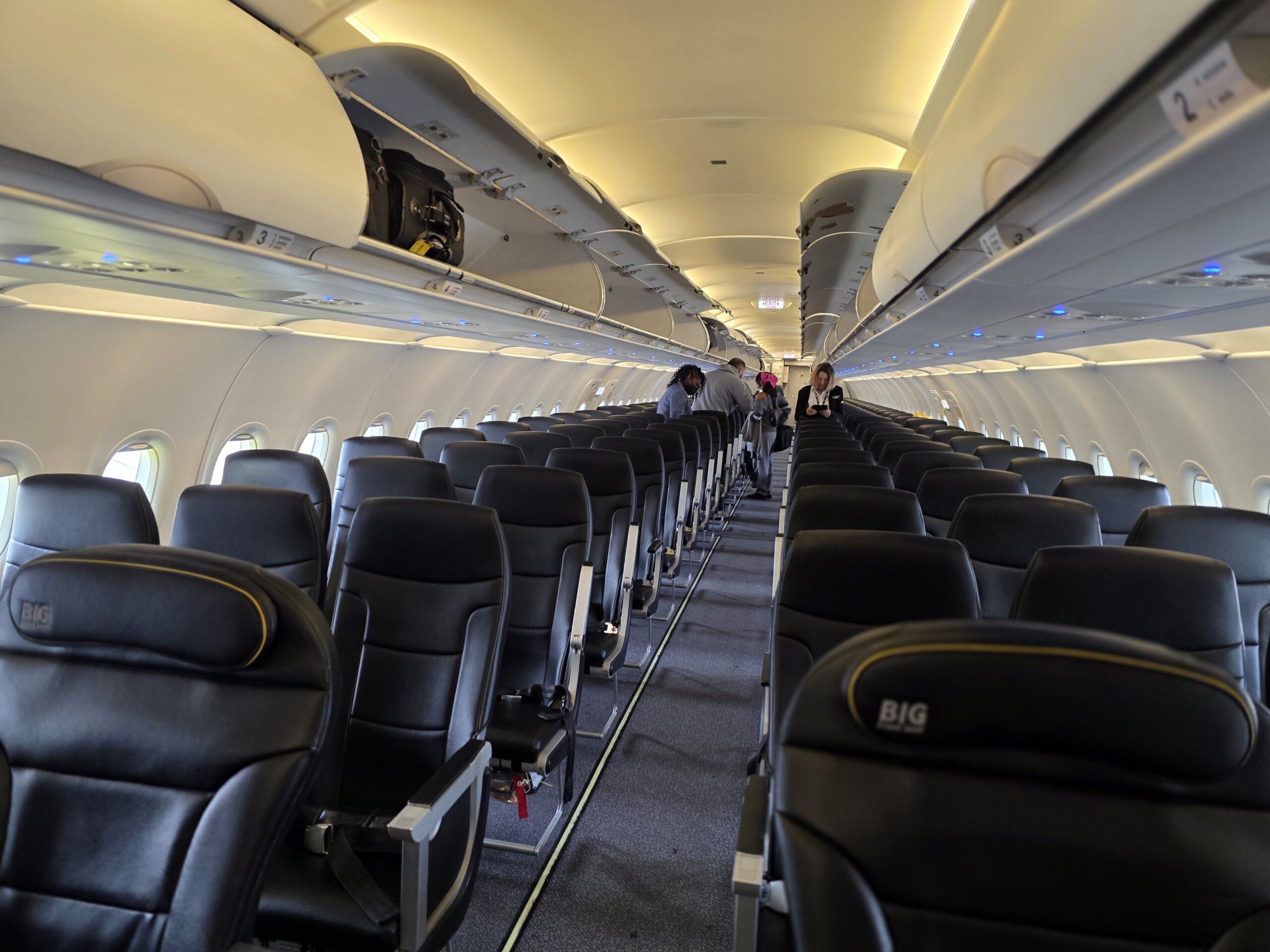
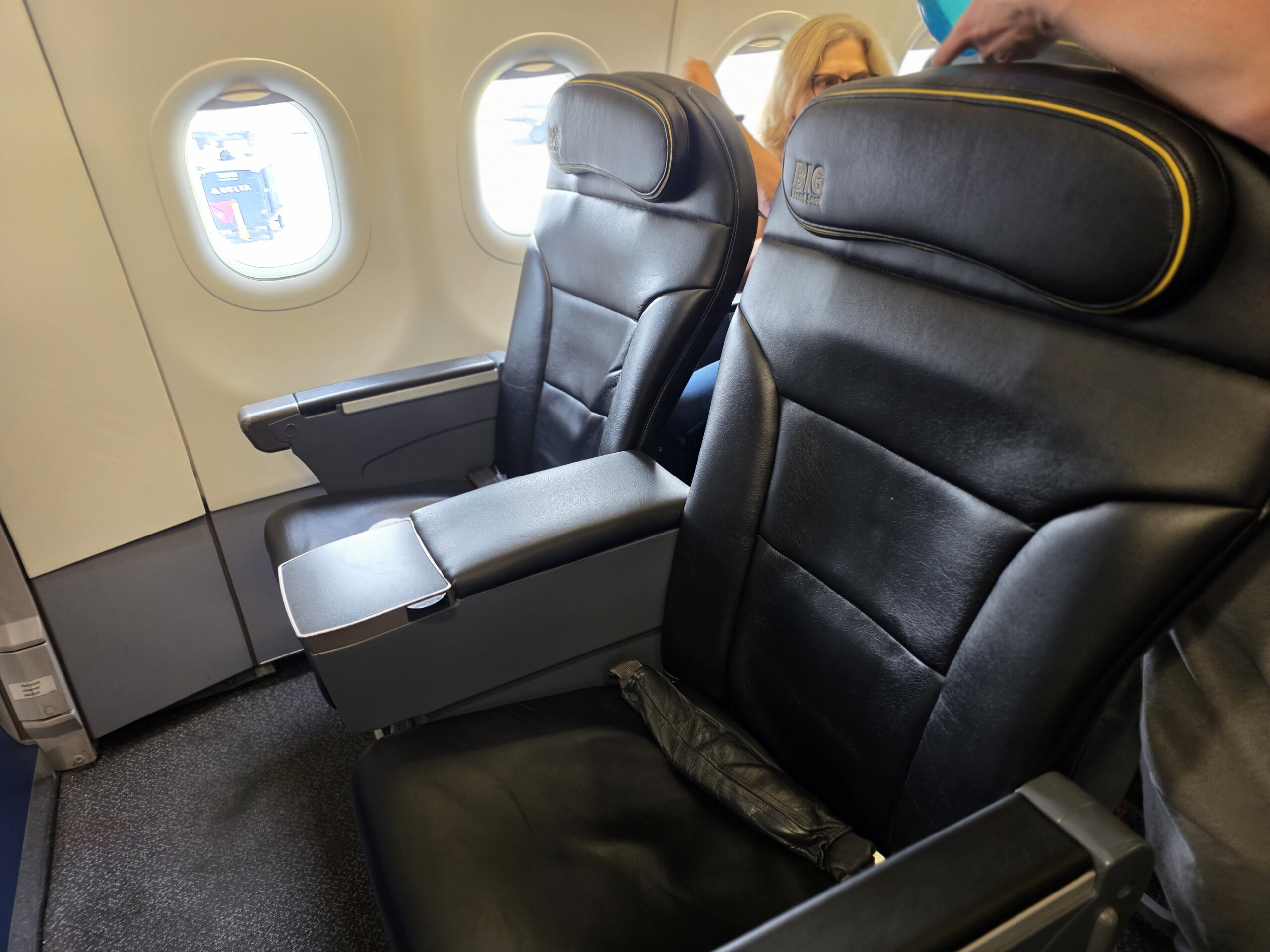
Spirit Airlines announced today that they reached an agreement to exit bankruptcy and are targeting late spring or early summer. Their plan is to shrink and upsell.
Here’s the strategy:
- They will tighten flying around the strongest-demand routes and periods, with higher utilization on peak days and less off-peak flying. They will focus on key cities and reduce their presence elsewhere.
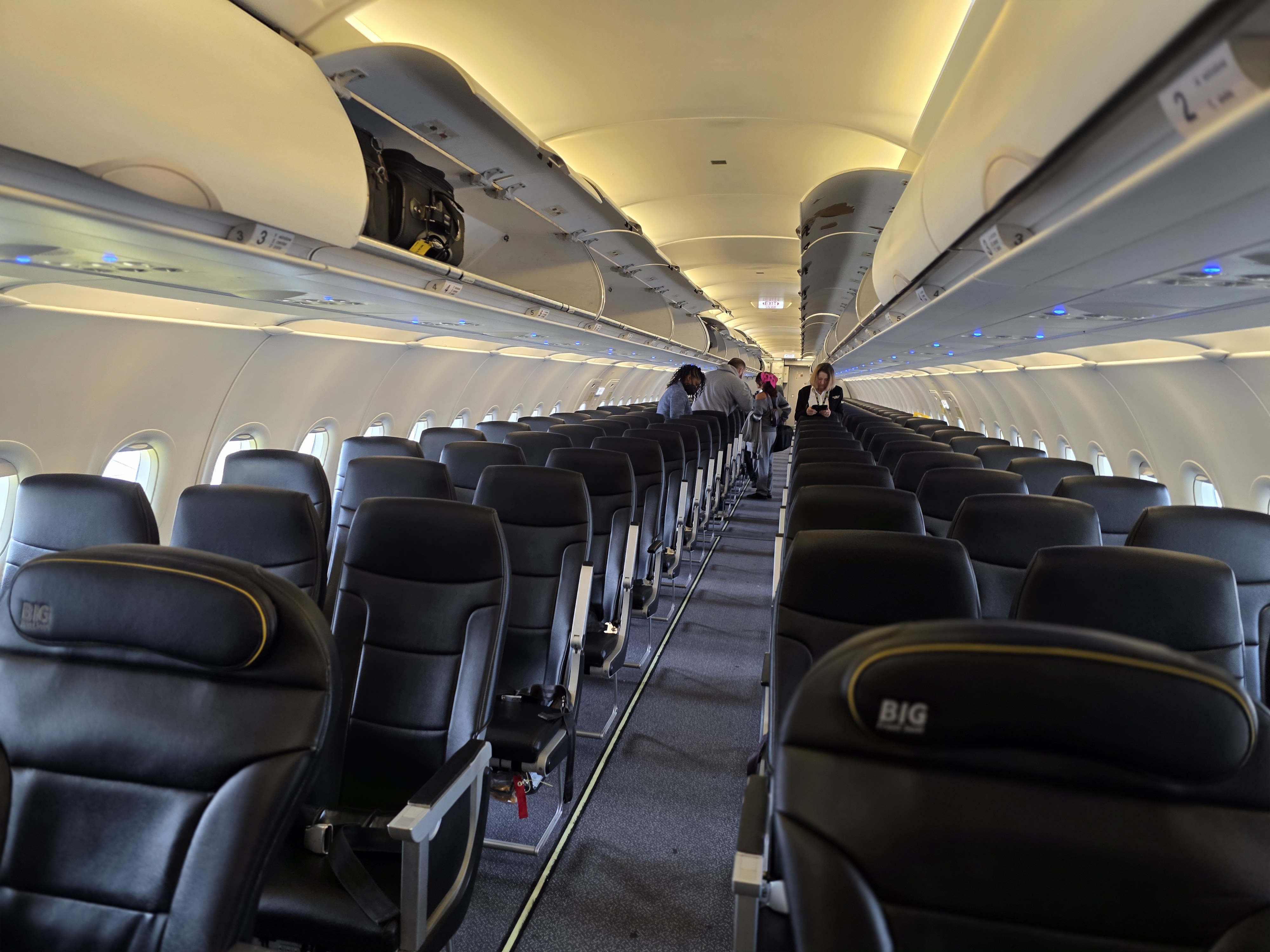
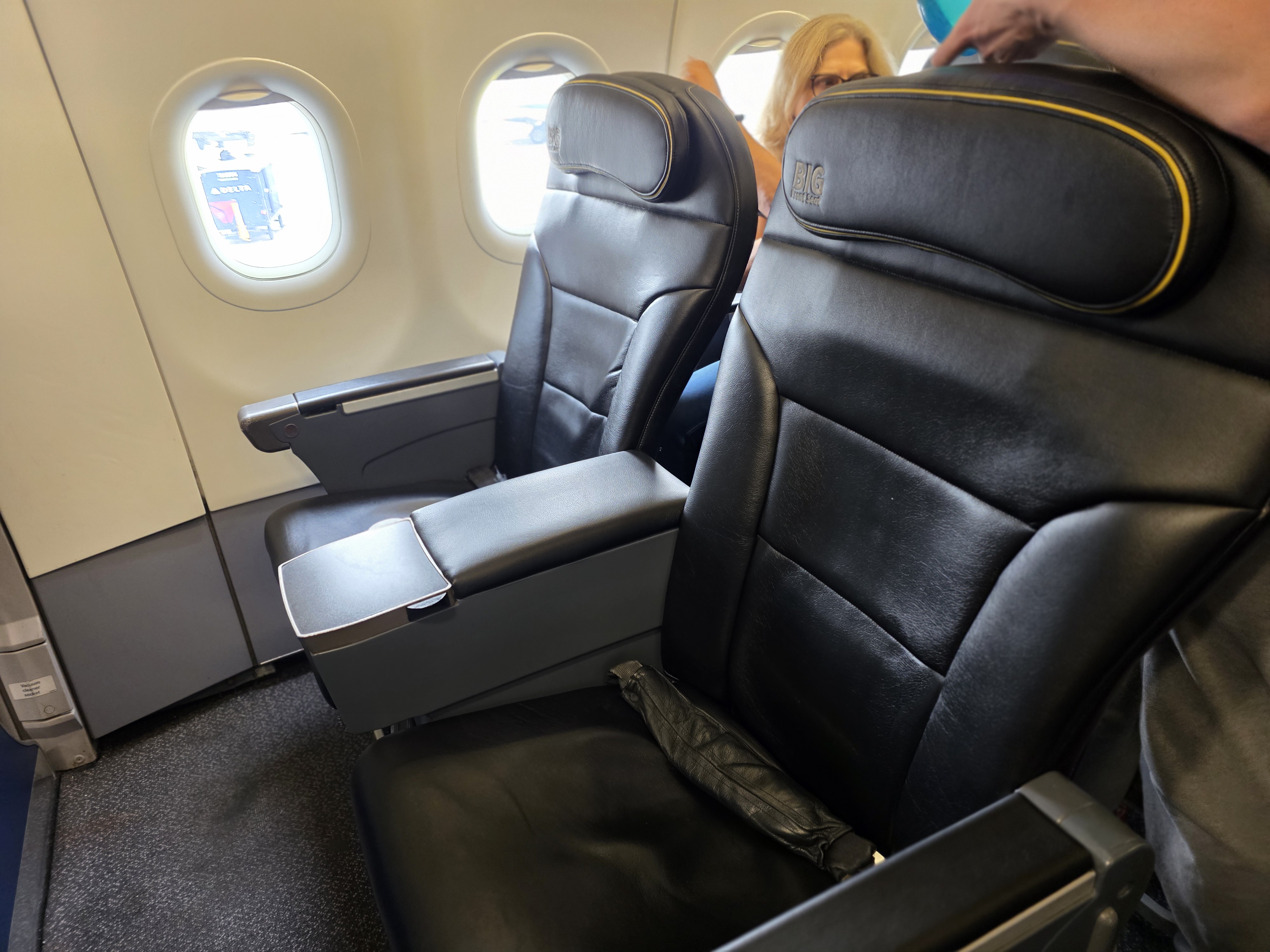
- They’ll expand “Spirit First” (Big Front Seat) and “Premium Economy” (extra legroom) seating, and they’ll work to improve their cobrand credit card business – an area where they’ll always lag without flat seats, long haul destinations and international partnerships.
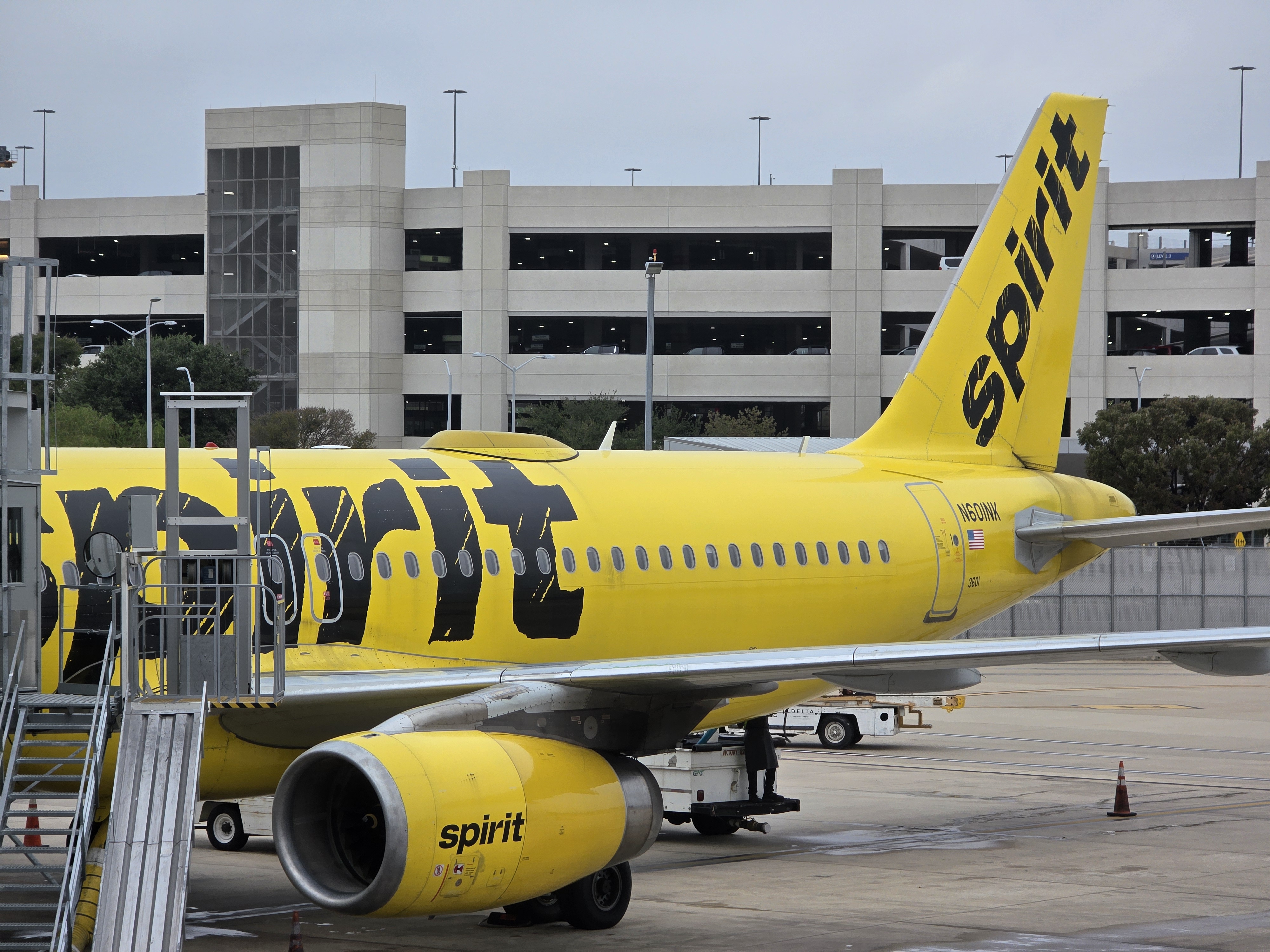
Spirit will have reduced its debt and lease obligations by over $5 billion in bankruptcy. They have agreements that lower labor costs. Their fleet costs fall about 65% by giving back and selling planes. They’re already flying about 30% less. But flying less means fewer seats to amortize fixed costs over. And flying less on off-peak days pushes that even further.
Will this plan help? Spirit Airlines has lower costs, but they also generate less revenue than competitors. They need to fill an entire aircraft with low fares, while airlines like United and Delta just fill their extra seats that way.
People aren’t really loyal to Spirit. They choose Spirit when it’s the best deal by enough to warrant dealing with Spirit.
- Spirit has a terrible brand. People expect a miserable experience.
- Their customer service and fees are expected pain points
- Seating, unless you’re paying a premium, is tighter than on other airlines making for a less comfortable experience.
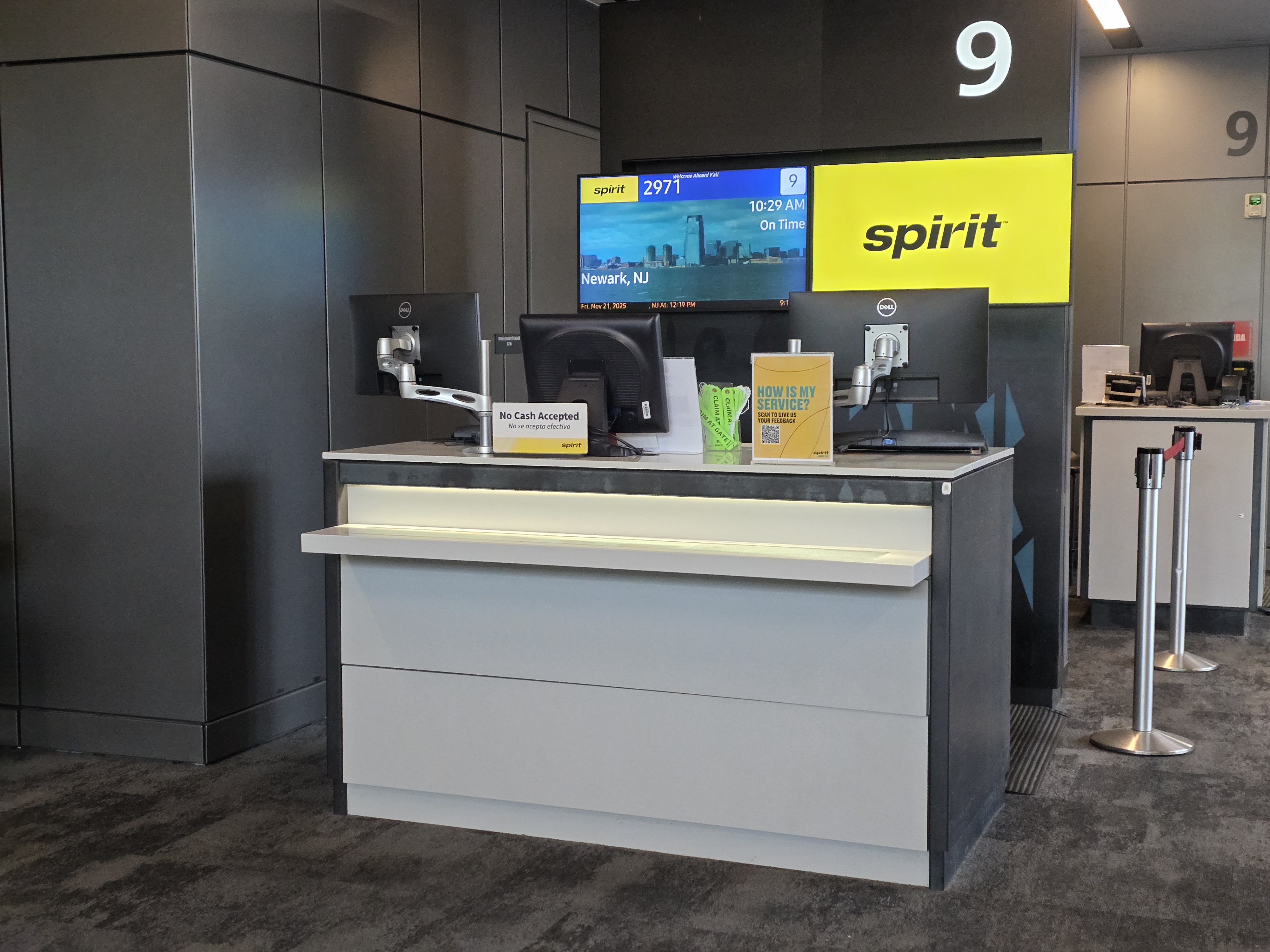
They don’t have as many planes and flights as major competitors. So if things go wrong, you don’t get re-routed as easily either. Spirit is only the choice when they significantly undercut on fares. And major airlines only do not compete with them on price when they’re full at higher fares. That’s the basic problem with their business model.
It worked well for a long time, though. However things changed.
- Major airlines figured out how to match price without undercutting how much they can charge passengers willing to pay more. That’s basic economy – they offer a stripped down product (but still better in many cases than Spirit, e.g. seat back entertainment) that their premium customers don’t want. So they match price and can still charge regular fares.
- Passengers have been willing to pay more for a better experience. That’s been a gradual evolution over more than the past decade, acclerated by the pandemic, while Spirit’s reputation has gotten worse (oddly even as their operational performace until the last few months was quite improved).
They’ve lowered their debt, and they’ll lose less money with fewer planes and people doing less flying. But it’s not clear they have a strategy to generate a return in excess of their cost of capital.
More From View from the Wing
Link da fonte