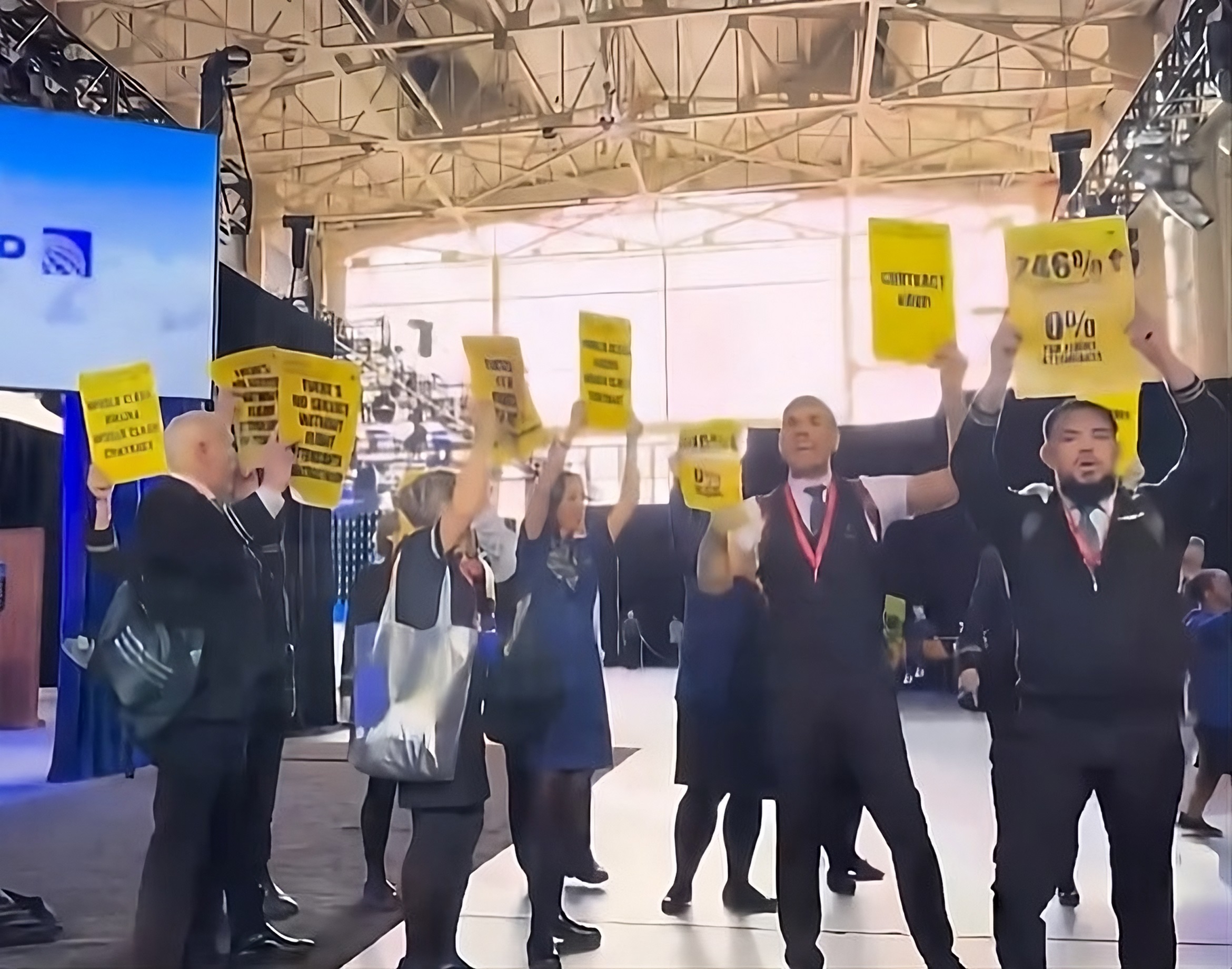
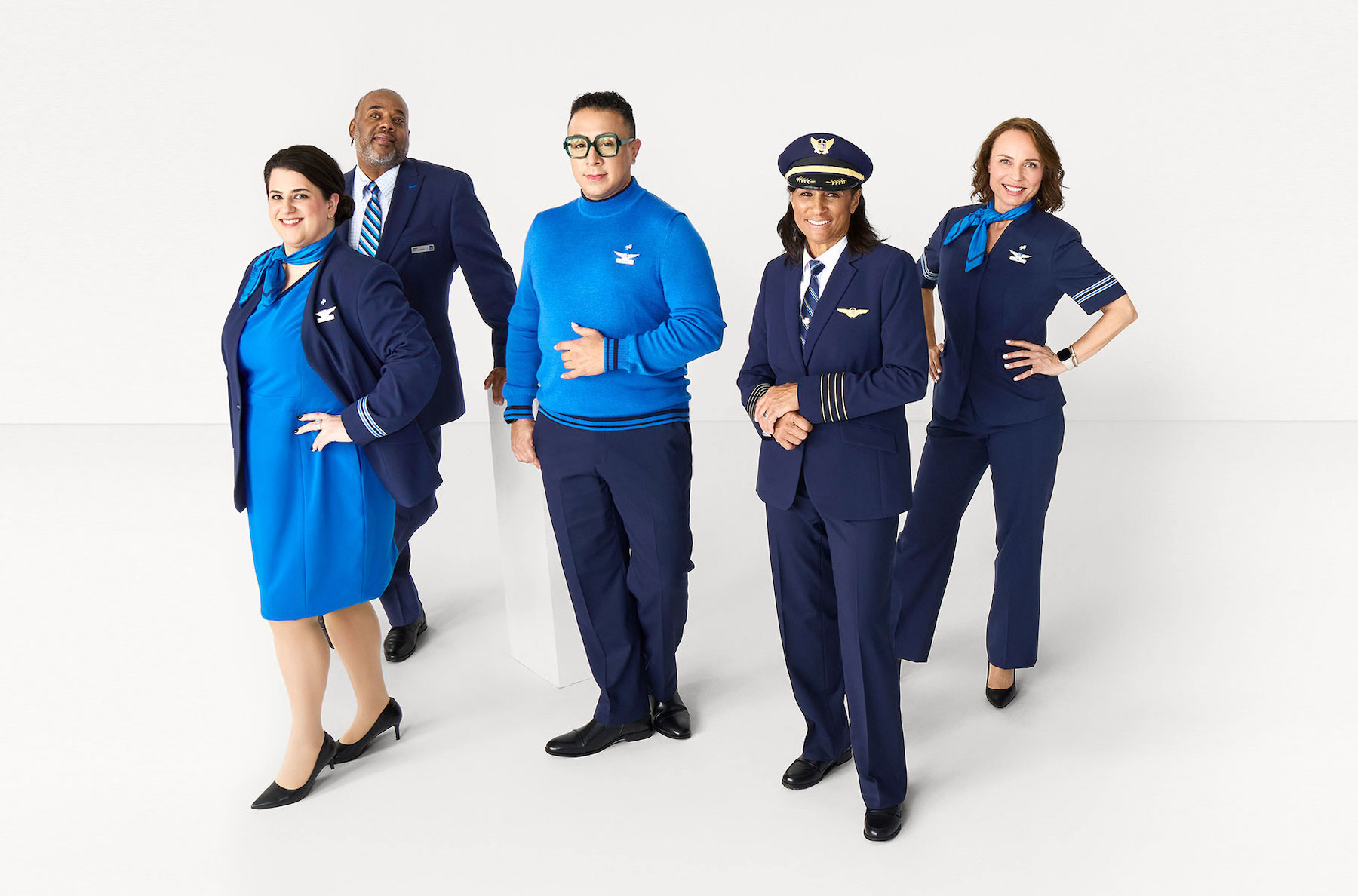
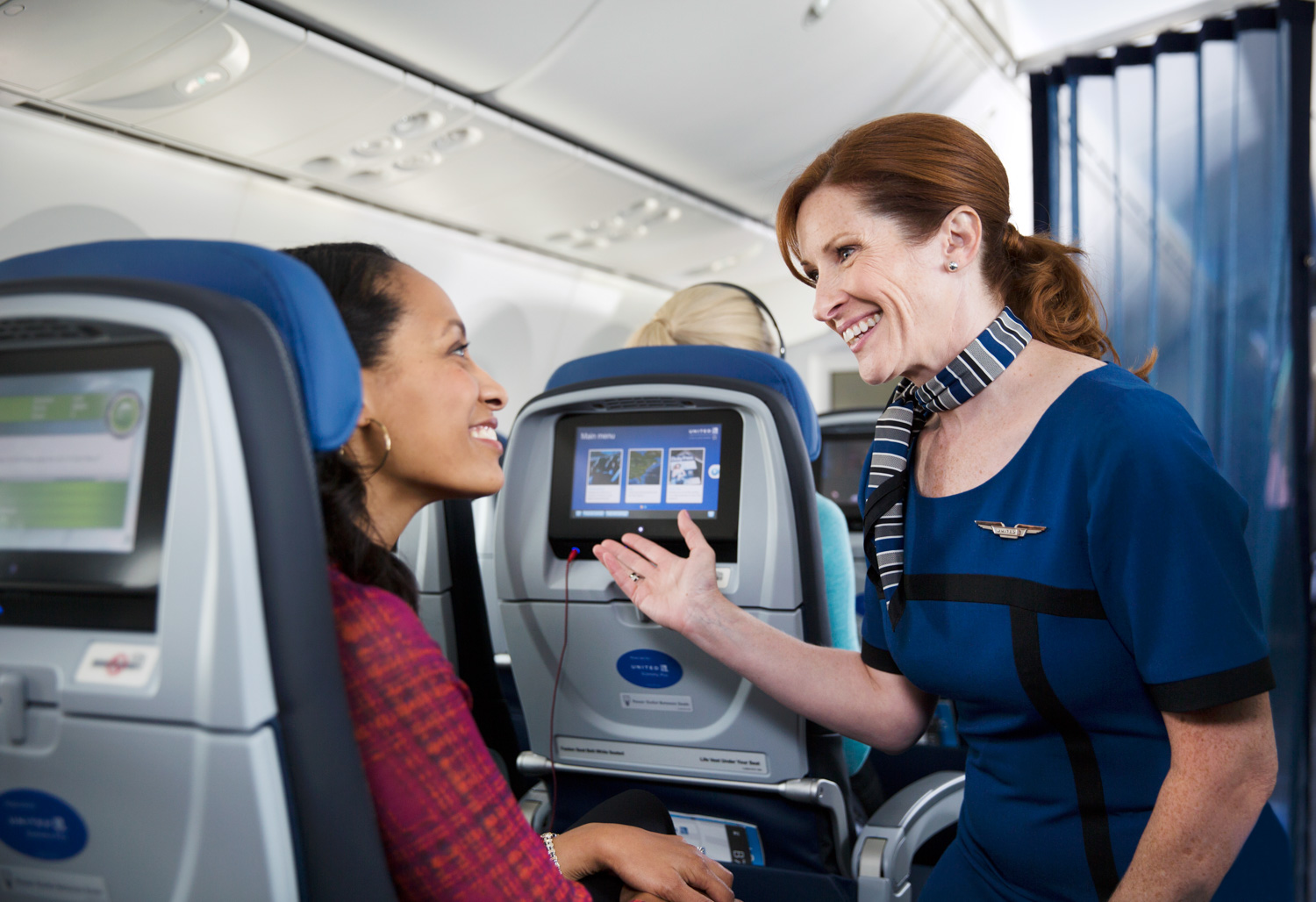
United Airlines flight attendants haven’t seen a raise in five years. Their union negotiated a contract which they told crew was the best they’d do. However, many flight attendants didn’t like elements of it – like language around hotels which seemed to allow lower quality lodging farther away from cities – and others simply believed you should ‘never take the first offer’ and that they can always do better. 71% voted against it.
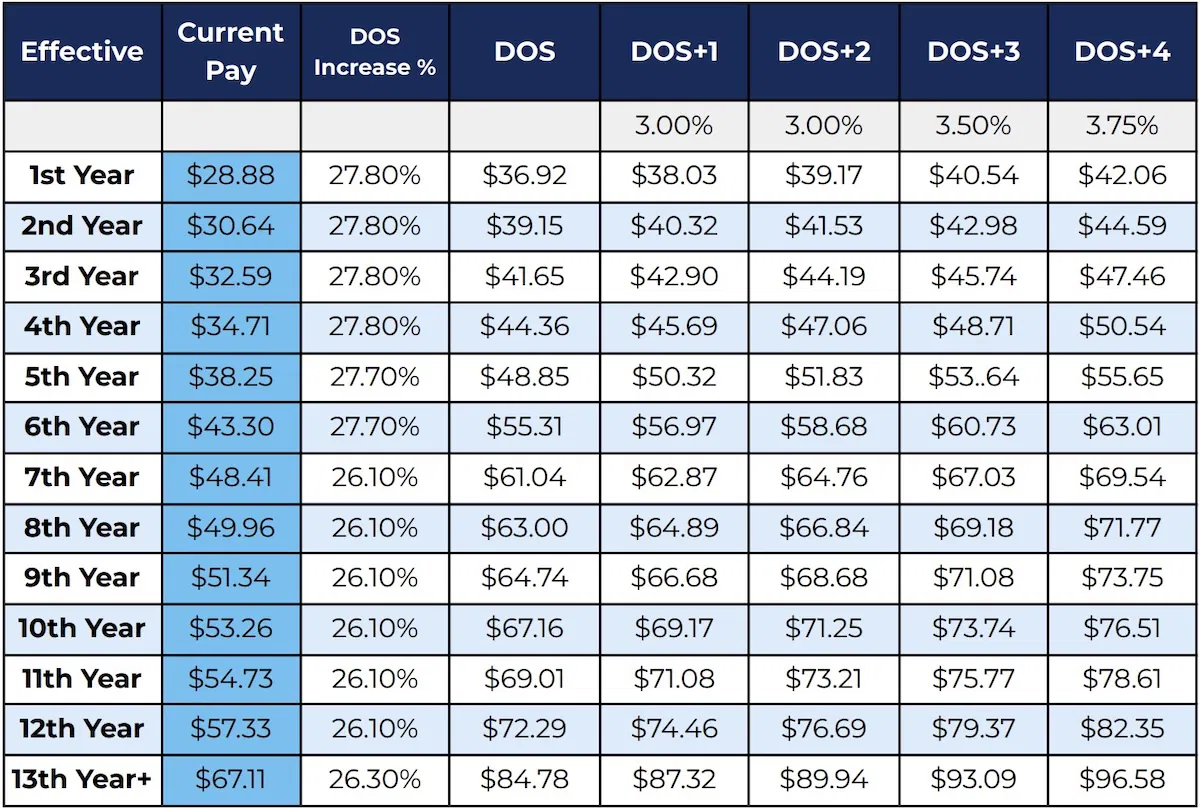
- The value of their wages had eroded about 25%.
- The new contract provided average increases of less than 27%.
Now they’re demanding increased pay even before a new contract gets negotiated, according to a message to flight attendants from their AFA-CWA union.
What the union understood was that they were losing negotiating leverage in the Trump administration, which seemed less likely to allow an airline strike (and Biden administration appointees had not allowed airline unions to strike, even), and that to get additional concessions from United the airline would want things in return.
The union wants United to start paying flight attendants more right away – even before they reach a new contract. Ironically, this was a tactic American Airlines tried while negotiating its current contract, as a way to forestall momentum towards a strike.
However, as American also learned when negoitating with its mechanics seven years ago, increasing pay without a contract is a recipe for the union not to ever agree on a contract, and it removes the incentive for employees to actually vote for a new contract.
Here’s the list of demands the union came up with that they’re trying to negotiate for:
Pay for waiting on the ground between flights
Less tiring red-eye flying
No more layover notifications
More rest on longer flights
Contract compliance guarantees
Improvements for reserve flight attendants
Better layover hotels
Improvements to health care and retirement benefits
United said they want concessions from the original tentative agreement if they’re going to add things flight attendants want in a new round. They can’t just ‘pay more’. They can negotiate a new deal that allocates the cost of the contract into different buckets that better meet what the flight attendant group wants. The union called this a “non-starter and will not form the basis for discussions moving forward.”
One of the major things United says it wants is a ‘preferential bidding system’ that changes how flight attendants pick trips. Most flight attendants don’t want it, though it’s common at other airlines. I read this as a threat, that the union can then ‘beat back’ and claim victory over, so that United ultimately doesn’t need to pay much more for cabin crew to feel like they’re getting a win.
The contract is a bundle, that includes pay and work rules. The two pieces are inseparable. And the more onerous the work rules, the more costly the contract. AFA-CWA complains that United sees a tradeoff between higher pay and more generous non-pay elements of the contract but of course that is how it works.
We will need to work together if we are going to beat back a greedy corporation that wants to take money out of our pockets to pay for quality of life and wage improvements that we have earned.
United can pay in ‘quality of life improvements’ and they can pay in ‘wage improvements’ and the contract is a balancing – the union has to decide how they want to allocate that money. In the first round of negotiations, the union read their members wrong and the contract they negotiated with United got voted down overwhelmingly.
Ultimately, if the union believes it already got all the economic value there was to get in the first deal, they’ll need to shift some things around to be able to tell their members they’ve gotten more even without getting materially more. Time passing alone will mean starting in a new year, and a higher wage. So pushing out the start date of the contract will let them report back a bigger percentage increase.
Or they might fold that bigger increase into flat payments for long layovers, to report that they’ve now got ground pay. Meanwhile, ‘contract compliance guarantees’ are in some sense easy. Everyone says they’re going to abide by the contract they’re signing, and there are processes in place to address potential breaches. Just add more of those.
Hopefully this process doesn’t drag on too long because flight attendants at United are now earning far less than their counterparts at American and especially at non-union Delta, where profit-sharing payments continue to put them in an advantaged position.
More From View from the Wing
Link da fonte